
Stop Overpaying for Your IR Lamps
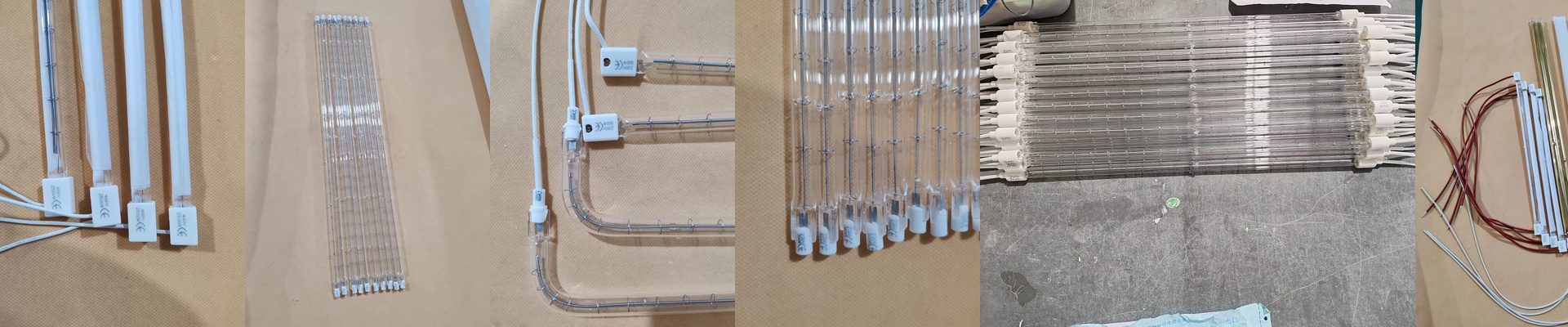
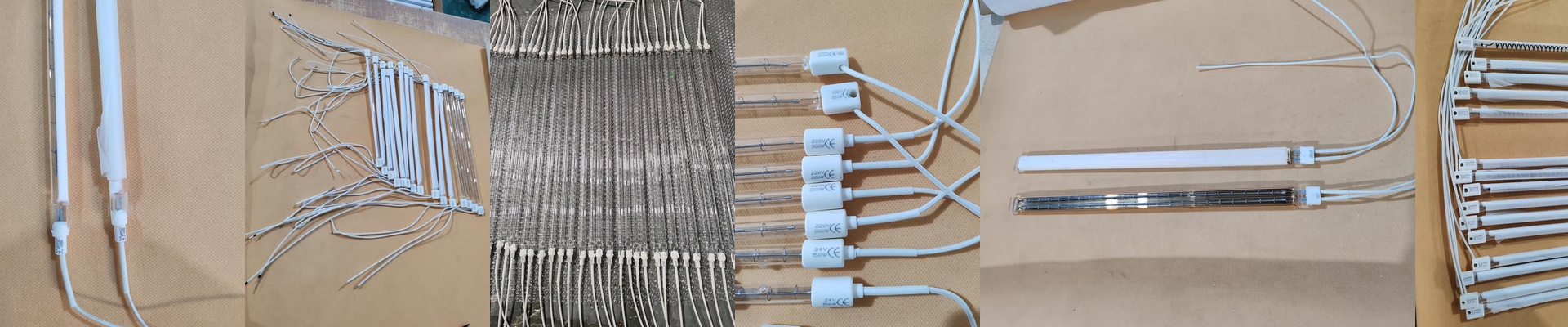
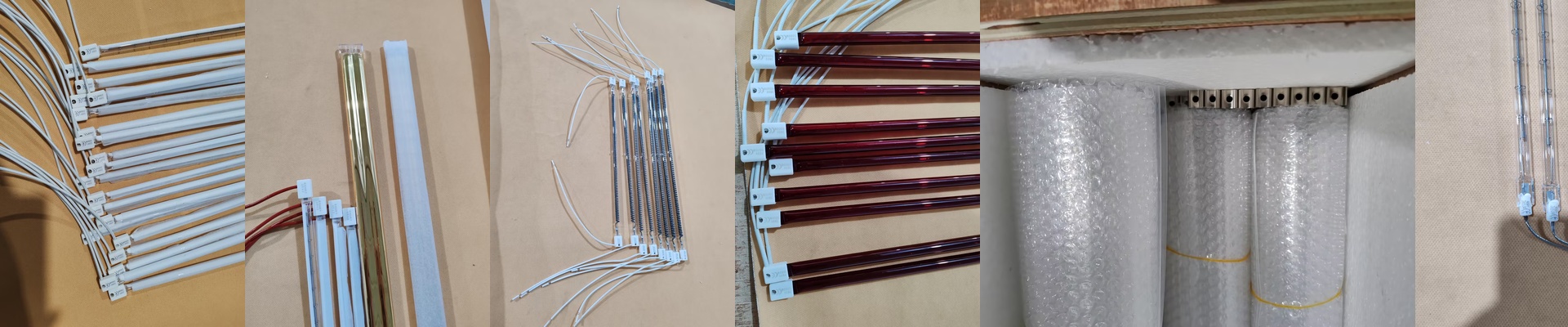
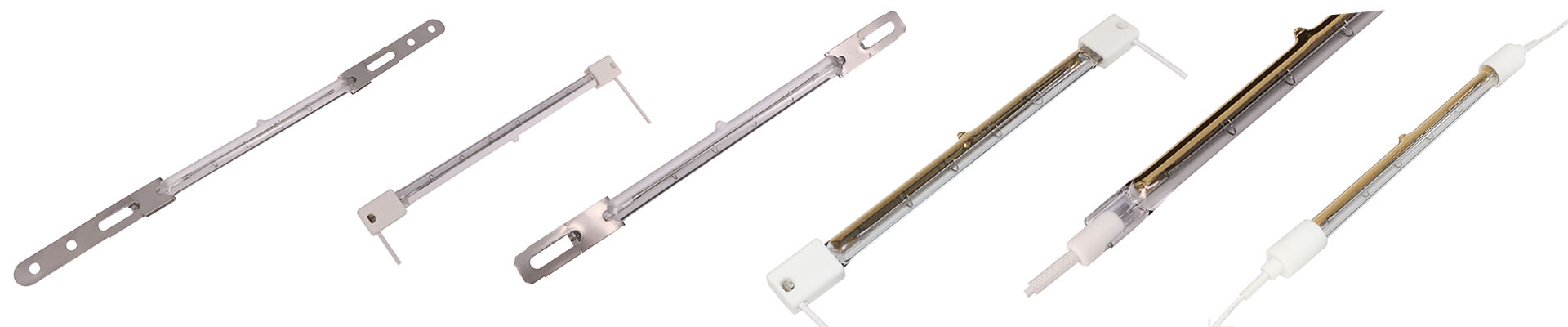
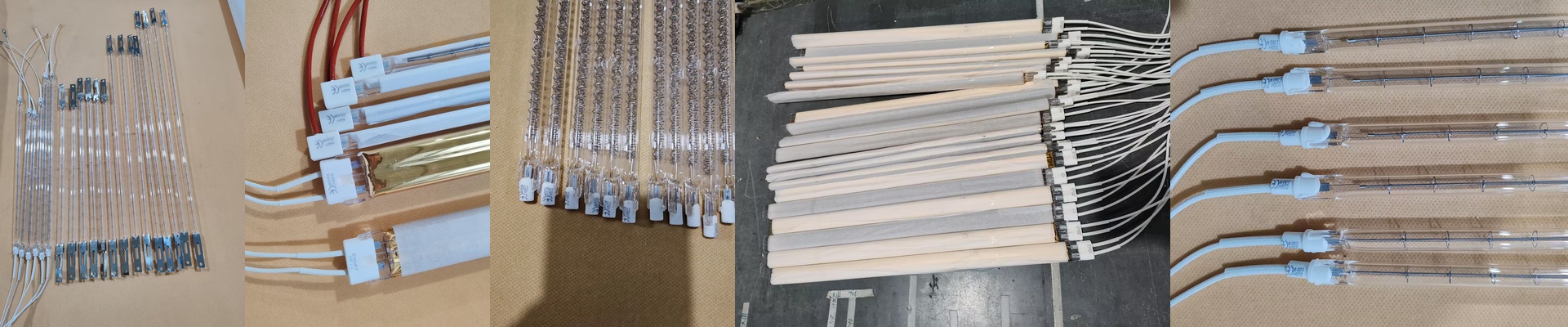
Let’s be honest: most plants are paying way too much for name-brand infrared lamps. I see it all the time. Engineers are terrified to switch from the OEM because they’re worried a domestic replacement will pop in a week or leave the plastic unevenly heated. But here’s the thing—IR heating is just physics. It’s not a secret recipe. If the wattage, voltage, and spectral output are the same, your machine couldn’t tell the difference if it tried. It doesn’t care about the logo on the box; it just wants the heat. The nitty-gritty on the heat When you’re picking a replacement, it all comes down to power density. If you’re running high-speed plastic processing, you need to dump a massive amount of energy into that preform in a matter of seconds. If you’ve got a 400V system, you’re dealing with some serious electrical pressure to push those watts across the lamp. We build ours to fit those exact footprints. Why? Because if the voltage is even slightly off, you’re either going to end up with under-heated plastic or a blown filament. Not a great way to start a shift. What’s actually inside? We use quartz glass and halogen gas fills. It sounds technical, but all it really does is stop the filament from evaporating too fast. It keeps the lamp alive even when it’s cycling on and off all day. As for the connections, we stick to the basics like R7s or Sk15. No fancy proprietary nonsense here. They just plug in. You can swap them out quickly without having to call in a specialist to solder new leads. Plus, some of our lamps have special coatings. These shift the wavelength so the heat actually sinks into the plastic instead of just scorching the surface. A quick reality check Look, no lamp is a magic fix. High-density shortwave lamps give you that instant heat, but they put a lot of stress on your power supply and make the inside of the oven feel like a sauna. This is where most people mess up. If your cooling fans are clogged with dust or just plain broken, even the most expensive OEM lamp on the planet will overheat and die. Check your airflow first. Then, look at the specs. Everything else is just marketing.