Why Controlled Heat is the Secret Sauce for Car Interiors
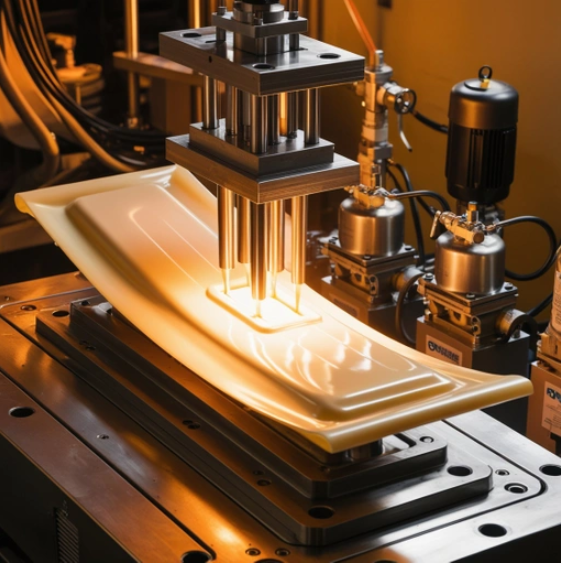
We build heating systems for one simple reason: to give you heat you can trust, time after time. When it comes to automotive interiors—think dashboards, trim panels—that means using infrared annealing. The goal is straightforward: ease out the internal stresses in the plastic without warping the part. Because when that dashboard or trim panel rolls off the line, it needs to hold its shape, no matter how harsh the sun gets or how wild the temperature swings. We don’t just throw heat at the problem. We hit a precise thermal profile, so the parts meet the industry’s tough standards.
The Nitty-Gritty: Power, Voltage, and Geometry
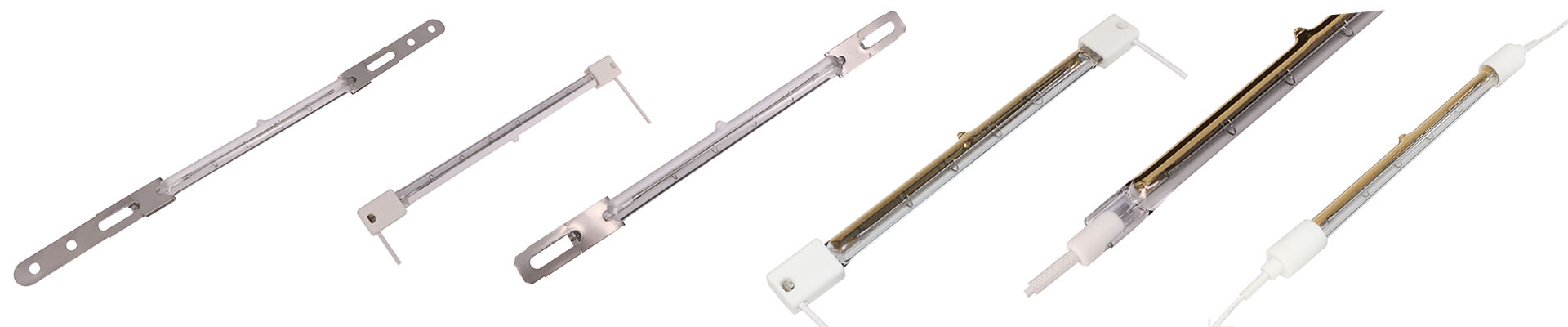
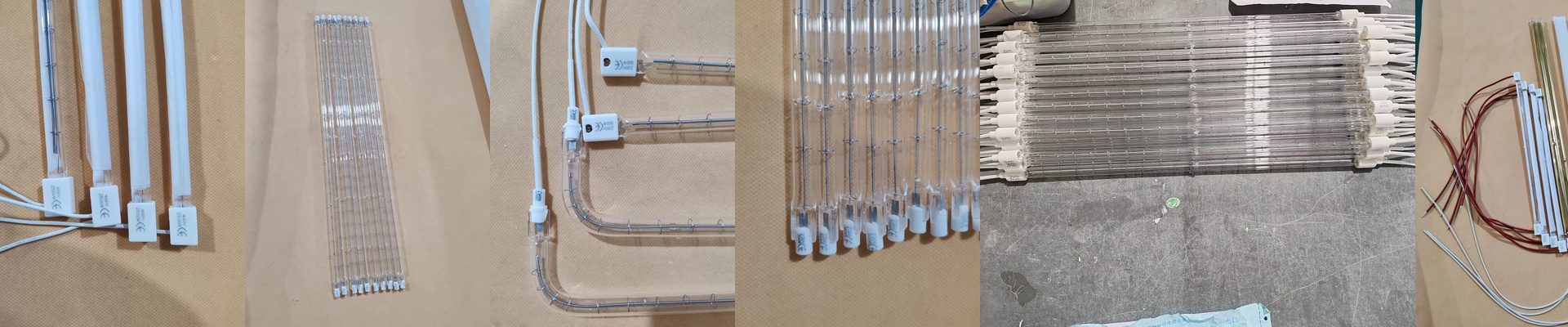
Let’s talk about the lamps. These aren’t your average light bulbs—they’re industrial-grade tools. We spec them out with a 400V supply to run high-wattage tubes, often hitting 2500W, all day long without straining the wiring. Going with high voltage means lower current for the same power. That’s a good thing. It lets you use smaller wiring and cuts down on energy lost to resistance. We choose a 300mm tube length for a reason. It keeps the heat concentrated in a small zone, so you can anneal parts quickly without heating up the whole machine. That concentration gives you serious heat density, which speeds up the cycle. But there’s a trade-off. High heat density needs solid cooling. The enclosure has to keep the ambient temperature in check so the lamp, socket, and nearby electronics stay within their safe limits.
The Details That Make the Difference: Halogen, Quartz, and the Right Fit
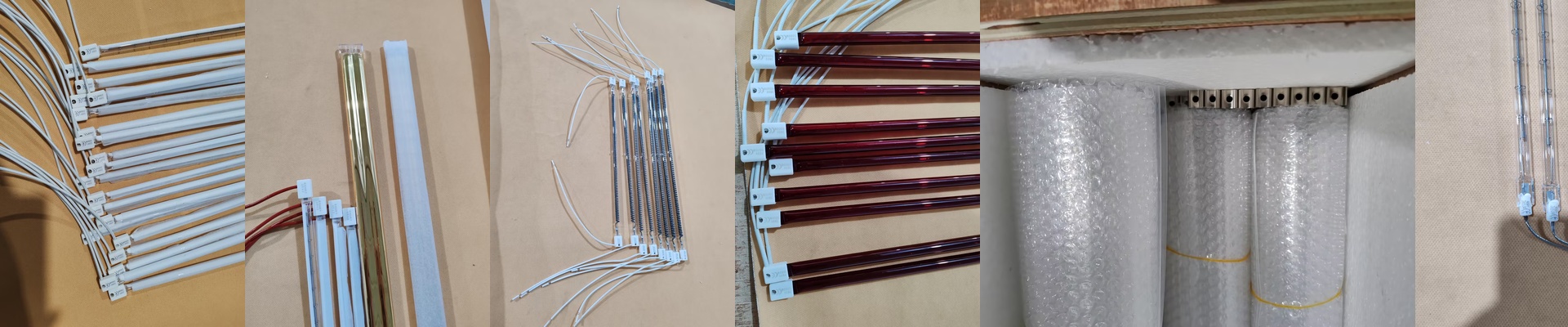
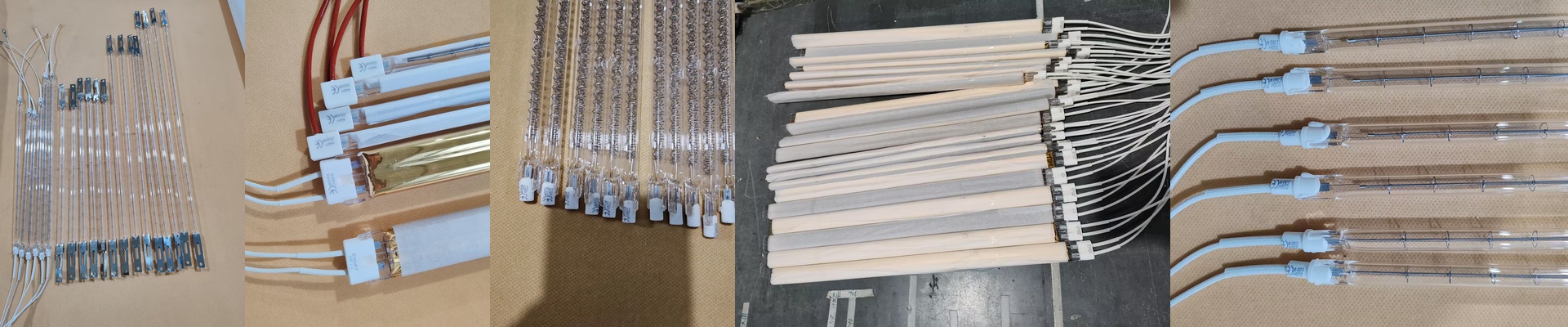
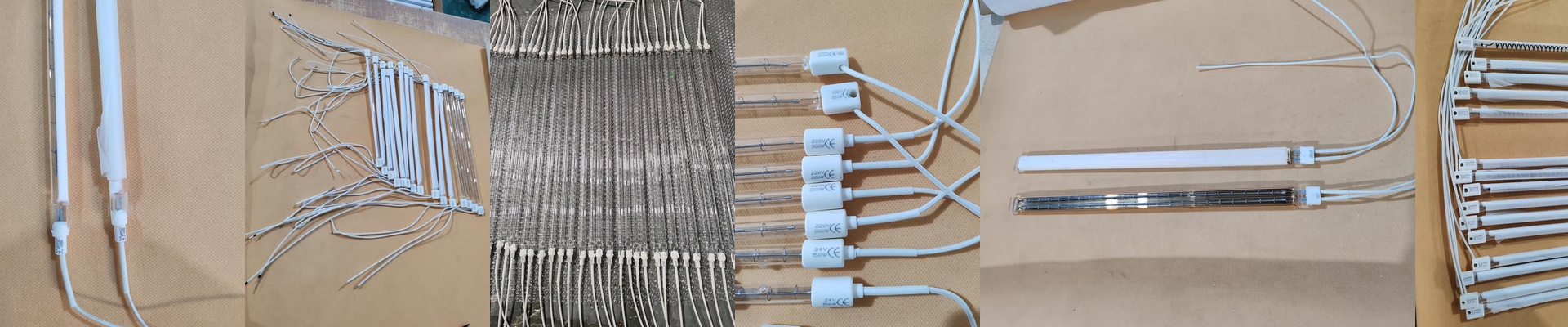
Inside the lamp, we use halogen elements housed in a quartz envelope. Quartz is tough—it handles rapid heating and cooling like a champ and lets shortwave infrared pass through with no problem. The halogen cycle keeps the filament stable, so the heat output stays consistent over the lamp’s entire life. That coated surface isn’t just for looks. It helps control the heat spectrum and prevents hot spots, giving you a smooth, even heat pattern across the part. And those connectors—R7s and SK15—are a big deal. They’re built for high heat and lock the lamp in place. That means vibration from the shop floor won’t cause arcing or a shaky connection. In a high-speed production line, that kind of reliability keeps things running smoothly and prevents unexpected downtime.
From Molded Part to Finished Component
For plastic annealing, this setup gives you a repeatable thermal profile, every single time. The shortwave infrared penetrates fast, heating the part evenly so the molecules relax without the surface ever overheating. The output stays steady, tracking exactly what you set, which makes it easy to meet quality checks. Installation is a breeze. The compact tube fits into tight spots, and the standard connector makes replacement during maintenance a simple swap. Just run it at the right voltage, pair it with proper cooling, and the system holds the annealing curve. Your parts will hit the mark for dimensional stability and stand the test of time.