Infrared Halogen Lamps for Industrial Drying: Power, Design, and Application
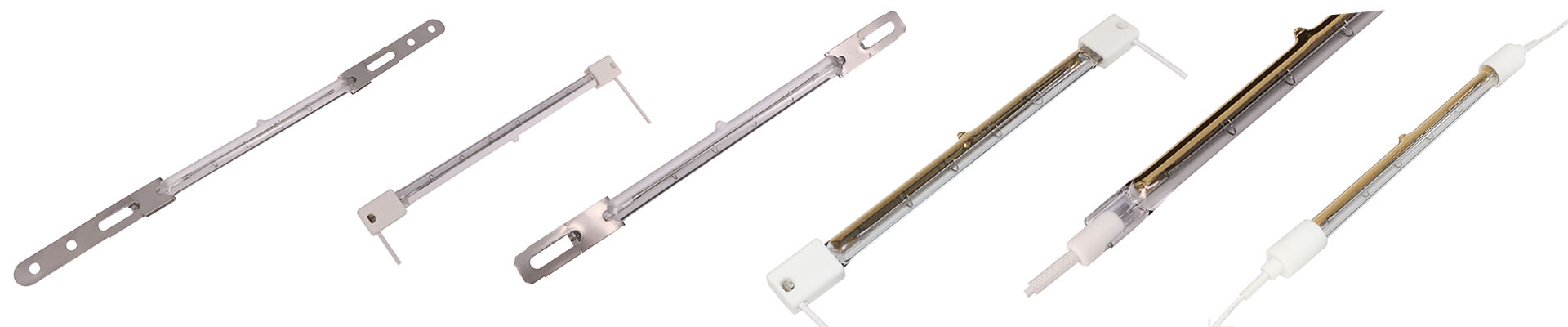
When you need industrial drying that’s fast and precise, infrared halogen lamps are the real deal. They throw down serious, focused heat—exactly where you need it—without the bulk of old-school convection systems. It’s clean, direct, and gets the job done.
Power, Voltage, and Dimensions—Straight to the Point
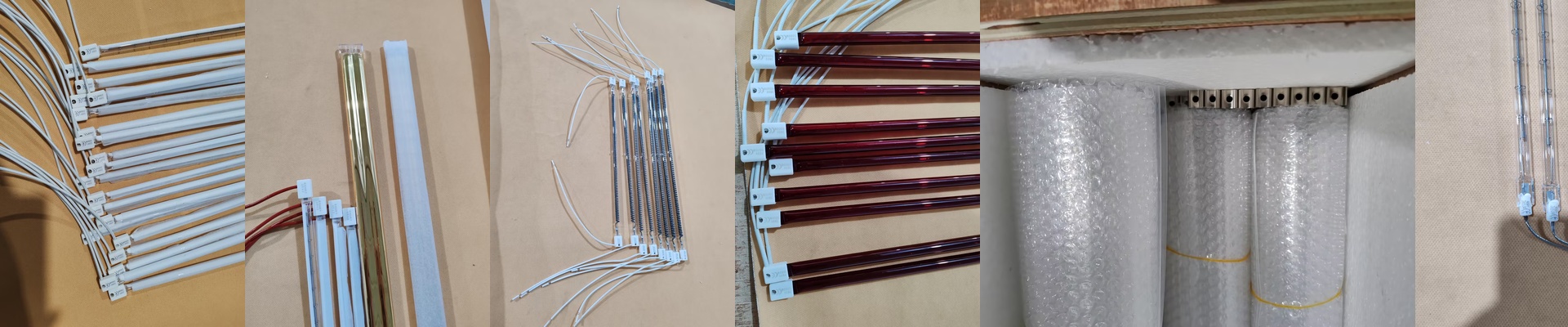
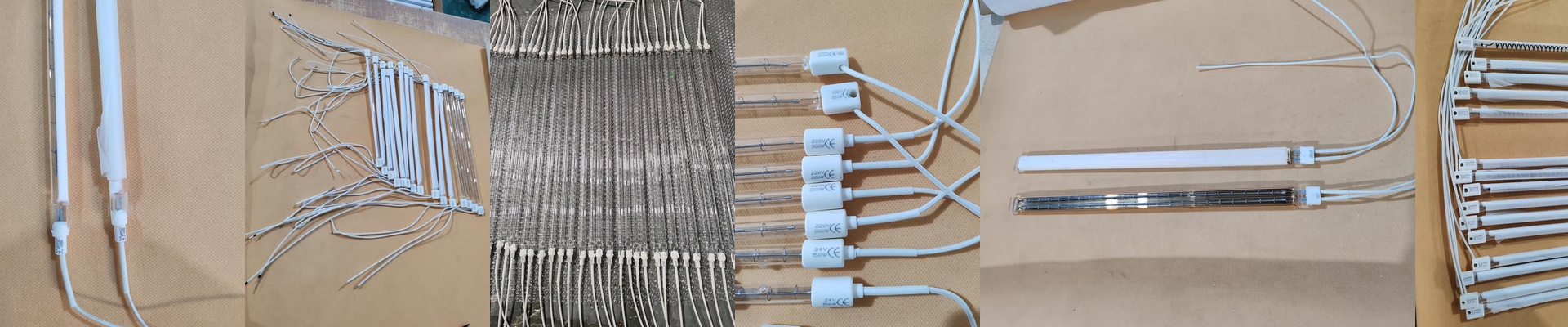
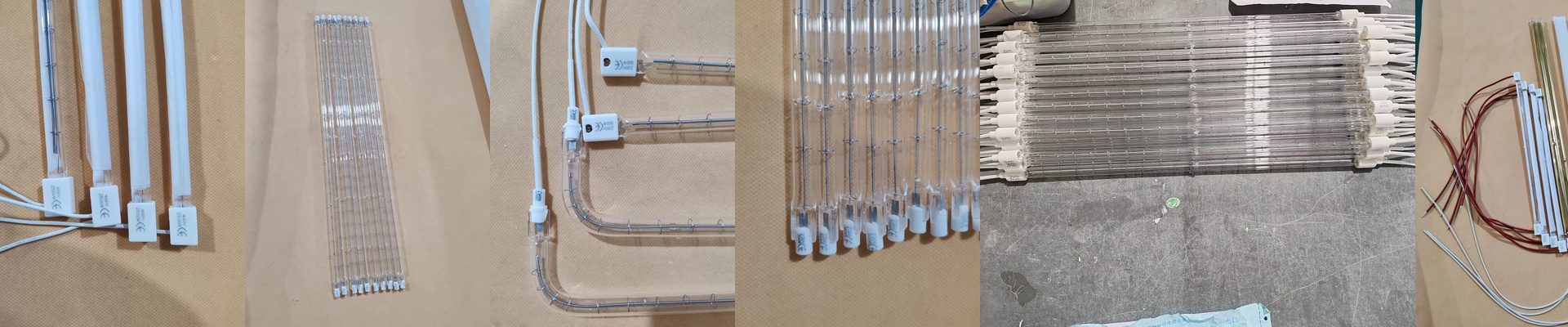
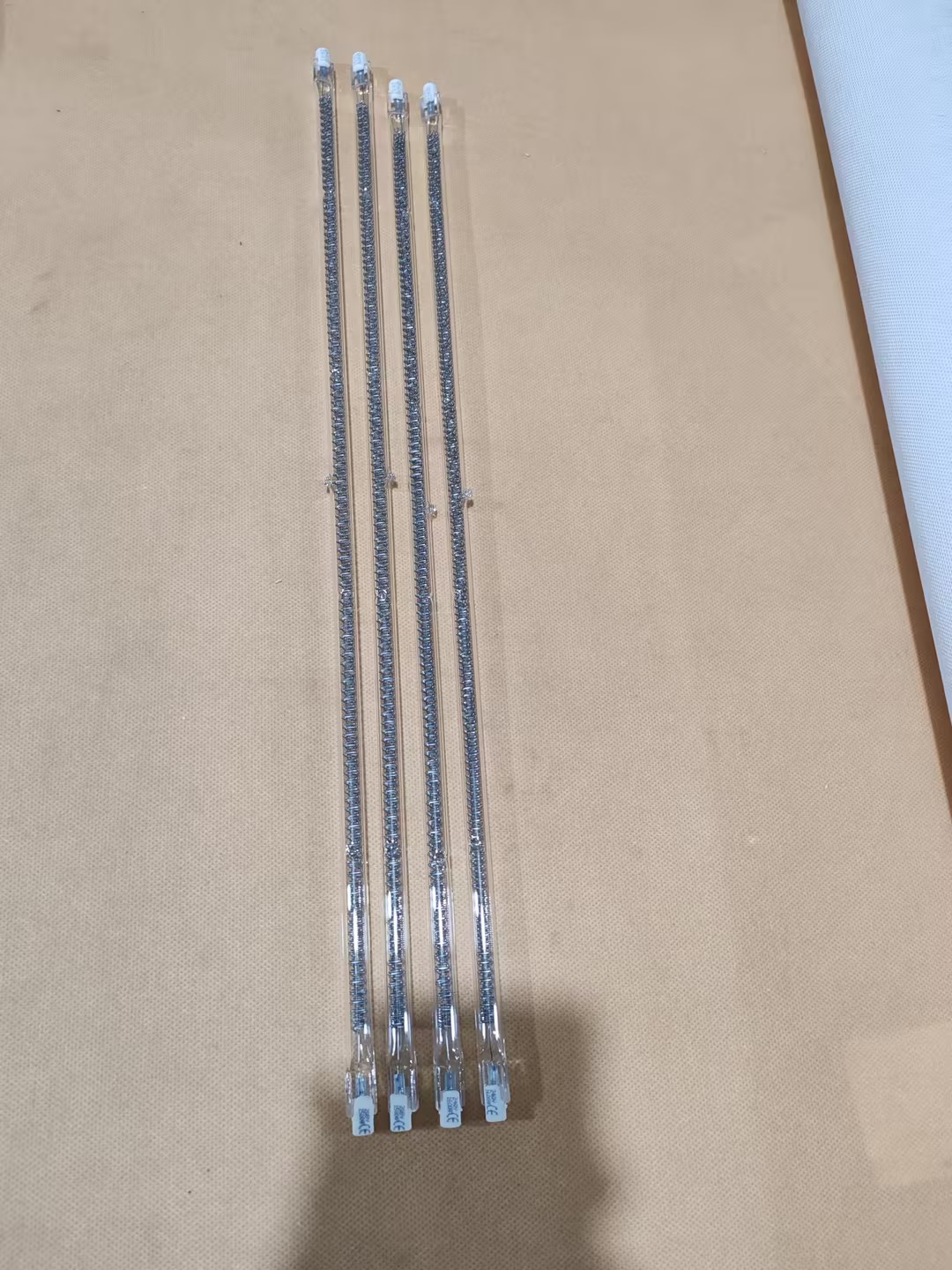
Here’s the heart of it: we build these around radiant heat, because it just works. A typical unit runs on 400V and hits 2500W, packing a ton of power into a slim 300mm quartz tube. That compact size means you concentrate the heat right where it matters—drying small parts or narrow webs without turning the whole machine into a sauna. And the 400V setup? It keeps the current lower than a 230V option, which cuts down on line losses and makes the wiring in your control panel way less stressful.
Material and Design: Keeping It Simple, Keeping It Tough
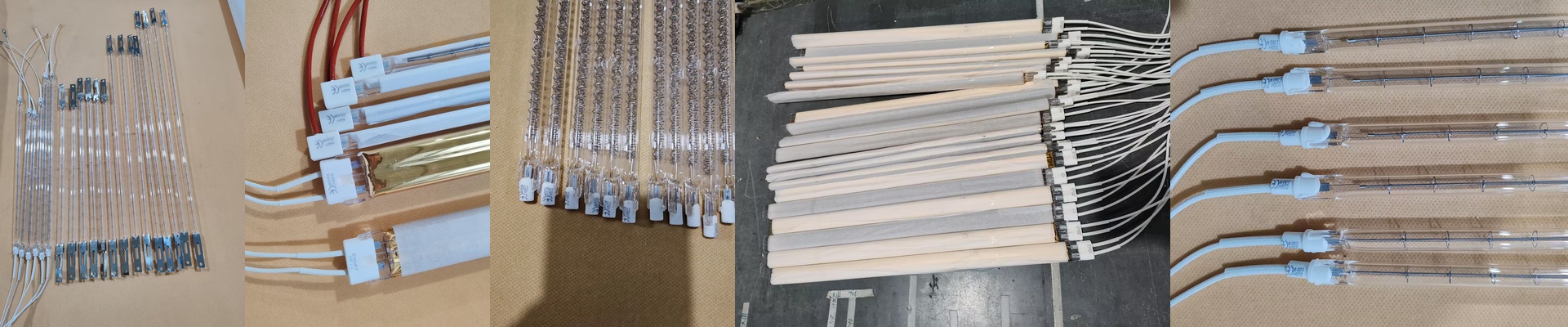
Inside, the halogen cycle keeps the filament stable, so the output stays consistent over the lamp’s life. No fading. No surprises. The quartz envelope is key, too—it sends short-wave infrared straight into the target material, so you’re heating the part, not the air around it. We add a coating to cut glare and fine-tune the spectral output, giving you better control over the process. And when it comes to hooking up, the R7s connector is a no-fuss, two-ended ceramic interface. It locks the lamp in place and handles the heat without softening or wimping out. So when a lamp does eventually burn out, swapping it in feels like a quick, reliable reset.
Application and Benefits: Speed Where You Need It
On the drying line, these lamps shine because they deliver rapid, localized heating. You can crank the power for a quick solvent flash-off, then dial it back for gentle curing—without swapping out hardware. Short-wave IR, a small footprint, and 400V operation make integration straightforward and keep maintenance low. But there’s a trade-off: that 2500W density means serious heat. So plan for proper cooling and thermal shielding to protect nearby components. Give yourself enough clearance and use reflectors to keep the heat focused exactly where you want it.