Tungsten Halogen Infrared Lamps: The Real Deal for Industrial Heat
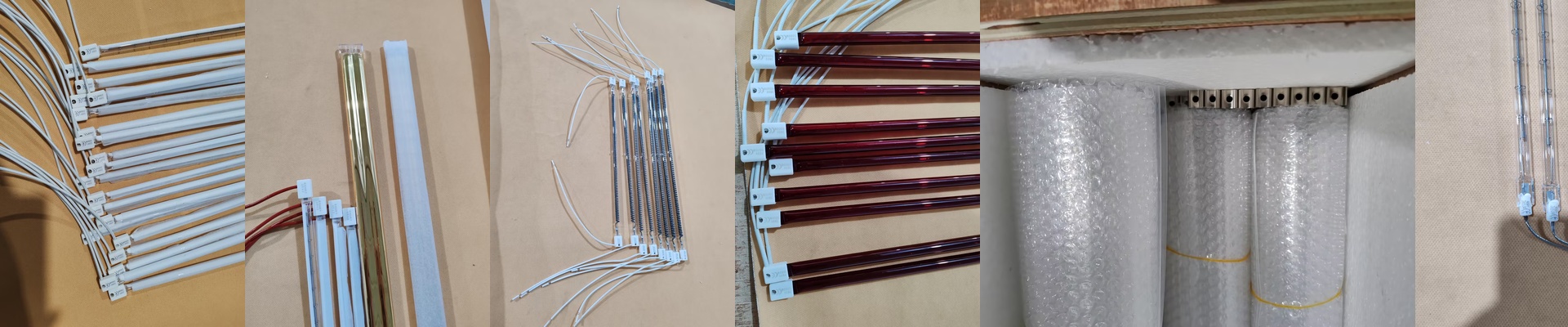
We built this tungsten halogen infrared lamp for engineers who want serious, controllable heat—without taking up a ton of space. This isn’t about gently warming a room. It’s about delivering direct, focused radiant energy, built for fast, pinpoint heating right where you need it on the shop floor.
Power, Voltage, and Size—Straight to the Point
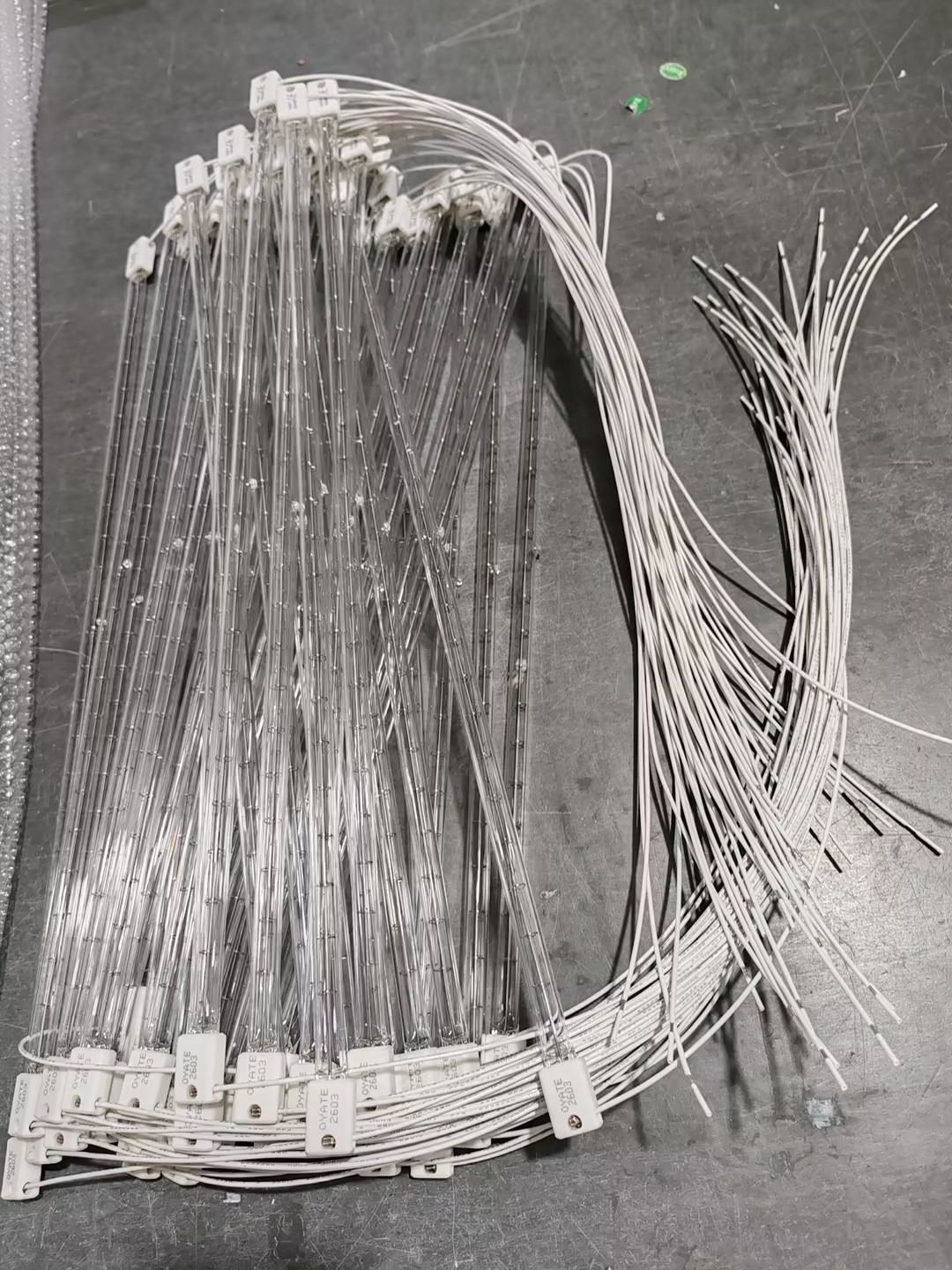
Here’s the setup: a 400V, 2500W lamp packed into a 300mm tube. The point is simple: pack a lot of heat into a small footprint. Running at 400V keeps the current lower than a 230V design for the same power. That means less loss in the wiring, and you can get away with thinner cables. The 300mm length gives you a predictable heat pattern, but let’s be honest—the wattage density is high. So plan your machine cooling beforehand. If the enclosure isn’t ventilated, this lamp will make the whole area run hot.
What’s Inside—Why It Holds Up
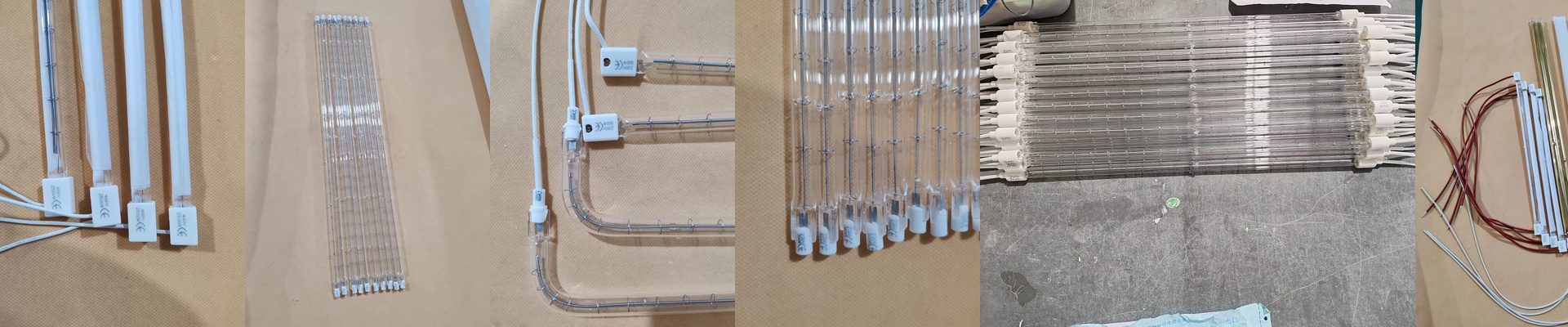
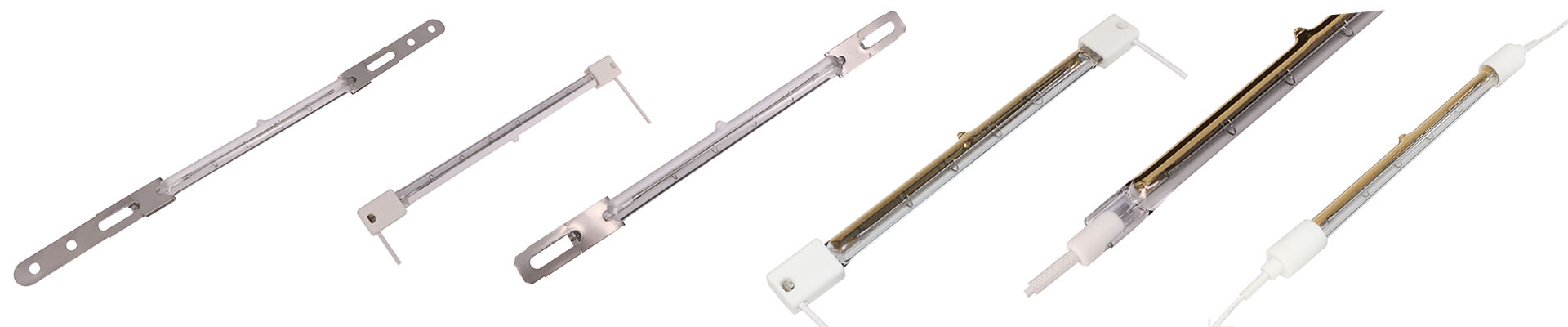
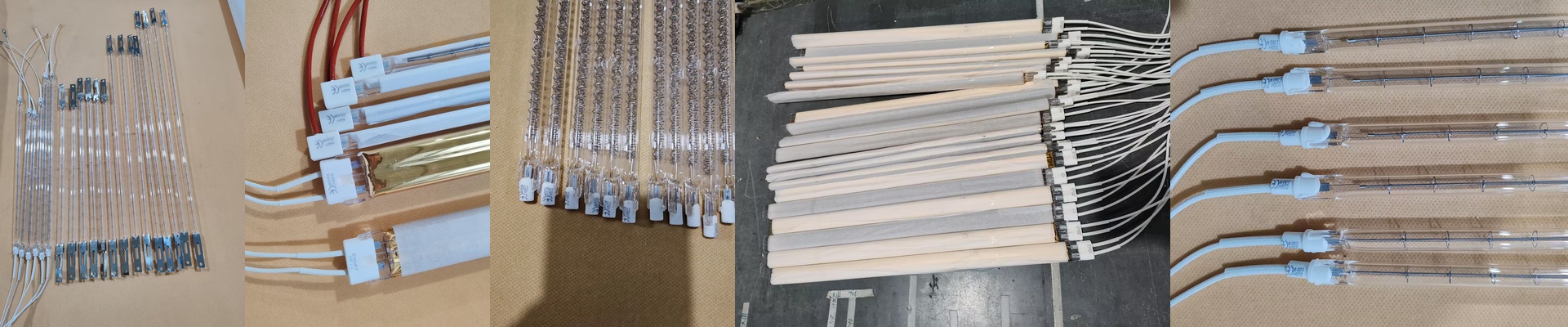
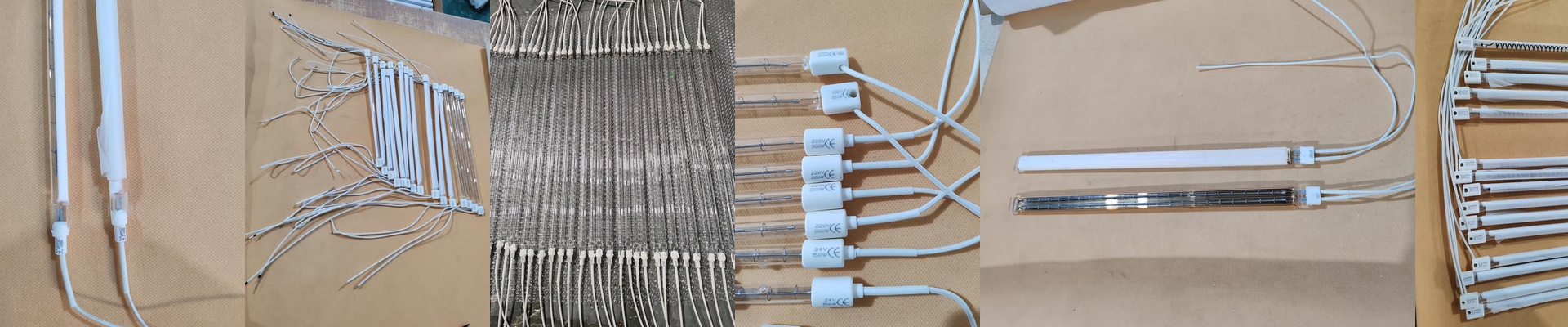
The halogen cycle keeps the tungsten filament stable and slows down that blackening you see in other lamps. That helps keep the output consistent over the life of the lamp. The quartz envelope handles the extreme filament temperature and responds quickly—no lag, just rapid thermal reaction. An infrared coating focuses the energy into the right band, so it absorbs better on materials like PET and plastics. And the R7s connector? It’s a straightforward two-contact design. Wires up fast, locks in clean, and holds steady through vibration and repeated maintenance. It’s the kind of industrial connection that just works, day after day.
Built for Speed—Where It Shines
This configuration is made for process heating where time is money. PET blowing. Thermoforming. Adhesive curing. Component drying. It warms up fast, holds output steady, and doesn’t hog space. It drops straight into existing fixtures, but don’t let the compact size fool you—the heat is intense. Treat it like the serious heating element it is. Keep clearances in mind. Protect against line spikes. And match the reflector geometry to the work area. Do that, and you’ve got a tool that keeps pace with the work, not fighting it.