
Introduction
Ever notice those glossy spots or dark streaks on a blow-molded part? It’s usually a sign the plastic heated unevenly at the molecular level. We built this infrared lamp to fix that. It gives you precise, localized control over the parison’s surface temperature. Think of it less as a heater, and more as a targeted tool. It smooths out those temperature differences, so the plastic crystallizes evenly and the surface looks clean—no more distracting marks.
The Inside Story
These lamps are compact, but they’re seriously powerful. Each unit hits 2500W at 400V, giving you the punch needed for fast, surface-level response. The tube is 300mm long—just enough to cover the critical zones on the parison where the finish is really decided. That power-to-length ratio means you can heat exactly where you need to, without over-scanning the whole part. You stay in control of the heat profile.
How It’s Built
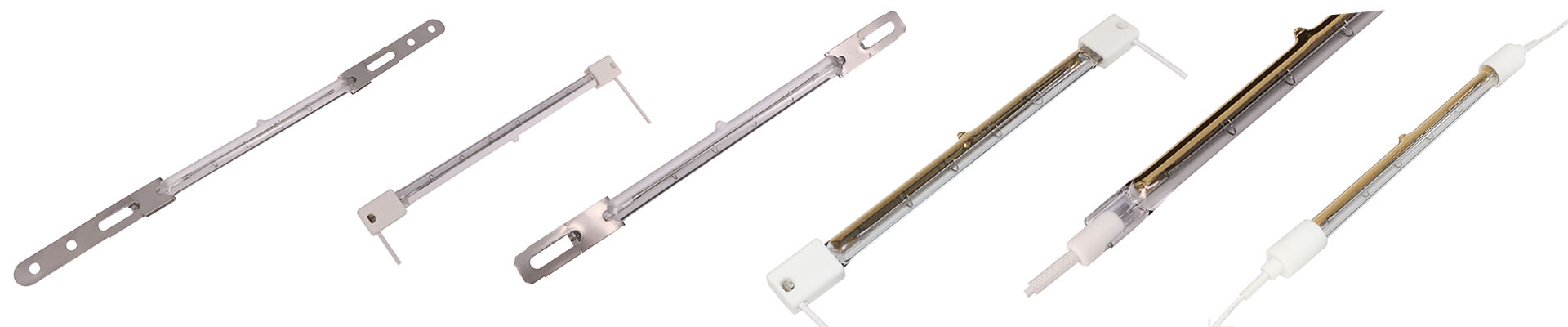
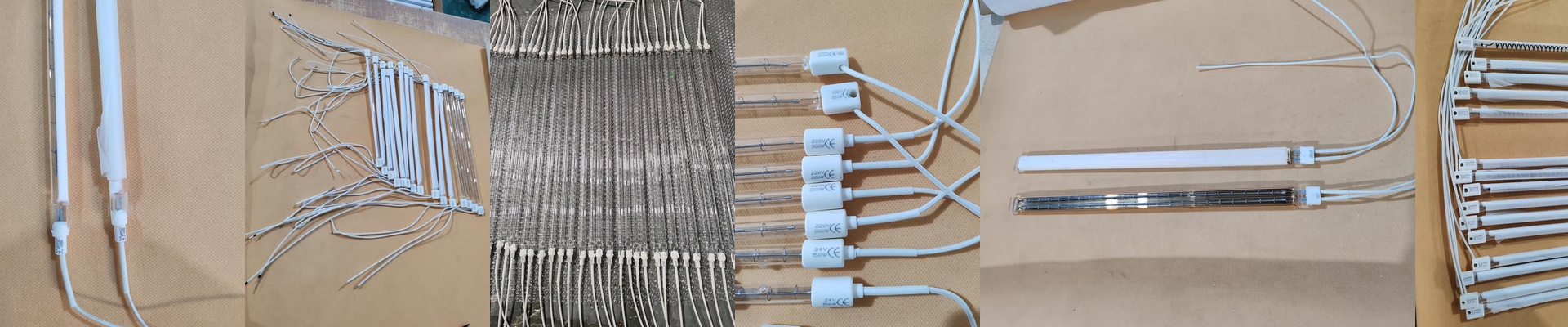
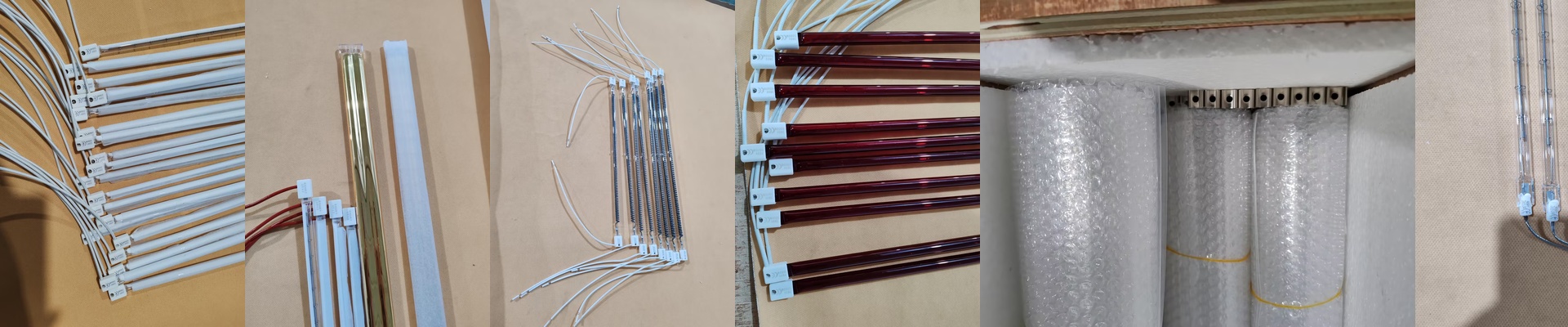
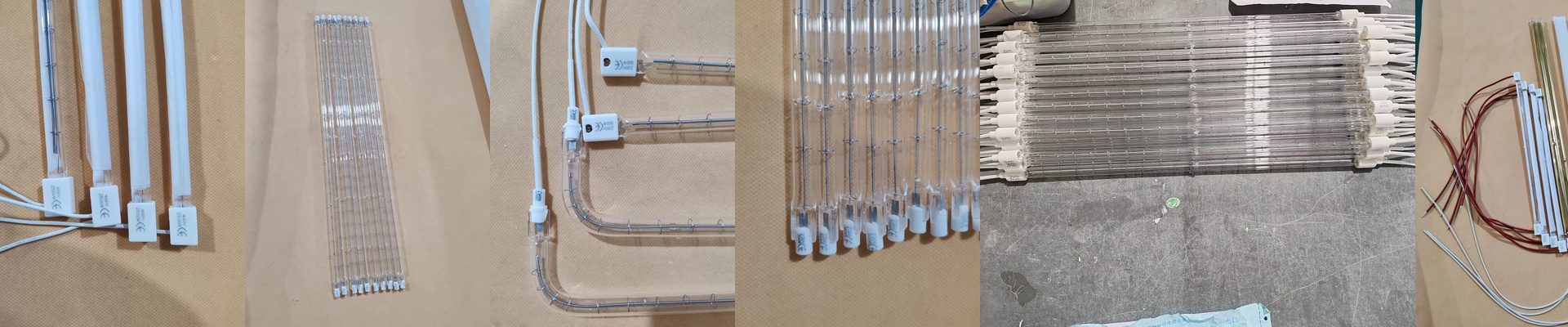
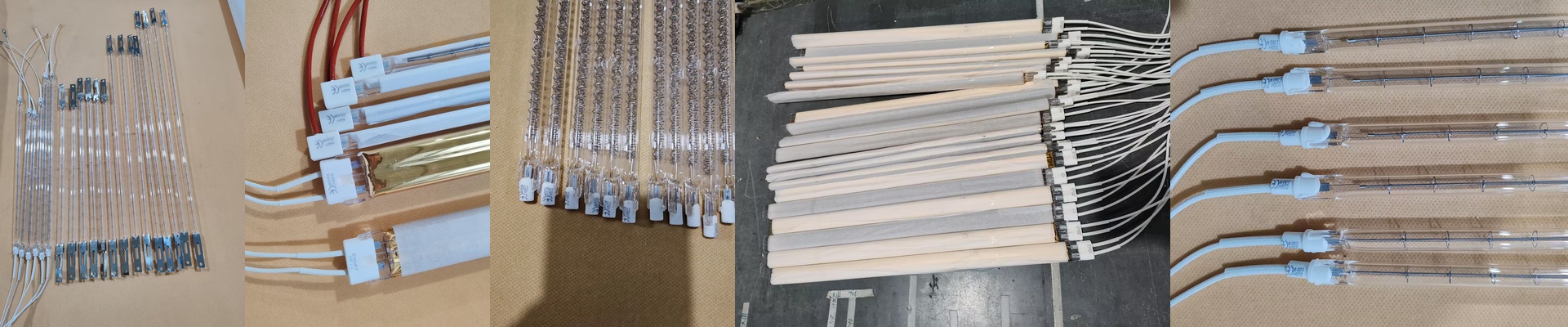
Inside, you’ve got a halogen-filled, quartz-based design that produces shortwave infrared. This spectrum gets right into the surface layer, heating the material from within and encouraging uniform molecular movement. The quartz envelope stands up to thermal shock, and a special reflective coating pushes more energy forward. Less waste heat means nearby components stay protected. For the connection, we use a standard R7s two-terminal connector. It handles the high current draw and stays solid even when the machine is running and vibrating.
What It Feels Like on the Floor
On the shop floor, this setup goes straight after the real culprit behind shiny spots and dark marks: temperature differences. A controlled, high-density infrared pulse evens out the surface temperature right before the parison hits the mold. The payoff? A more consistent finish and fewer rejects. The 400V, 2500W output means fast response—but it also means your control system and cooling need to be ready for the thermal load. For engineers, it’s a straightforward drop-in upgrade that tightens process control and cuts down on scrap.