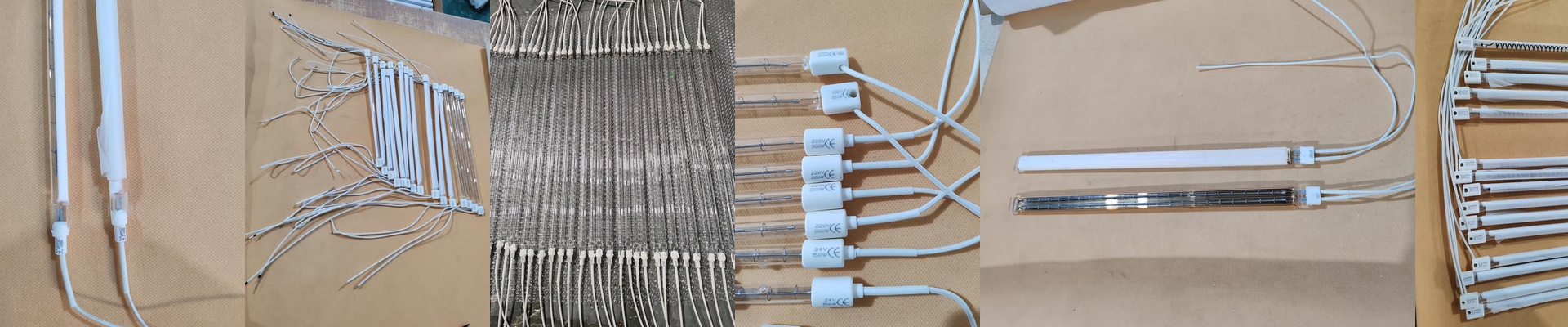
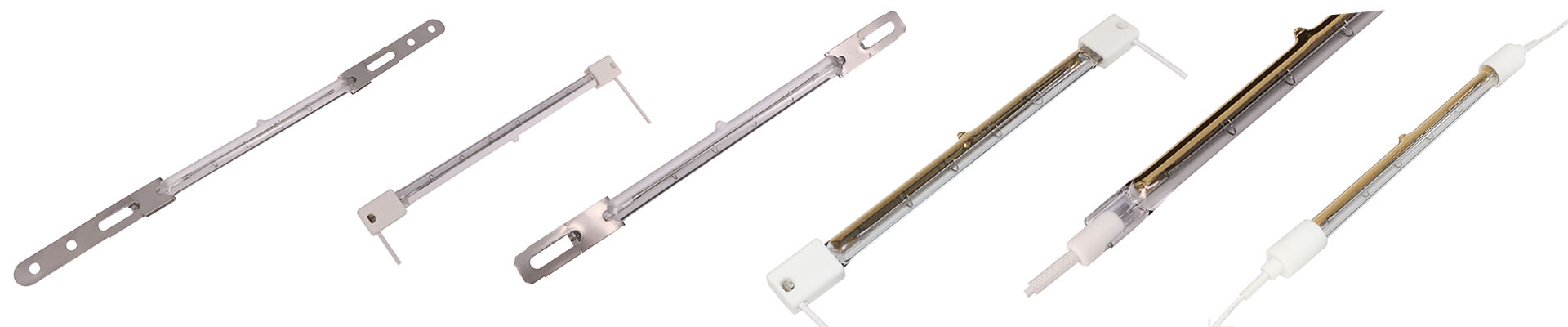
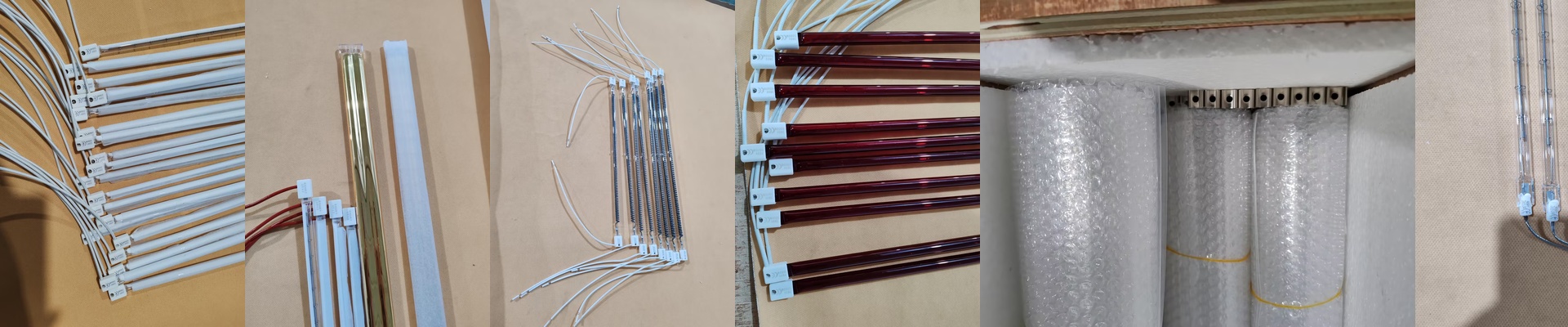
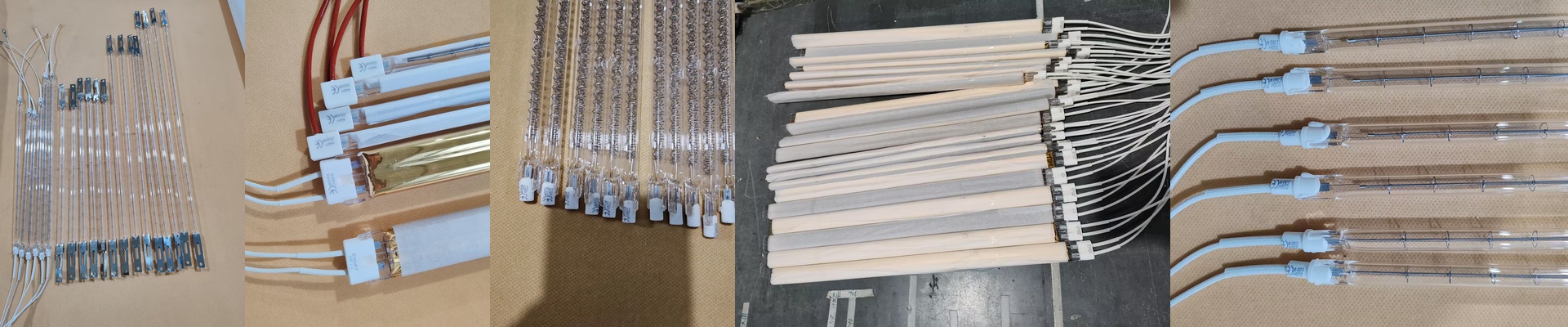
Can you really slash your power bill by 20% just by swapping some heaters?
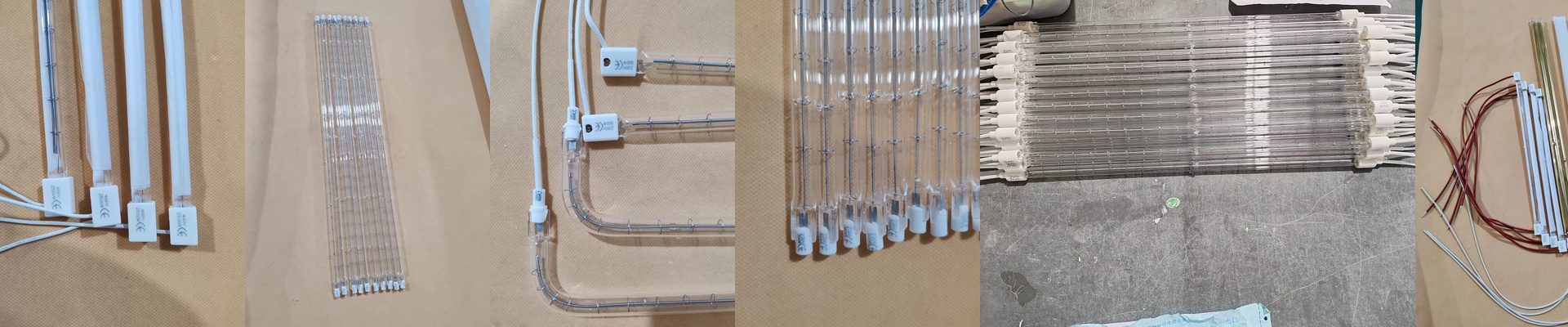
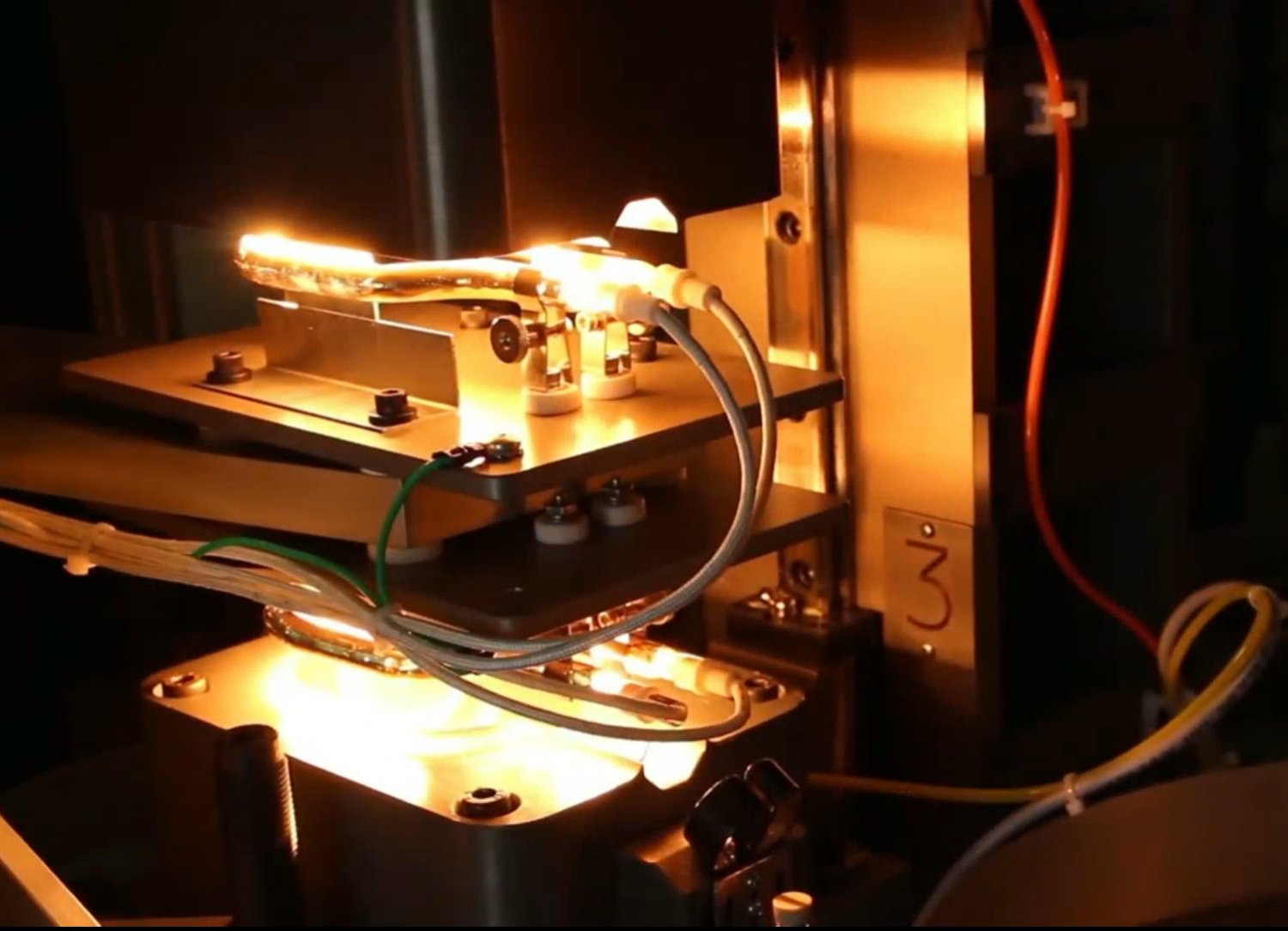
If you’re running an old plastic processing tunnel, you probably know the feeling. You walk past the line and can feel the heat radiating off the machine and into the room. It’s uncomfortable for the crew, and it’s a total waste of money. Most of those legacy lines are just bleeding energy. The insulation is shot, and the old heating elements are basically trying to heat the entire factory instead of the actual product. That’s where ceramic infrared (IR) emitters come in. Switching to these can easily knock 20% or more off your electricity bill. Here is why it actually works. Most old systems rely on convection—basically heating up the air and hoping the plastic gets warm too. It’s slow and inefficient. Ceramic IR is different. It sends energy straight into the plastic. We tune these elements to a specific wavelength that the polymer just drinks up. Instead of fighting the air inside the tunnel, you’re putting the heat exactly where it needs to be. Plus, the response time is night and day. You go from a sluggish, slow-ramp heat-up to a system that reacts almost instantly. The “catch” (and how to handle it) For the most part, these are drop-in replacements. If your brackets line up, you’re golden. But do me a favor: check your wattage and voltage before you hit the order button. And a word of caution—if you decide to crank up the heat density to push your production speed, keep an eye on your cooling zones. If the downstream cooling can’t keep up with the extra heat, your parts will warp. Not a great look. The money side of things This isn’t just about buying new hardware. Because you’re cutting down your kWh, these retrofits often qualify for green finance incentives. It’s basically getting paid to be more efficient. We usually track the ROI by looking at the raw difference in your power meter readings. In most plants we work with, the gear pays for itself in about 12 to 18 months. Wire them up, tweak your PID controllers, and just watch the next power bill. It’s a pretty great feeling.