Introduction
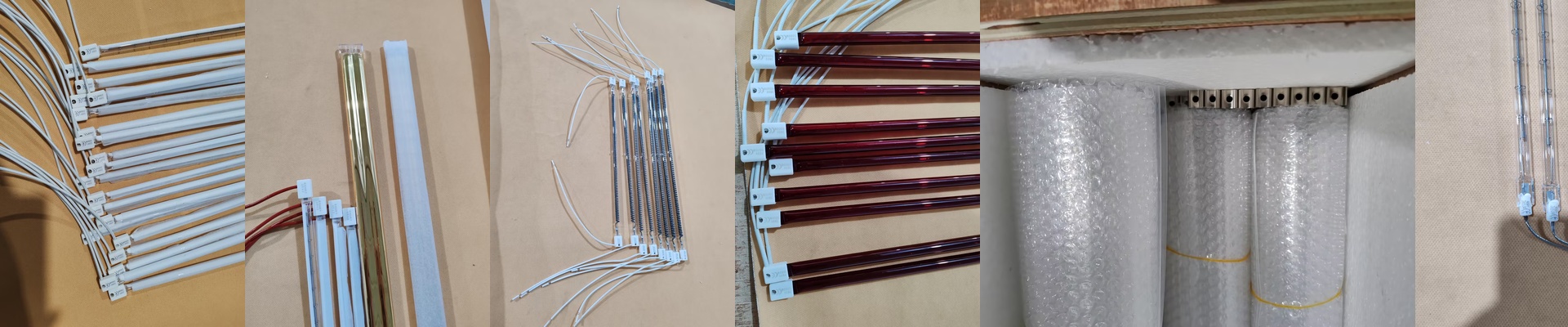
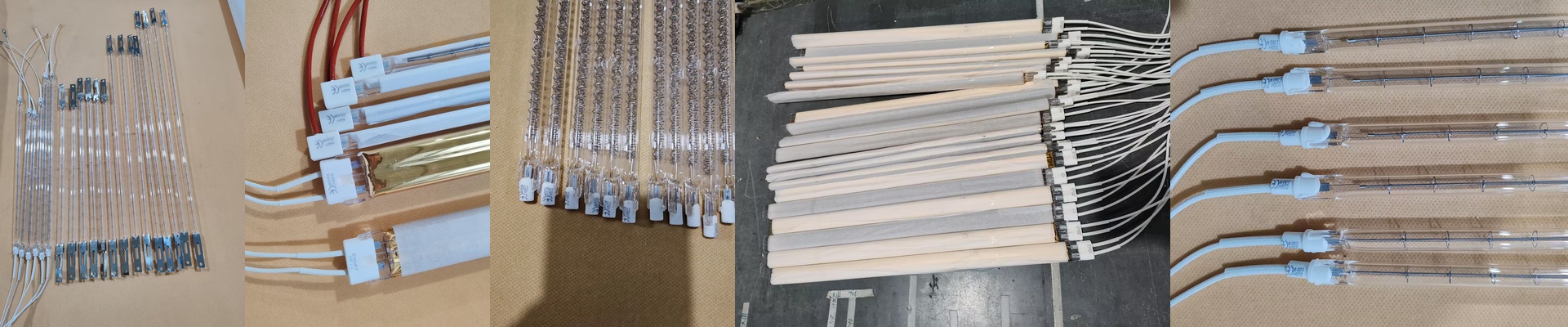
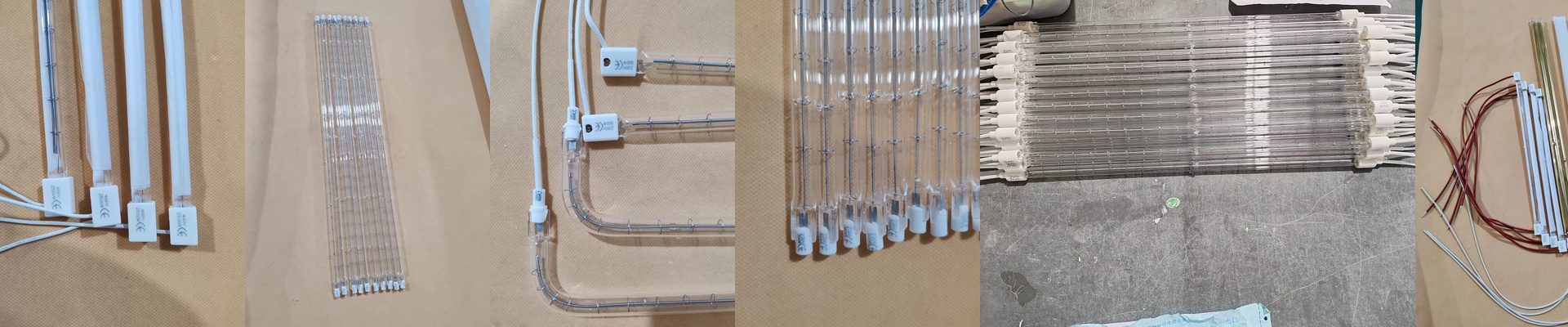
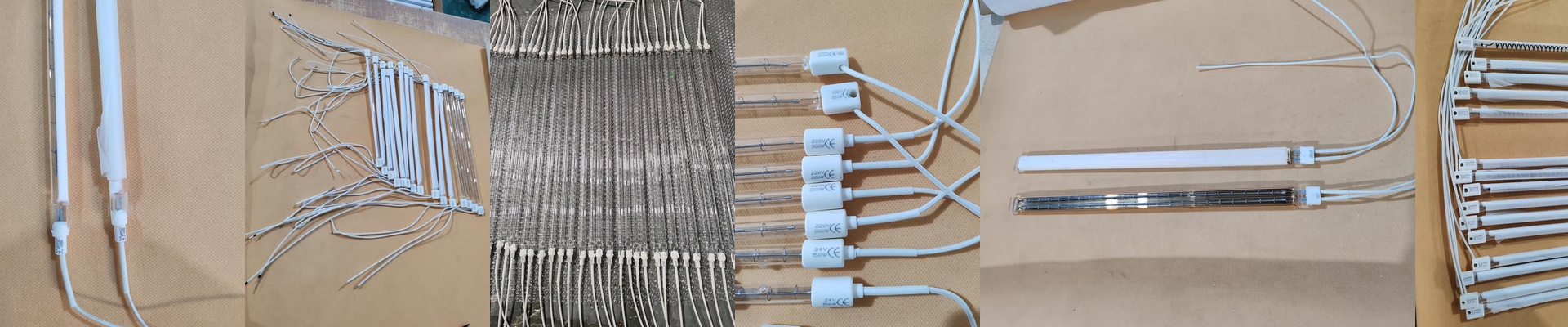
When we talk about spec’ing out a halogen lamp cover, we’re not just picking up a bulb off the shelf. We’re talking about a compact infrared heat source, built for those tight spots and demanding cycles. It’s all about focused radiant heat, not the kind that just warms the air around it. This is the stuff that gives you fast response and precise control, without turning your whole machine into a sauna.
Power, Voltage, and Size: The Real Deal
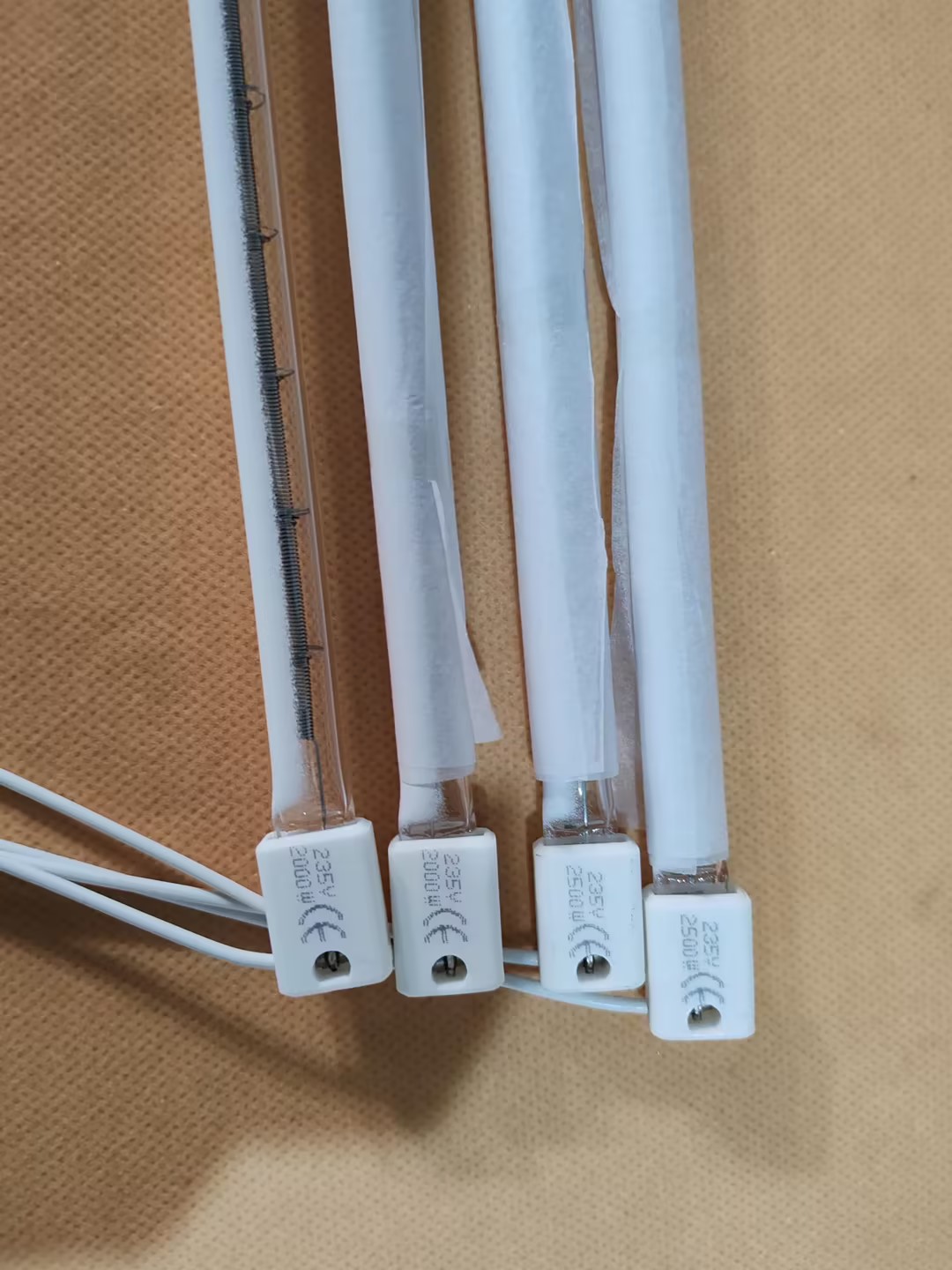
When it comes down to it, wattage, voltage, and length are what really define these covers. They’re the three variables that set the heat output and dictate the physical footprint. Take a 400V, 2500W setup, for example. It’s designed for high-voltage systems, which means it draws less current than its 230V counterpart. That keeps wiring losses down and makes the runs cleaner. But, and this is important, it also means the lamp needs a rock-solid 400V supply and the right insulation clearances. The 300mm length isn’t just a random number. It’s a sweet spot. It gives you enough surface to spread the heat load, but it’s still short enough to fit into those compact heating zones. When you match the length to the process, you get a consistent temperature profile without those pesky hot spots.
The Inside Story: Materials and Design
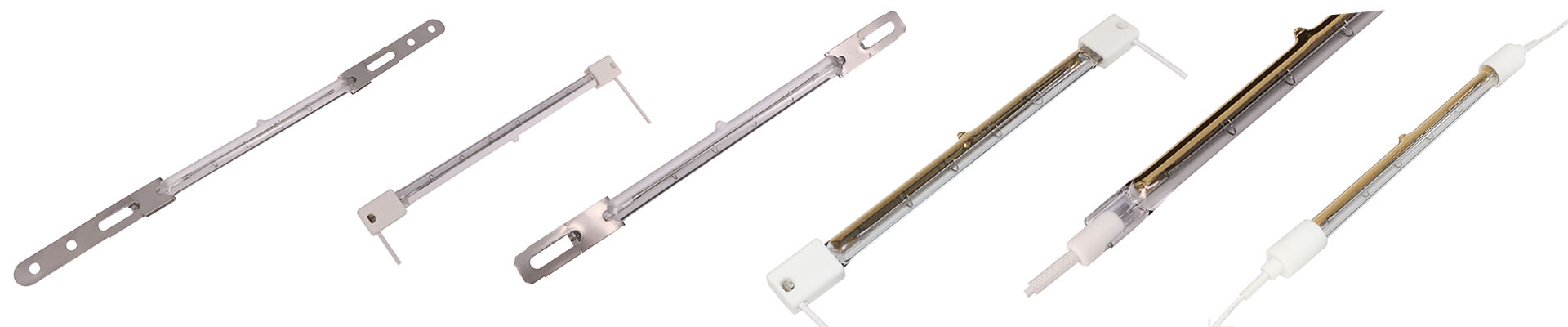
The quartz tube is really the heart of the whole unit. It handles the shock of rapid on-and-off cycles and stays solid at those high filament temperatures. And the halogen cycle keeps the filament clean, so the output stays stable over time. That IR coating? It’s all function, no fluff. It pushes the spectral output toward shorter wavelengths, which helps industrial materials absorb the heat better. The result? Faster heat-up and more consistent results, especially on plastics, coatings, and thin films. And the R7s connector is just a smart, practical choice for the real world. It’s a secure, two-contact termination that handles the current, and it makes the lamp a simple, drop-in replacement in standard fixtures.
Built for the Job
You’ll find these covers in places where space is tight and the heat needs to get to the target fast. Think applications like PET blowing, where the lamp hits the preform surface directly. The heat goes right where it’s needed, not into the machine frame. You get a lot of heat density in a small space, which makes zone design a lot simpler. But there’s a trade-off: that kind of high-density IR output needs proper cooling and thermal management around the fixture. Spec the lamp right—match the voltage and length to the job—and the cover just works. It becomes a reliable, serviceable heating element you can count on.