OEM Infrared Heaters: How One Plant Replaced Constant Breakdowns with Solid, Steady Heat
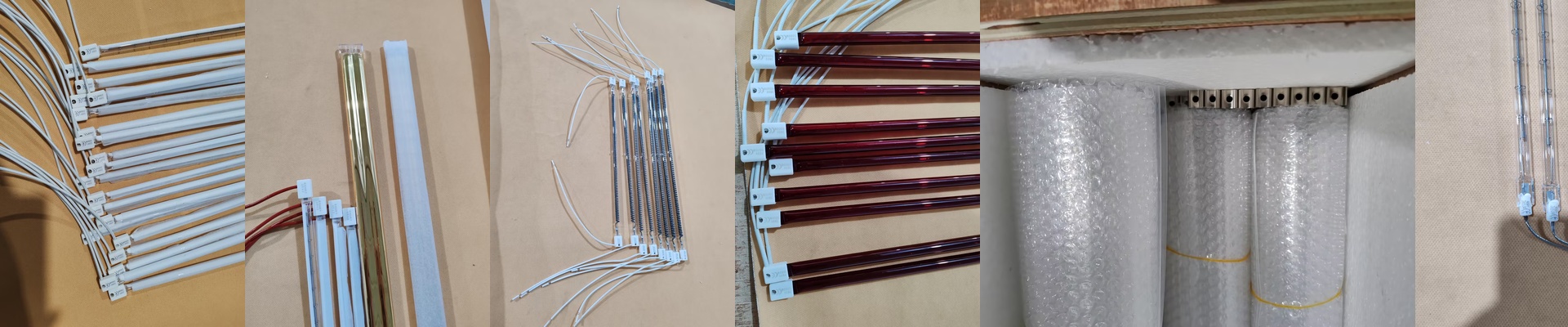
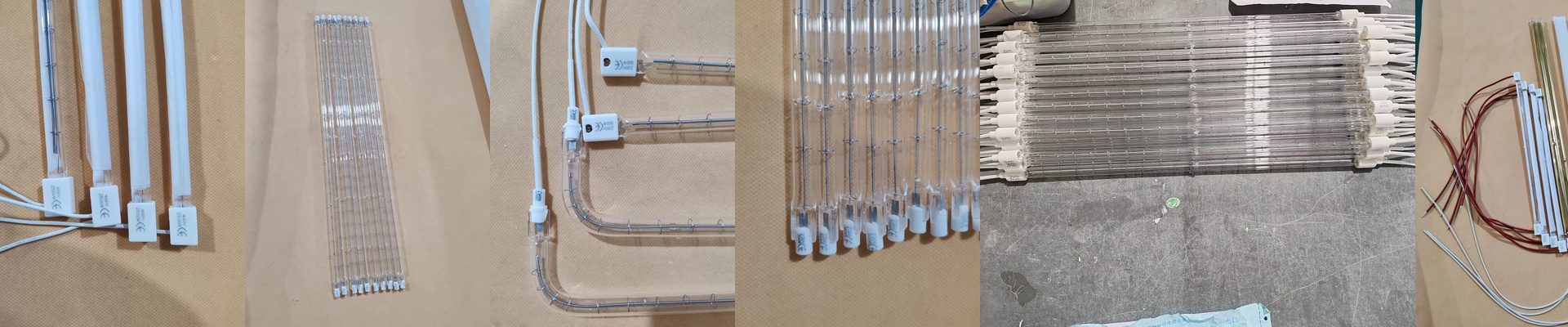
Let’s cut to the chase. We built this OEM infrared heating element for one reason: to survive the heat demands of big plastic processing—without falling apart every other week. Because in a large plant, when a heating line goes down, the money stops flowing. This unit slides right in as a direct swap for older systems, giving you the power you need for extrusion and forming lines—while dramatically cutting the number of late-night maintenance calls.
Power, Voltage, and Size: The Numbers That Actually Matter
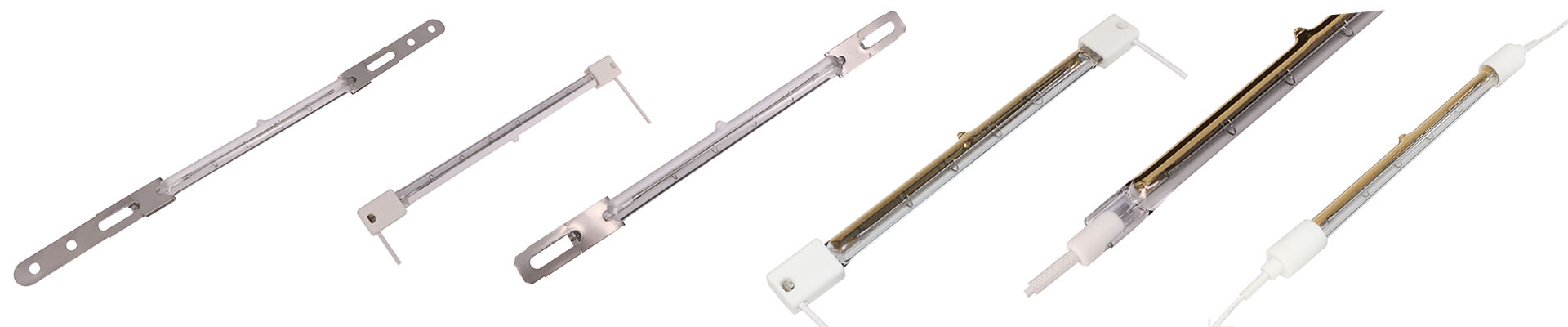
Here’s the core setup, plain and simple: 400V operation, 2500W of output, and a 300mm tube. The 400V rating isn’t just a number on a sticker. It pulls less current than low-voltage options, which means less energy lost in the lines and fewer headaches when you’re running longer stretches without having to re-engineer the wiring. And that 2500W packed into a 300mm footprint? That’s what gives you the intense, focused heat that melts plastic fast and responds quickly when the job changes. This combo is perfect when you need serious heat in a tight spot. But let’s be honest—that kind of power density needs proper cooling. If the airflow around the machine isn’t up to the task, the lamp will run hotter, and its life will shrink fast.
What It’s Made Of: Coated Quartz, Halogen, and a R7s Connection That Just Works
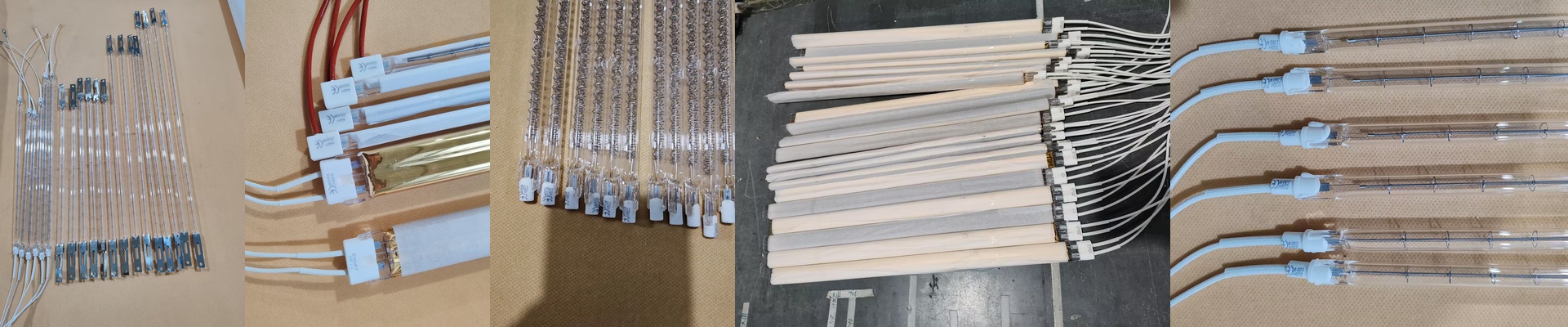
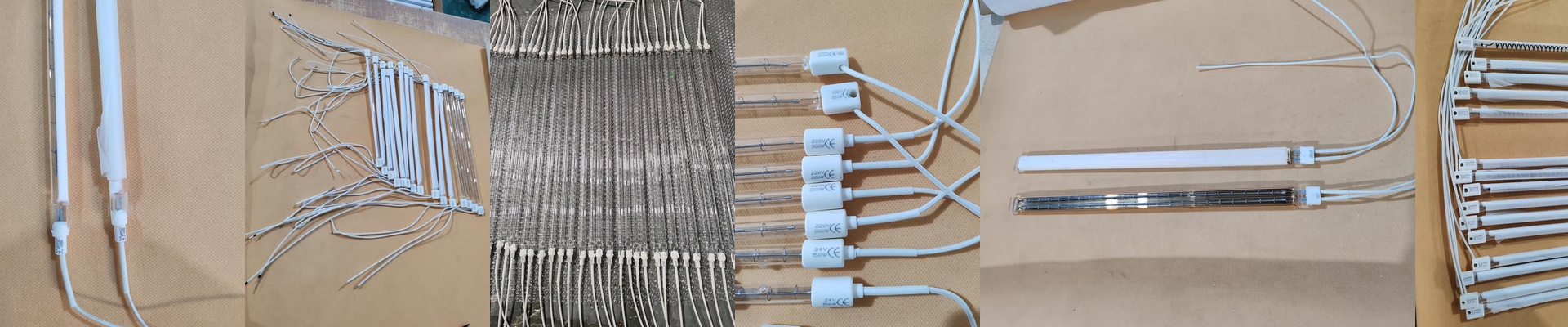
The tube is built with halogen-filled, coated quartz. That coating does the quiet work of shielding the filament from contaminants, so the heat output stays steady shift after shift. The halogen gas supports a regenerative cycle that keeps the filament stable at high temperatures, which means the emissivity stays consistent—no surprises when you’re trying to hit a tight tolerance. Then there’s the R7s connector. It’s an industrial standard for a reason. It gives you solid, two-point contact and a secure mechanical hold. That translates to fewer hot spots at the connection, quicker swap-outs, and far less worry about connections shifting when the machine is vibrating. In our experience, it’s the fastest, cleanest way to replace a lamp on the line without messing around with custom wiring.
Real-World Use: Plastics, Efficiency, and a Line That Doesn’t Keep Breaking
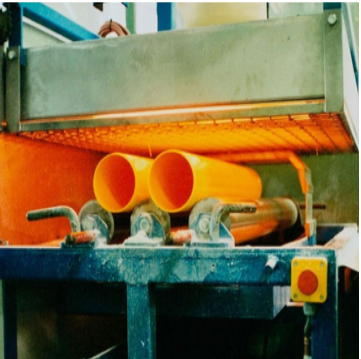
This setup was born for plastics work—PET blowing, sheet heating, thermoforming, you name it. The infrared heat targets the surface with a fast response, so you can tighten up cycle times and stop wasting energy heating the whole machine. For plant engineers, the real win is stability. Fewer lamp failures mean fewer sudden stoppages and fewer hours spent troubleshooting. When you switch to this domestically engineered element, you’re not just changing parts—you’re choosing a heat source that holds steady under continuous, demanding use. And the savings show up in the places that matter: predictable uptime and a noticeable drop in spare-part costs, without sacrificing a single bit of performance.