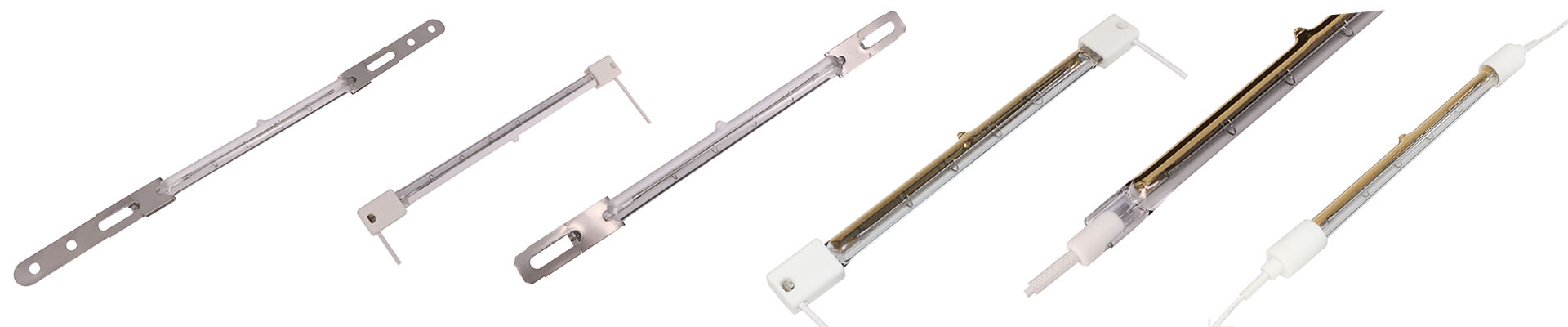
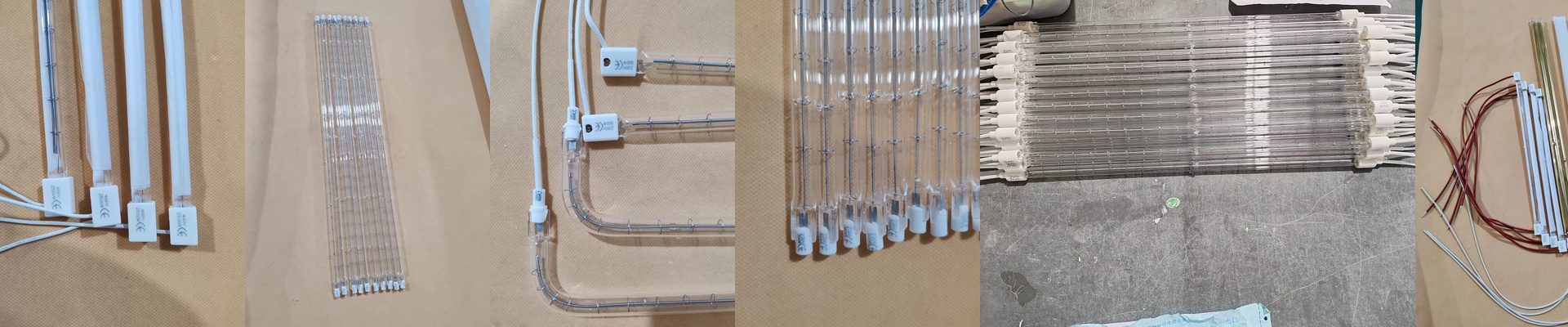
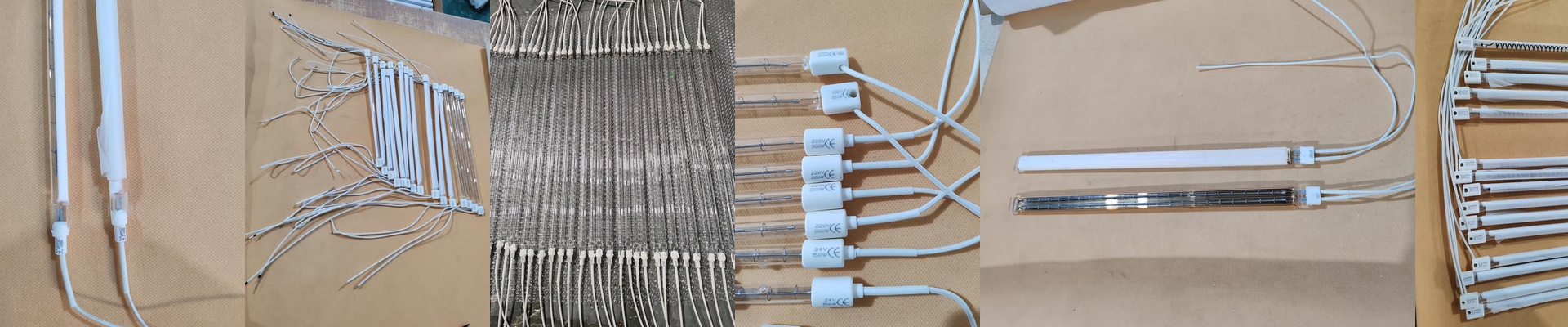
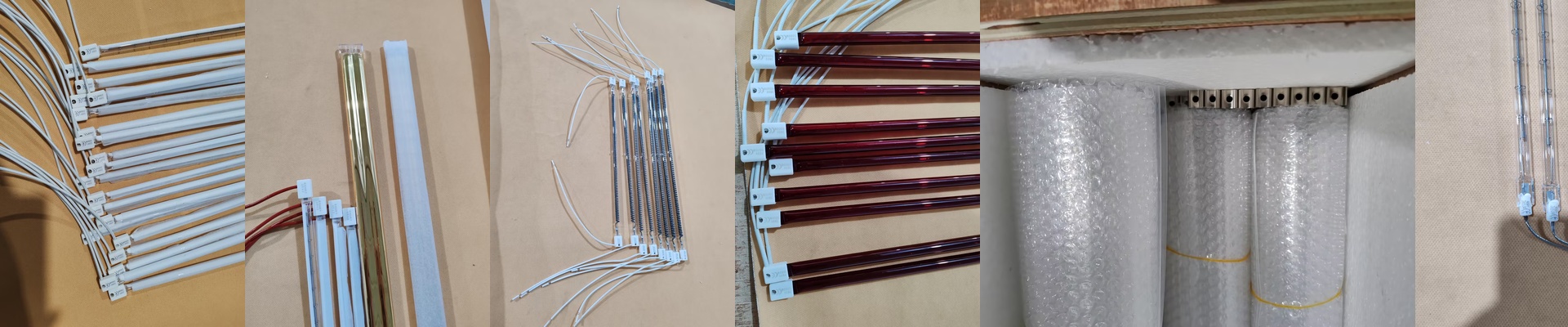
Let’s Talk About Halogen Quartz Heating Tubes
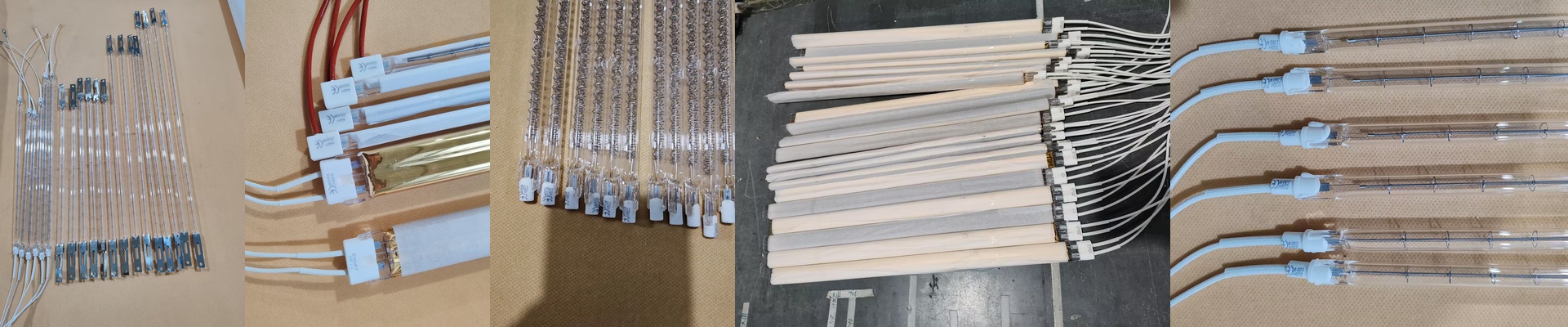
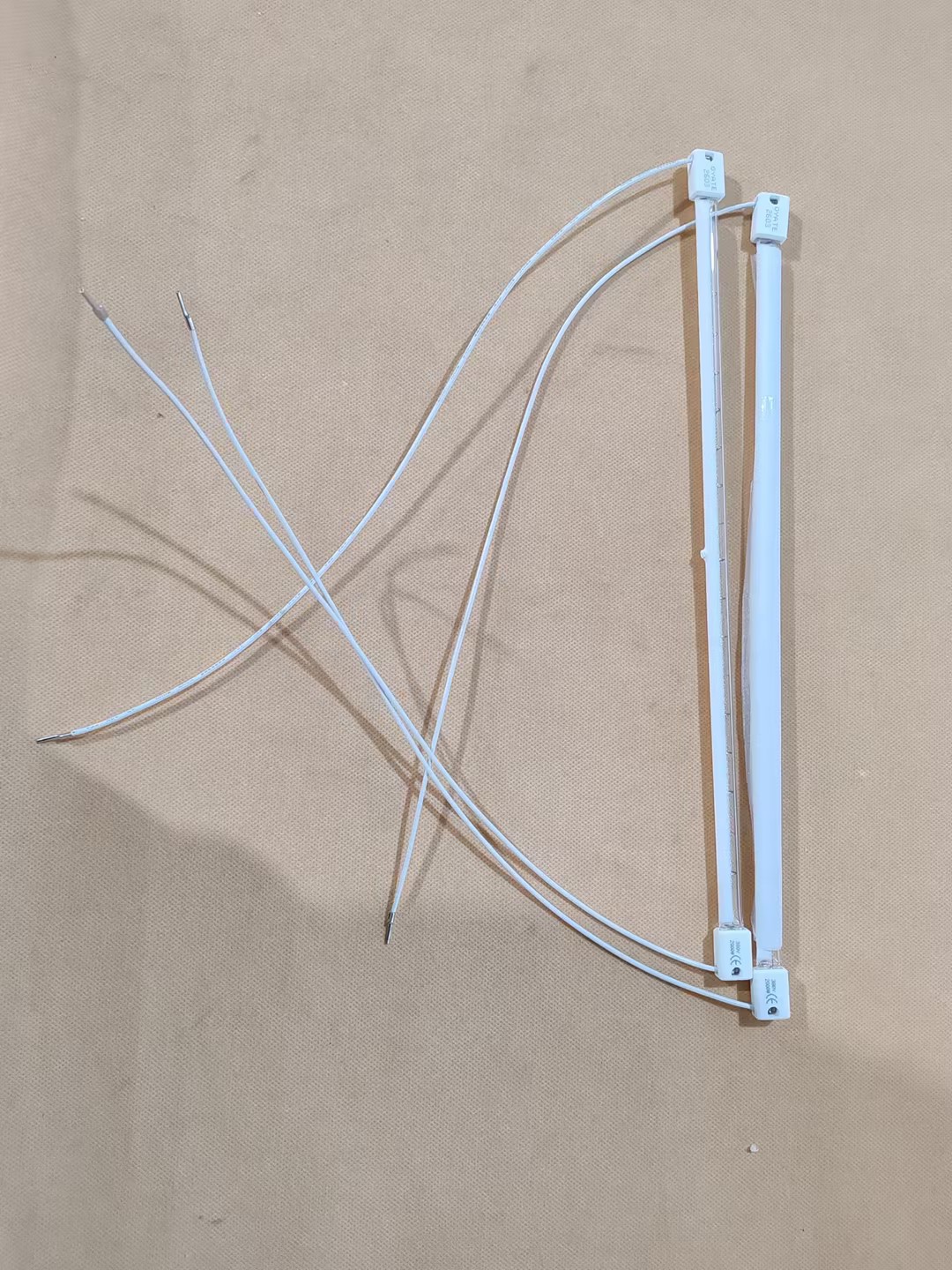
If you’re dealing with heavy industrial heat loads, you know that standard resistive heaters usually just don’t cut it. They’re too slow. That’s why we build our halogen quartz lamps the way we do. We use a tungsten filament tucked inside a quartz envelope and fill it with a specific halogen gas mix. It sounds technical, but here’s the real-world benefit: the filament can get way hotter without just evaporating away. That means you’re pushing a massive amount of energy straight into your material. The power side of things When you’re picking out your tubes, it really comes down to voltage and wattage. If you cram high wattage into a short tube, you get an intense concentration of heat. I’ve seen people jump to a 400V system to get that lightning-fast ramp-up time. It works great, but be careful. Your wiring and contactors need to be up to the task, or you’re just inviting a premature burnout. To keep things stable, we stick with R7s or SK15 connectors. They snap in securely and can handle the “breathing”—that thermal expansion and contraction—that happens when you’re cycling the heat rapidly. Quartz and the “no-touch” rule We use quartz glass because it can take the heat and lets infrared waves pass right through. Sometimes, we add a gold or reflective coating. This is a lifesaver if you don’t want the back of the lamp baking your machine’s chassis; it basically forces the heat to go forward. One huge warning:**do not touch the glass with your bare hands.**Seriously. The oils from your skin create tiny hot spots on the quartz. You won’t see them at first, but they’ll cause the glass to fail. Use gloves. Putting them to work These lamps are the go-to for things like PET blowing and curing plastics because they hit the target temp in seconds. It shaves a ton of time off your cycle. But there’s a catch. Because the energy is so concentrated, it’s easy to scorch your material if the distance isn’t just right. You’ll want a solid PID controller to manage the pulsing. And one last thing—keep an eye on your cooling. If your system can’t handle the ambient heat bleed, your lamps aren’t going to last nearly as long as they should.