The R7s Base Halogen Lamp: Where High-Density Infrared Heat Meets Real-World Engineering
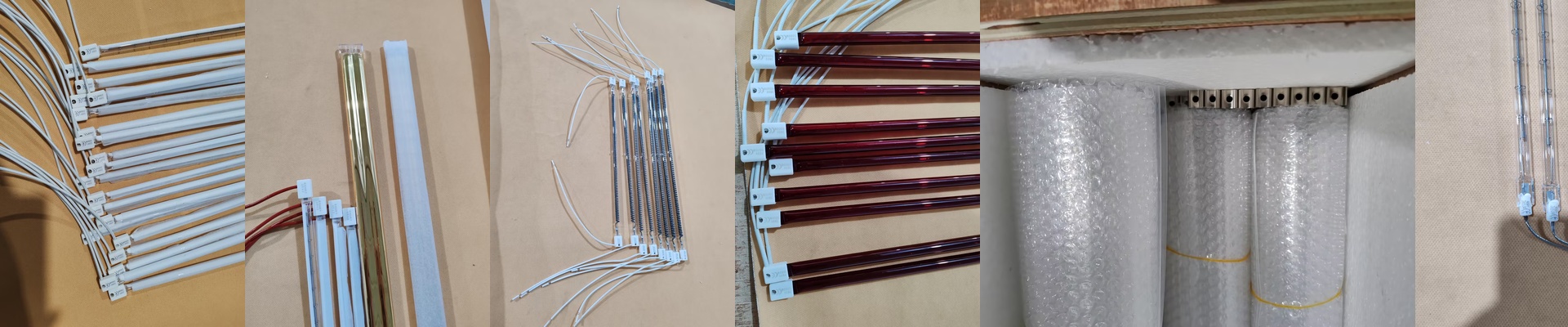
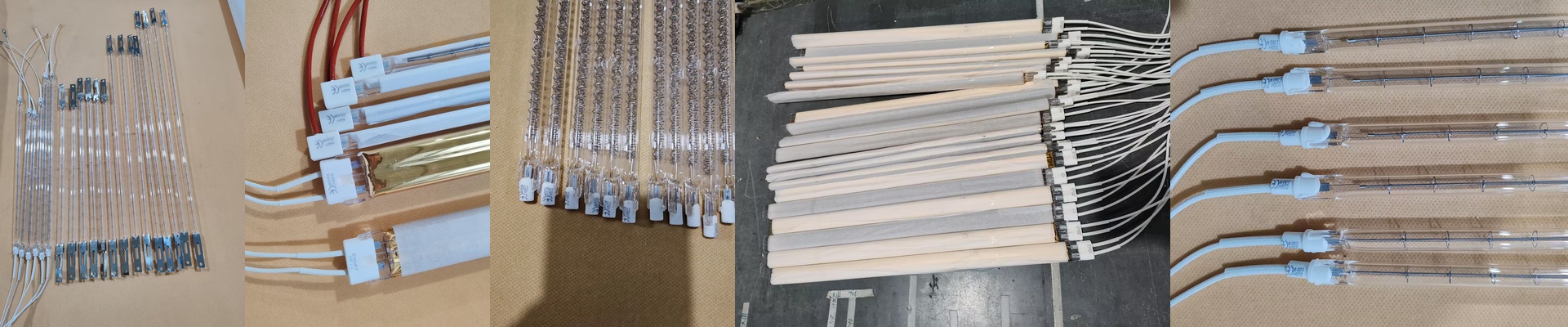
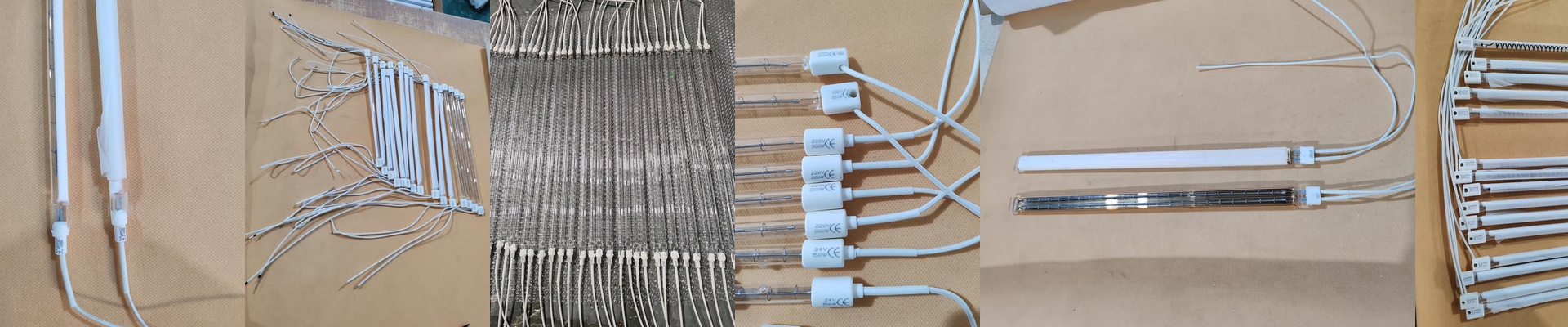
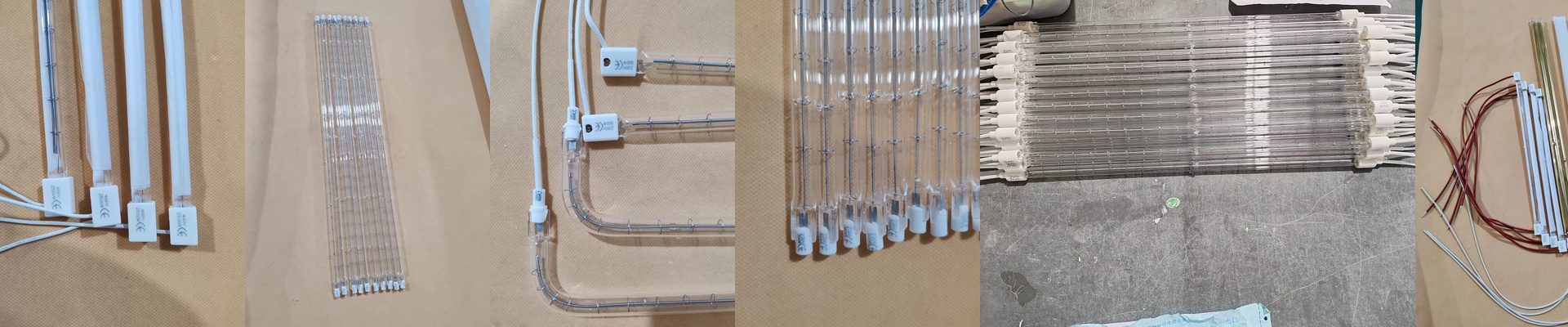
Let’s talk about a lamp that wasn’t built for show. It was built for work—the kind of work where space is at a premium and the heat has to kick in, fast. This is the R7s base halogen lamp. We designed it for industrial heating, plain and simple. It’s not meant to light up a room. It’s a focused infrared radiator, built to deliver concentrated heat exactly where you need it, when you need it.
The Specs That Actually Matter
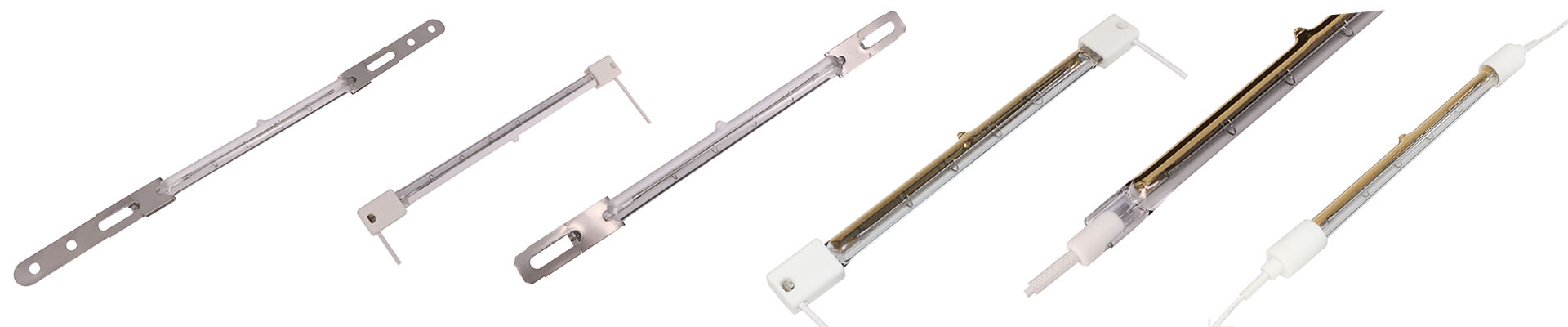
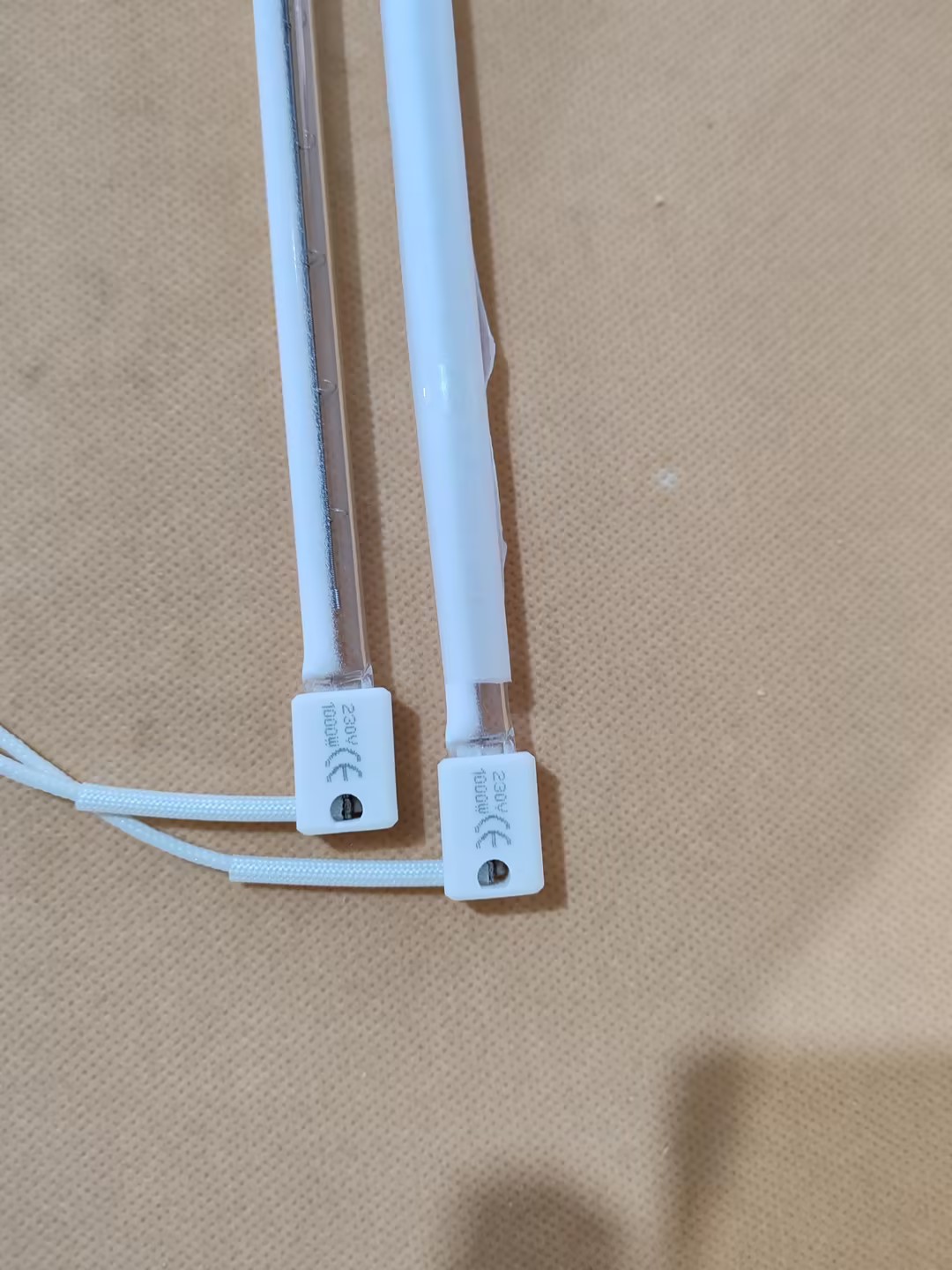
Here’s the thing about this lamp: it packs a serious punch in a compact package. We’re talking high wattage—configurations that go up to 2500W. And it’s built for industrial power, often rated at 400V, so it can run on the circuits you already have without drawing excessive current. The footprint is predictable, too. At around 300mm long, it fits into tight spaces without a fight. You know exactly what you’re working with when it comes time to integrate it.
The Design That Makes It Work
Inside, the halogen cycle keeps the filament stable, which helps the lamp deliver consistent output over its lifespan. No surprises, just steady performance. Then there’s the reflective coating. It does its job by directing infrared energy forward, so more of the heat hits the target and less is wasted backward. And that R7s base? It’s the key to the whole setup. This double-ended, linear contact design gives you a solid electrical connection and makes mounting in focused heating fixtures straightforward. It just works.
Where It Shines—And What to Keep in Mind
You’ll see this lamp in places like PET bottle blowing, plastic welding, and packaging sealing. Places that demand rapid, localized heating. It heats up fast. Installation is a simple drop-in. And the thermal footprint is tight—right where you need it. But here’s the trade-off: at full output, it runs hot. That’s the nature of the beast. So, you’ve got to make sure the surrounding fixture and machine cooling are properly set up. It’s all about managing that heat to protect the components nearby.