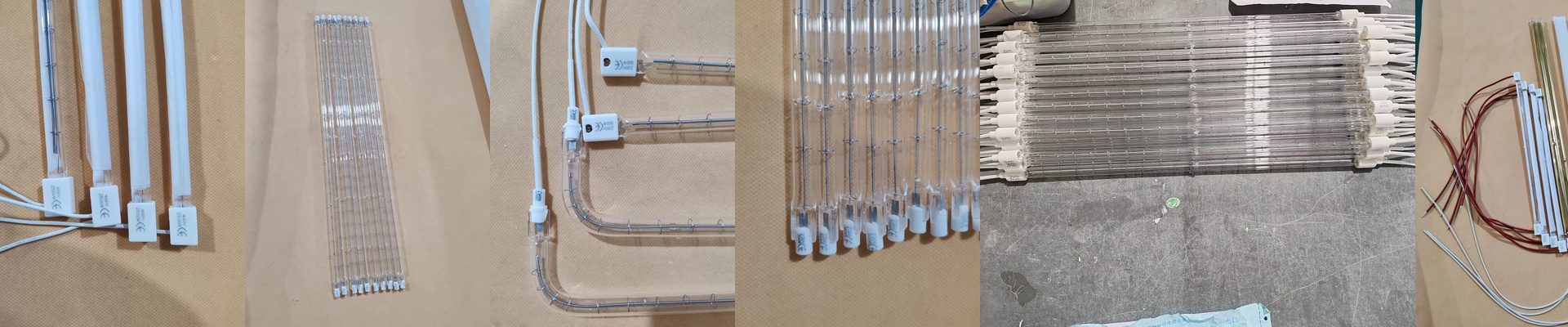
Electric Halogen Heating Lamps: Power, Design, and Industrial Application
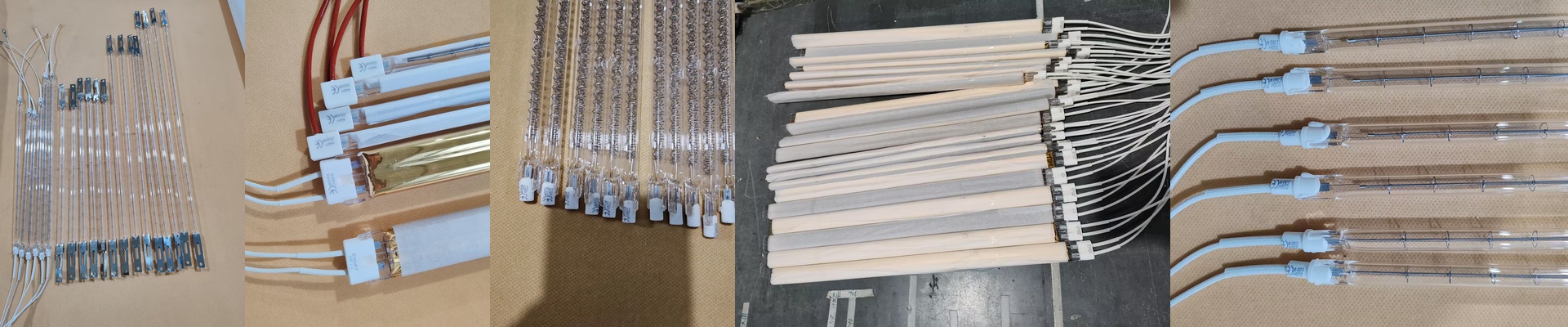
We build electric halogen heating lamps for the machines that demand fast, focused heat. Think of them as the workhorses that deliver intense infrared energy right where you need it. When your process has to get hot, fast, and stay there—without overshooting—these are the lamps you reach for.
Technical Deep-Dive: Voltage, Wattage, and Dimensions
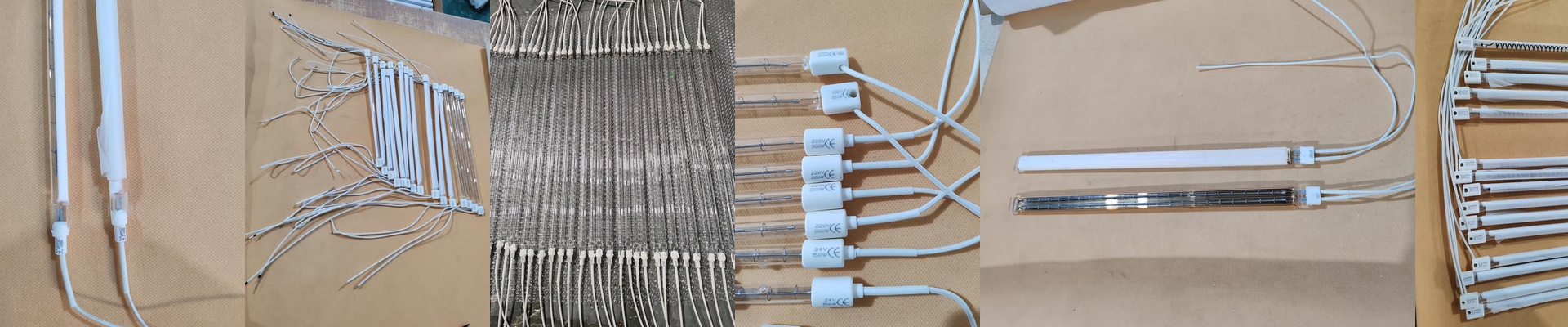
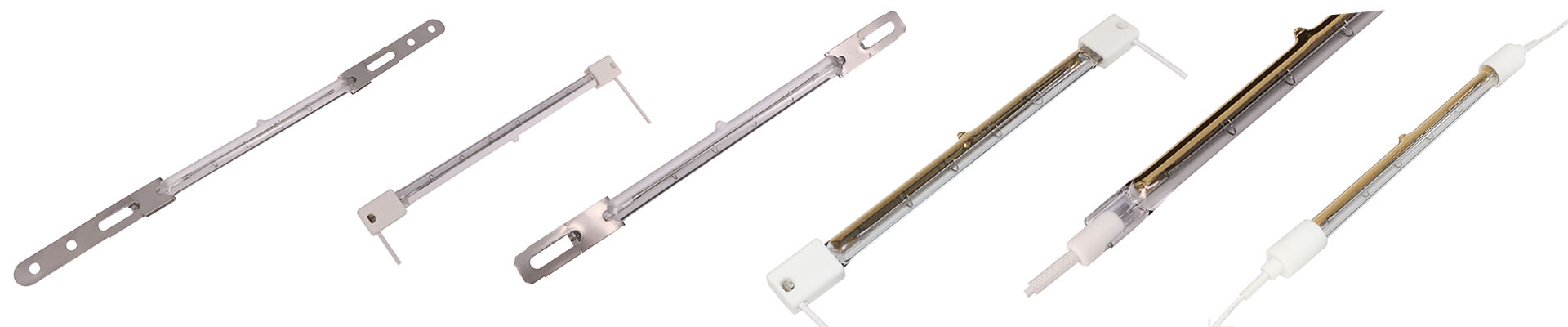
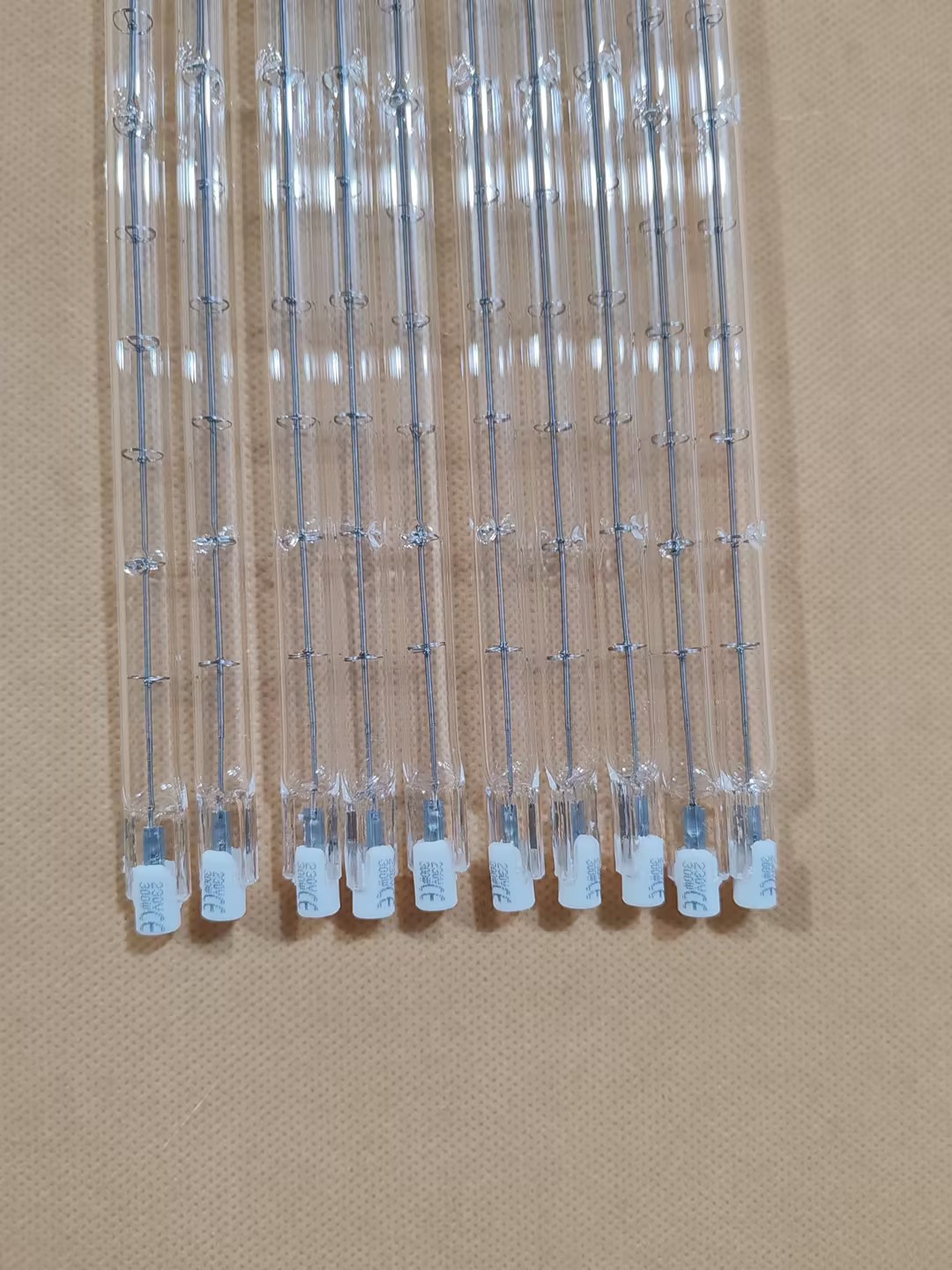
Here’s the thing about these lamps: they’re built for serious power in a small footprint. A 400V, 2500W rating is typical for industrial setups, and it packs a serious punch. All that heat comes out of a compact quartz tube, about 300mm long. That size is a lifesaver when you’re squeezing heat into tight zones—no need to tear apart the whole assembly just to make room. It heats up fast. Really fast. But that kind of power density also means your cooling system has to be up to the task. Plan for the ambient load, and you’re good.
Material & Design: Quartz, Halogen, and Connectors
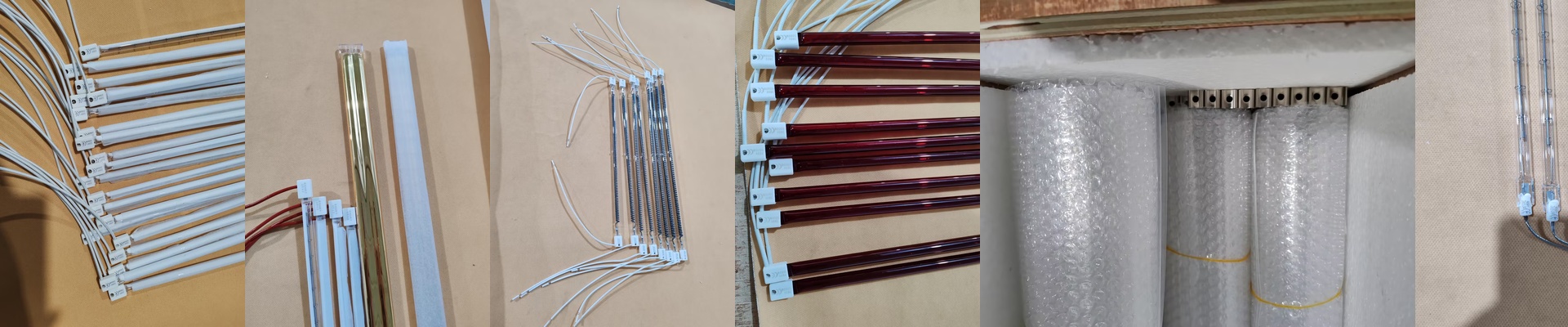
The quartz tube can take the heat—and the chemicals—without blinking. Inside, the halogen fill does a clever trick: it redeposits evaporated tungsten back onto the filament. That means longer life, fewer burnouts, and steady output over time. Coated versions help spread the heat more evenly and keep the tube cleaner when contaminants are part of the job. And when it comes to wiring, R7s and Sk15 connectors give you a solid, low-resistance connection that can handle the jolts of vibration and the daily push and pull of temperature swings on the factory floor.
Application & Benefits: Efficiency and Installation
These lamps shine where you need pinpoint, localized heating—like in PET blowing. The focused infrared beam hits the target hard and fast, which helps cut cycle time and keeps energy use in step with the load. Installation is straightforward, too. The compact design and standardized connectors mean it’s a clean drop-in replacement. When it’s time for maintenance, you get the machine back up and running with minimal downtime.