Let’s Talk About Industrial Halogen Heating
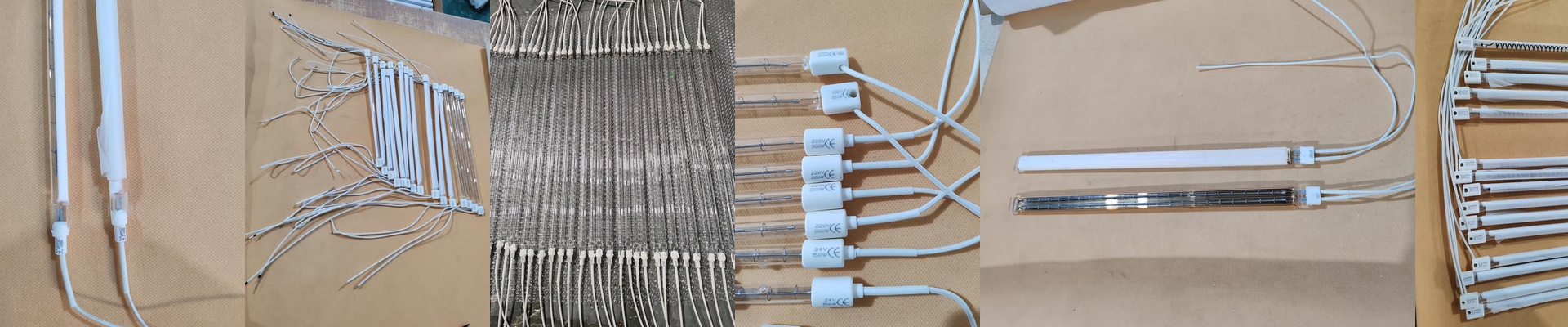
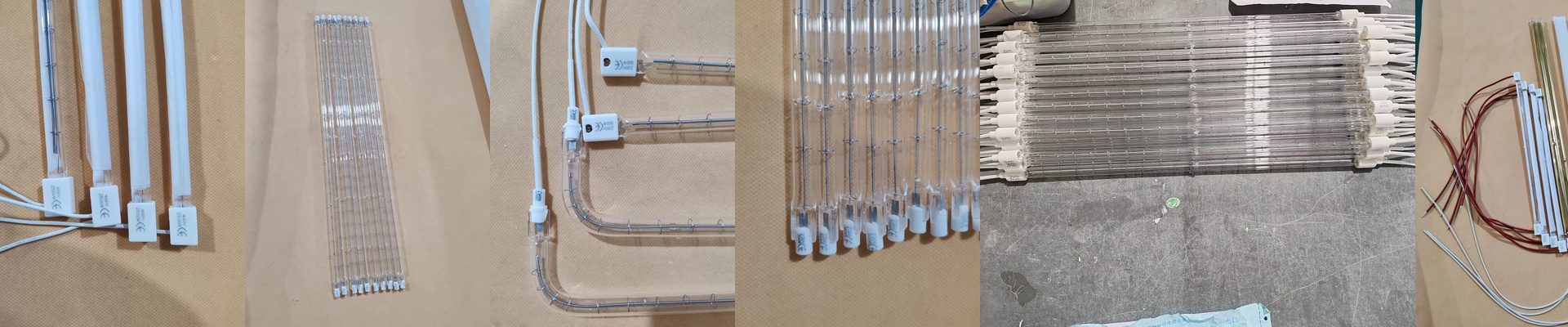
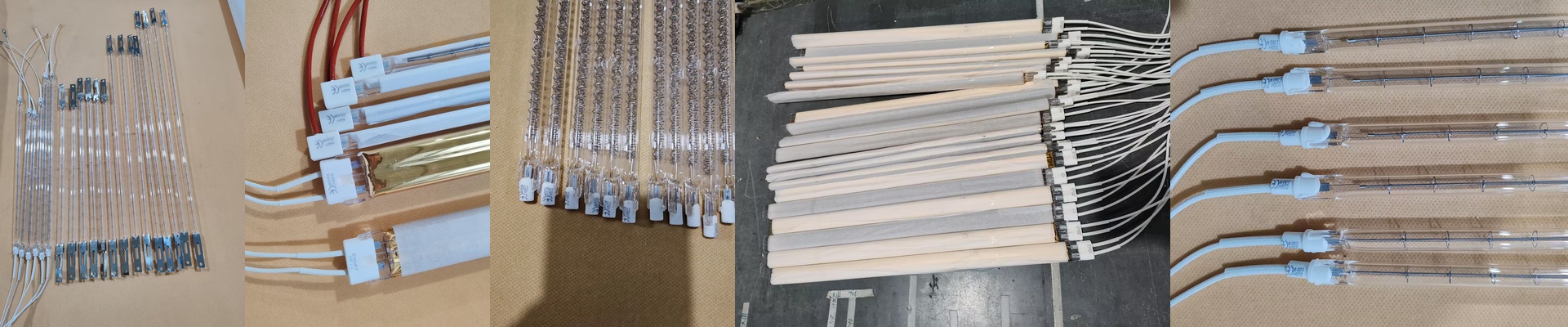
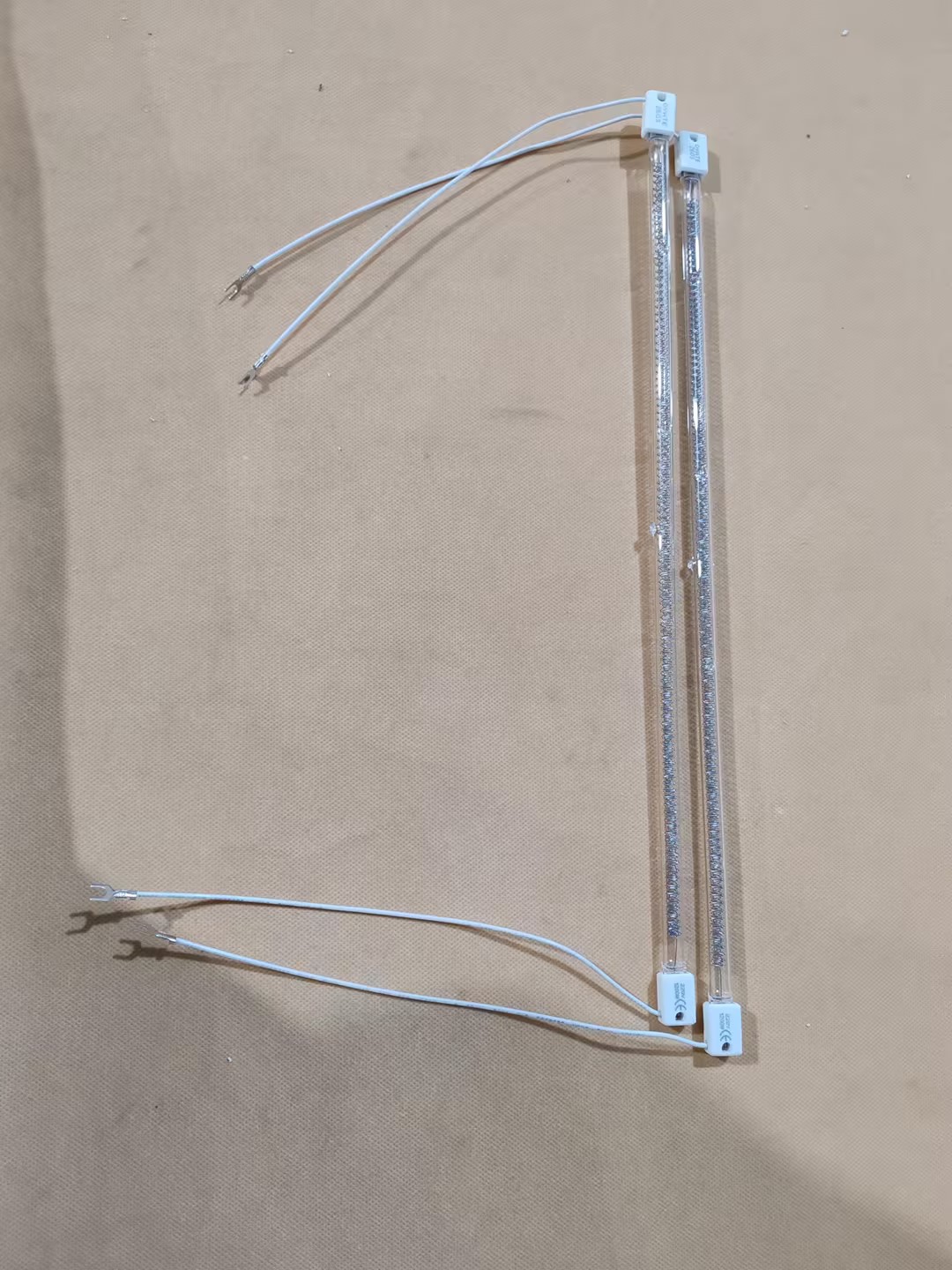
Ever wonder why some heaters just hit different? That’s basically what’s happening with halogen lamps. They use a tungsten filament tucked inside a quartz tube and pumped full of halogen gas. The gas is the secret sauce. It stops the tungsten from evaporating too fast, which means we can crank the heat way up—much higher than your old-school light bulbs. Instead of wasting time warming up the air in the room, the heat shoots straight into your material. It’s direct. It’s fast.
The Nitty-Gritty on Power
When you’re picking out a tube, it really comes down to voltage and wattage. If you need things to heat up in a blink for a fast production line, go for the high-wattage stuff. Here’s a pro tip: if you run a 400V system, you don’t need wires as thick as your thumb because the current draw is lower than a 230V setup. But be careful. All that power creates a ton of heat at the ends of the lamp. If you don’t get some decent airflow in your housing, you’re just going to fry the seals.
Quartz and Connections
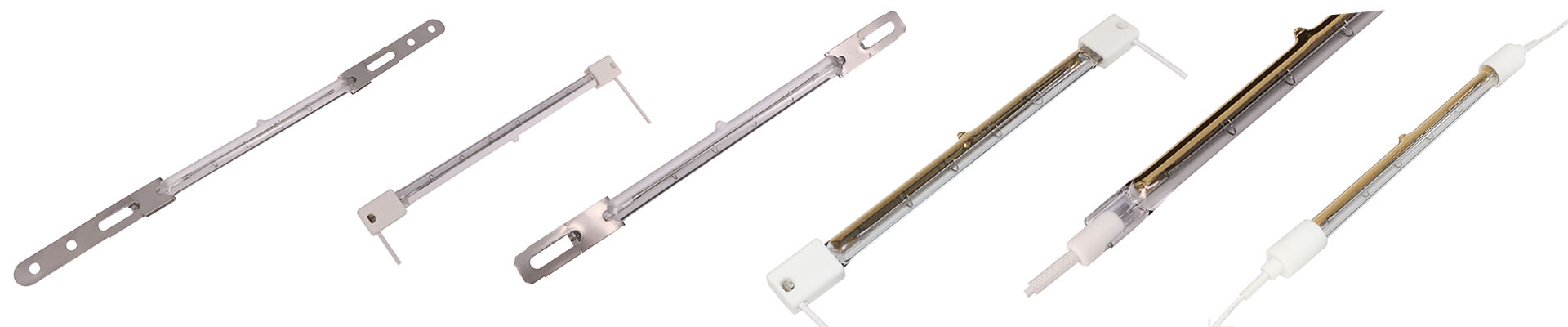
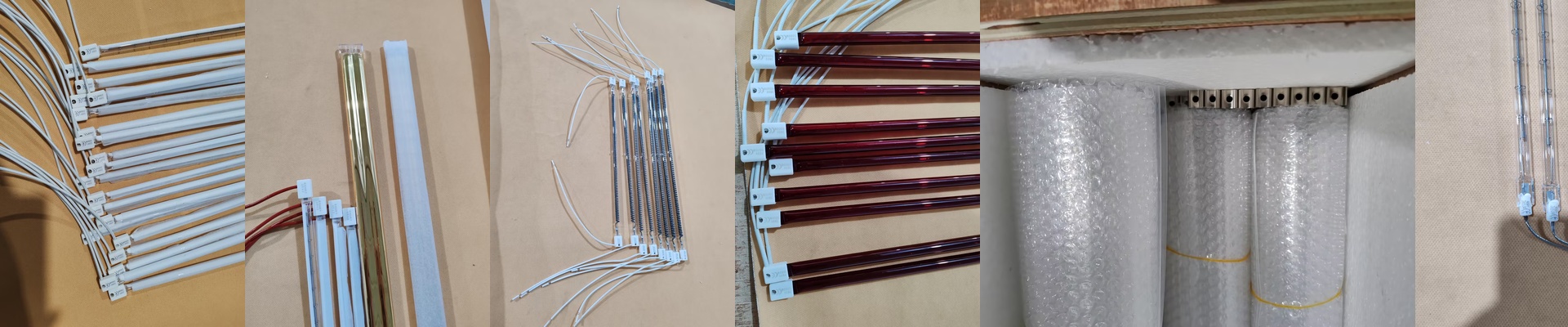
We stick with high-purity quartz because it doesn’t crack when the temperature swings wildly. You’ll see some tubes with gold or aluminum coatings. Those aren’t for looks—they act like a mirror, bouncing the heat forward onto your workpiece so you don’t accidentally melt the back of your machine. As for the plugs, we usually use R7s or Sk15 bases. They just slide right in. They’re sturdy, too, so they won’t rattle loose when your machinery starts humming.
Putting it to Work
If you’re blowing PET bottles or shrink-wrapping plastic, these lamps are your best friend. The heat sinks into the plastic almost instantly, getting it soft and ready to shape in seconds. But watch out. These things are powerful. If the plastic sits under the lamp too long, it’ll scorch. You’ve got to find that sweet spot—matching your conveyor speed to the wattage—so you get a perfect finish without burning a hole in your product.