Getting the Most Out of Your R7s 1000W Halogen
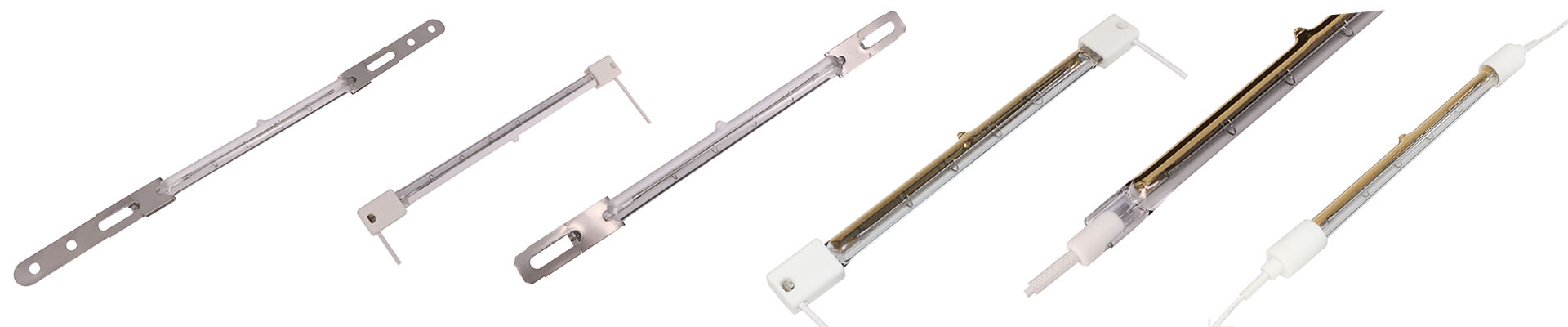
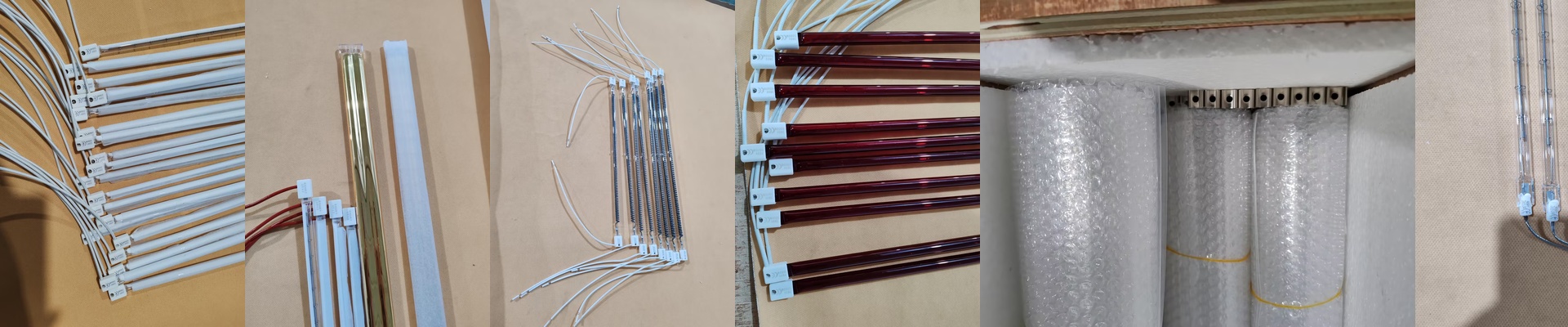
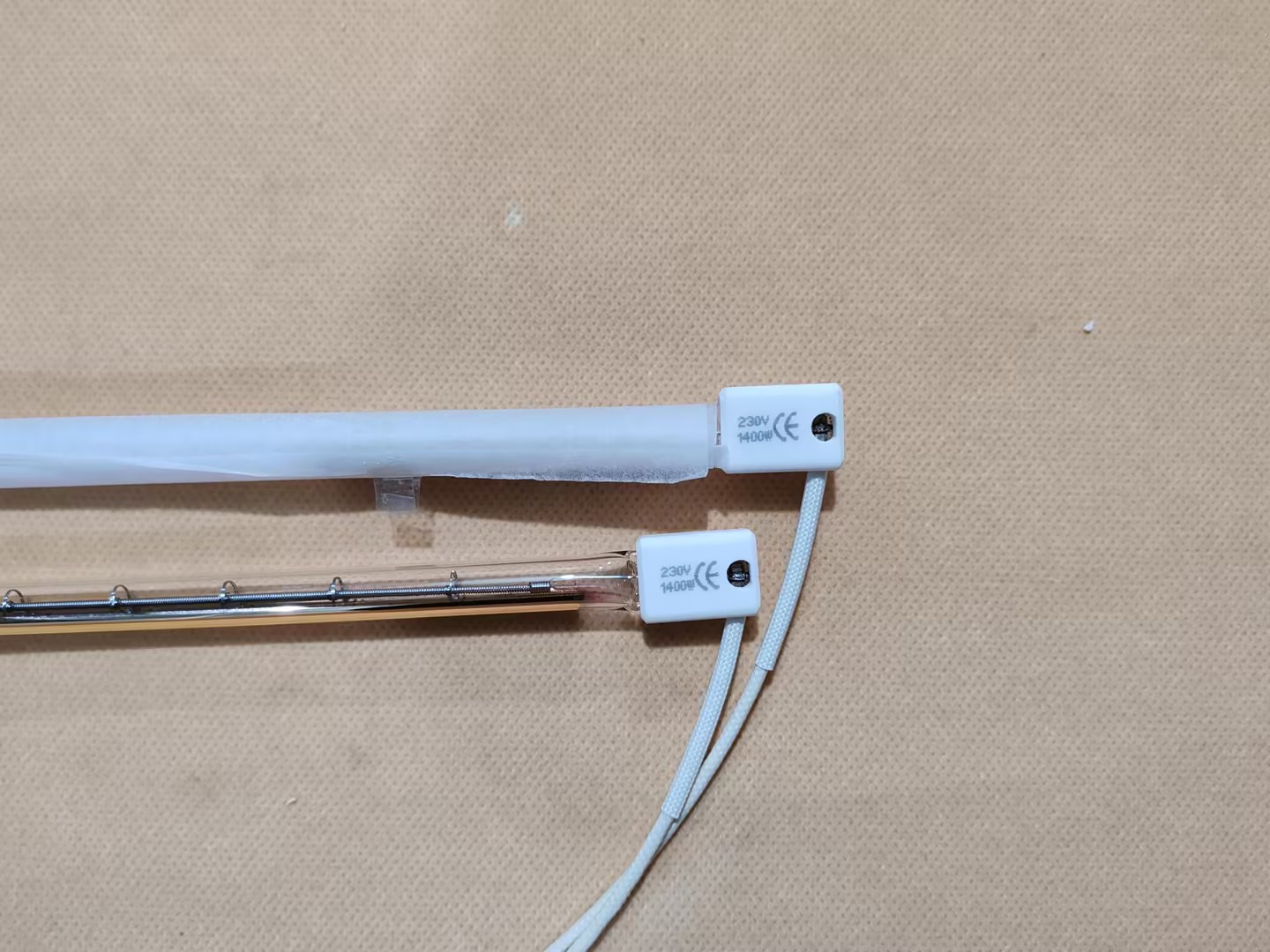
If you’ve ever had to swap out a burnt-out halogen bulb in a 220V system, you know the R7s base is the old reliable of the industry. It just works. It gives you a solid, linear connection that can handle a ton of current without melting your housing into a puddle. We built these 1000W lamps for one reason: raw, concentrated infrared energy. When you need things to heat up now, this is your tool.
The Power Stuff
A 1000W rating at 220V is a lot of heat in a very small space. The best part? The ramp-up time is incredibly fast. If your process can’t afford to sit around waiting for a warm-up, you’re in luck. To make this happen, we use a tungsten filament tucked inside a quartz envelope. It’s the only way to handle those extreme temperatures without the glass softening or warping. But here’s a heads-up: that much heat needs a place to go. If your fixture is clogged or your reflectors are looking a bit pitted and worn, the bulb is going to burn out way faster than it should. Keep things clean.
Why the Design Matters
The R7s connector is a simple push-and-lock. No fuss, no complicated tools—just a drop-in replacement for most industrial heaters. We use high-purity quartz because it keeps the “halogen cycle” humming along. Basically, the gas pushes the tungsten back onto the filament so the glass doesn’t turn black. It keeps the light clear and the heat consistent for a lot longer.
Real-World Use (and One Big Warning)
You’ll see these working hard in PET blowing machines, industrial drying tunnels, or high-end heat lamps. They give you that “instant-on” punch that those slow resistive coils just can’t touch. But there is a catch. Quartz is finicky. Whatever you do, do not touch the glass with your bare hands. It sounds weird, but the oils from your skin create tiny hotspots. Once the lamp hits full temp, those spots can cause the glass to crack or blow out almost immediately. Grab some lint-free gloves before you slide the bulb in. Your future self will thank you.