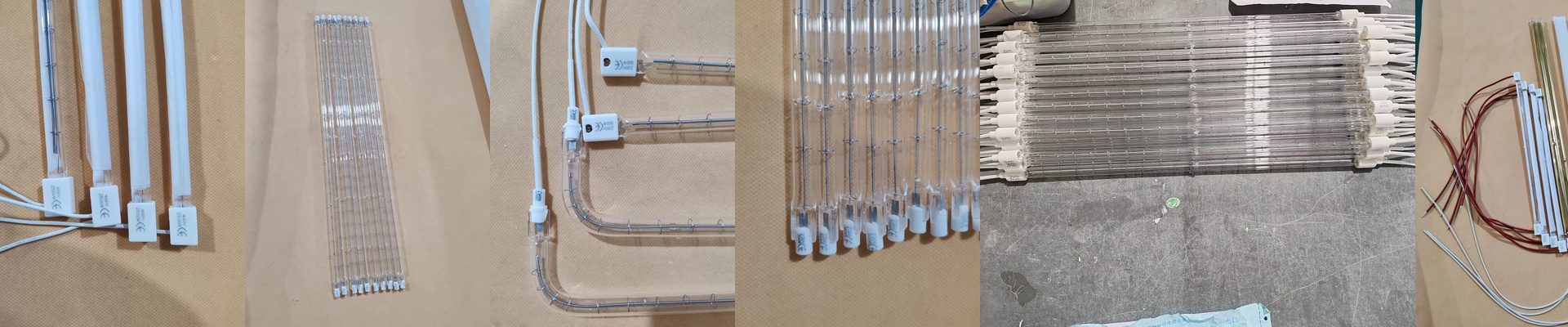
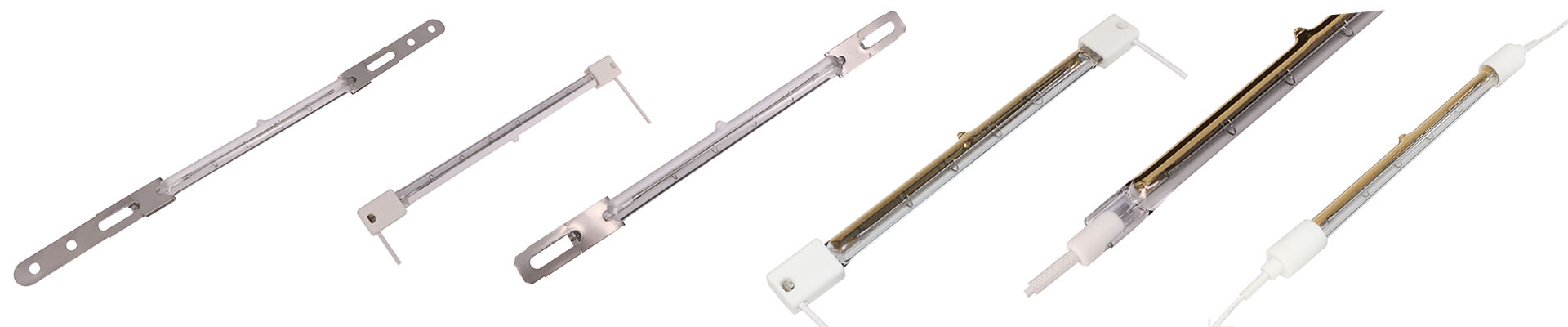
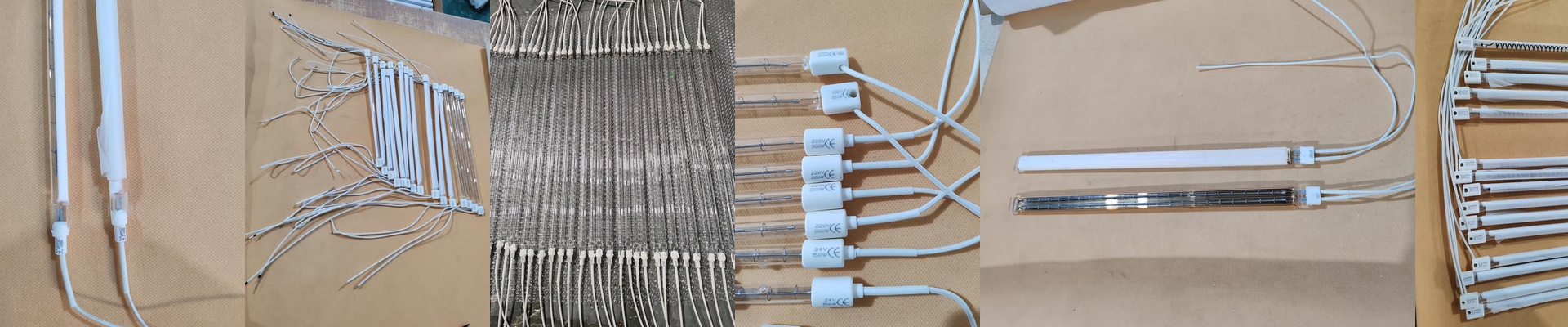
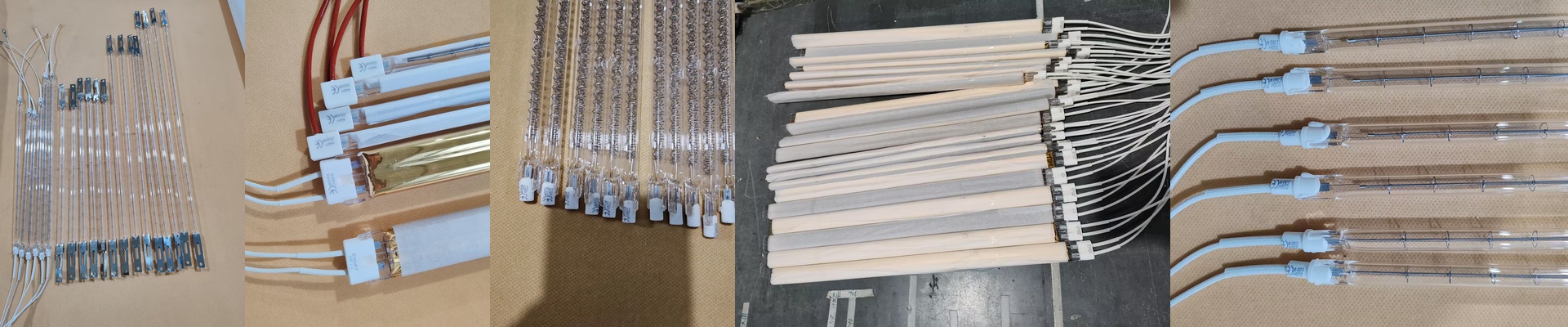
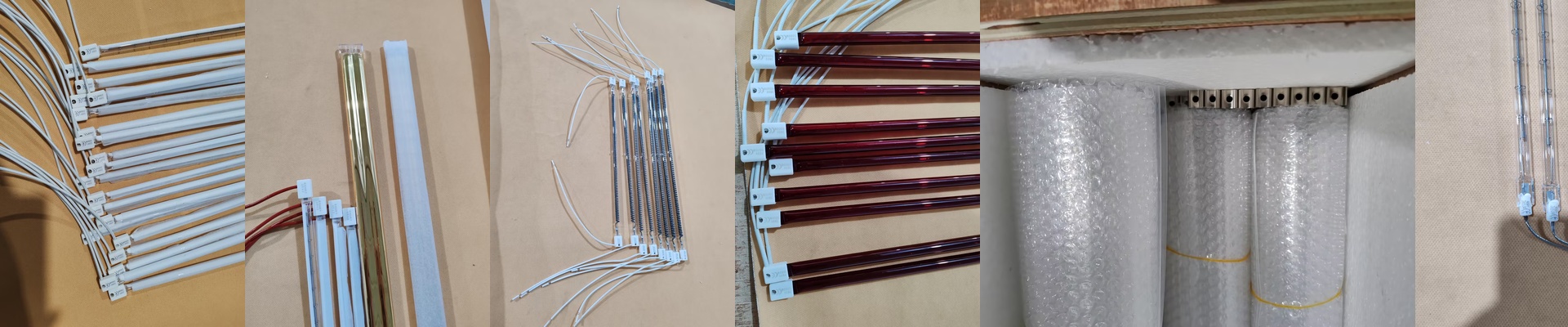
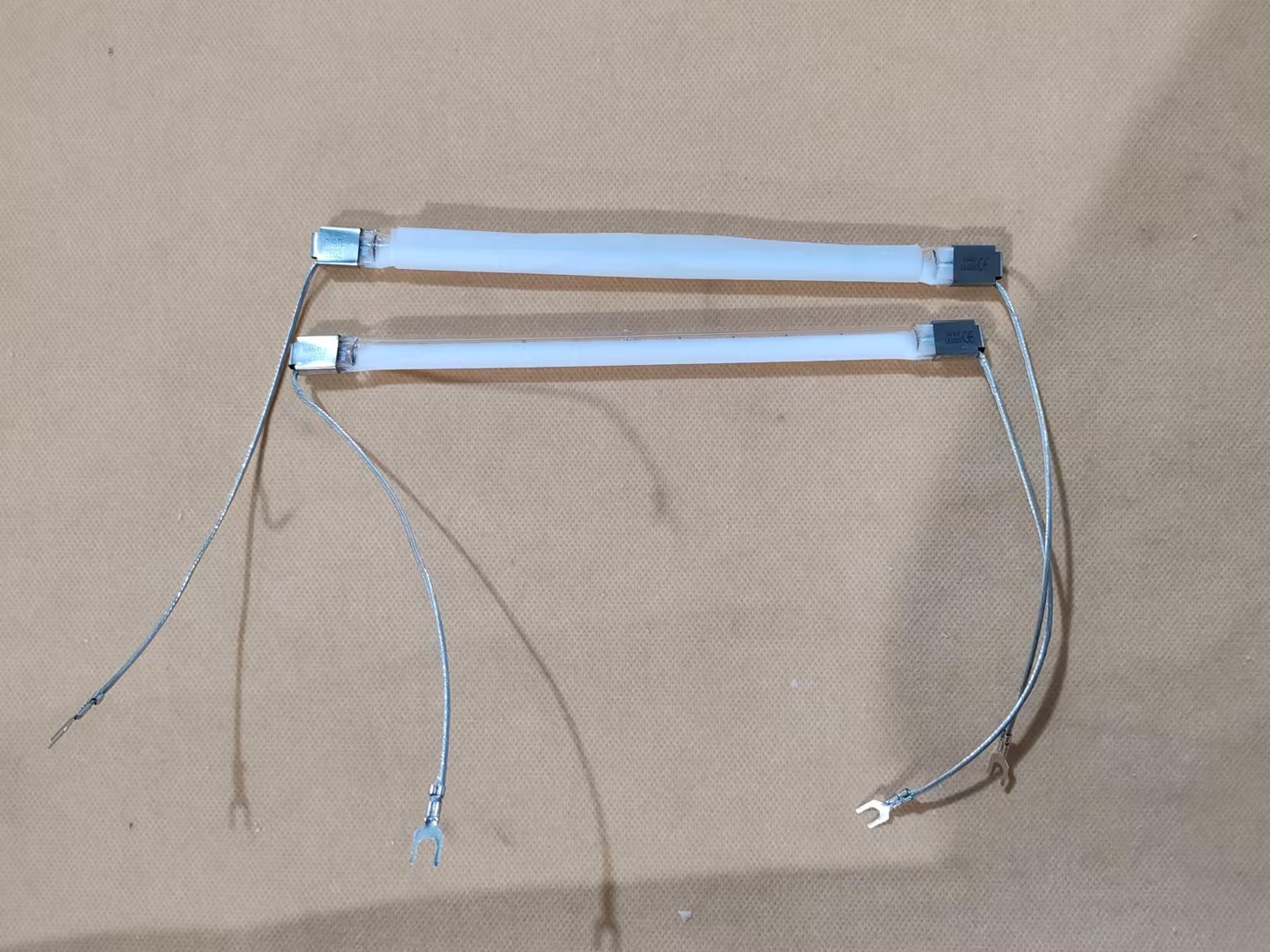
Let’s talk about the 230V 2000W Clear Halogen Lamp
If you’re dealing with high-intensity heat loads, you need something that doesn’t quit. That’s why we built these 980mm clear halogen lamps. At 2000W, they put out a serious amount of shortwave infrared energy. Because of the way we balanced the wattage across nearly a meter of glass, you get a steady, even heat. No annoying cold spots. Just consistent warmth across the whole zone.
The Nitty-Gritty on Power
The 230V setup is great because it plugs straight into most industrial grids. No need to mess around with bulky, expensive transformers. We went with a clear quartz envelope for a reason: it lets the energy punch straight through to your material. It’s much faster than the coated versions. You’ll notice the ramp-up time is almost instant. But a word of warning. 2000W is a lot of power.**Make sure your reflectors are up to the task.**If your housing doesn’t breathe, the heat gets trapped and will fry the ends of the lamp. It’s a quick way to kill a perfectly good bulb.
Why Halogen?
Inside that quartz tube, we use halogen gas to keep things clean. It basically recycles the tungsten filament so it doesn’t evaporate and gunk up the glass. This keeps the tube clear and helps the lamp last much longer. At 980mm, these are perfect for wide-area drying or curing. They’re designed to be simple drop-in replacements for your existing arrays. One big rule, though: don’t touch the glass. Seriously. Use gloves. Even a tiny bit of oil from your skin can create a hot spot. Once that lamp hits full power, that one fingerprint can cause the glass to crack. Not a fun way to start a shift.
Where this actually works
These are the “heavy hitters.” They’re kind of a brute-force approach to heating, which makes them ideal for things like PET blowing, plastic welding, or curing paint. The heat hits the surface and transfers fast. If you’re looking for a gentle, slow soak, this probably isn’t your lamp—it’s likely too aggressive for that. Also, keep an eye on your PID controller. You’ll want to tune it specifically for a 2000W load so you don’t overshoot your target temperature.