Getting the Most Out of Your Narva Industrial Halogen Lamps
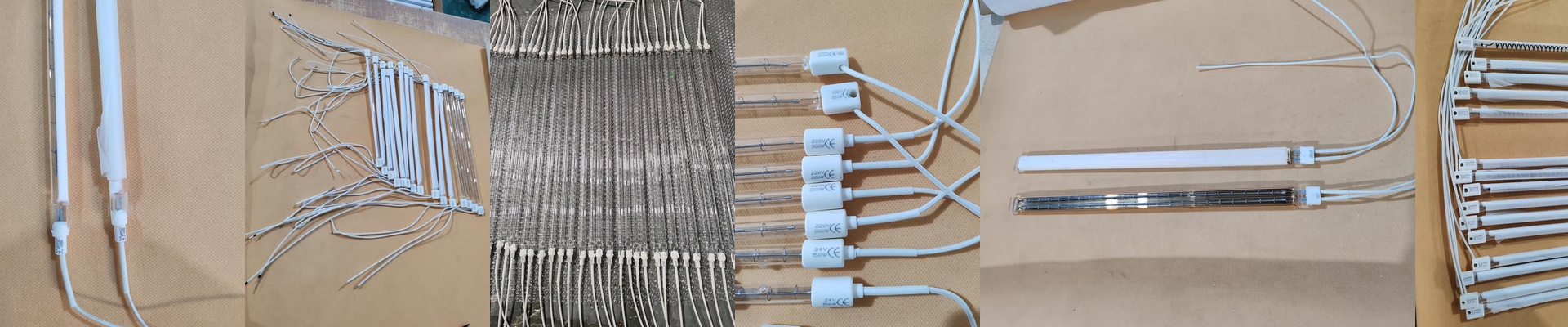
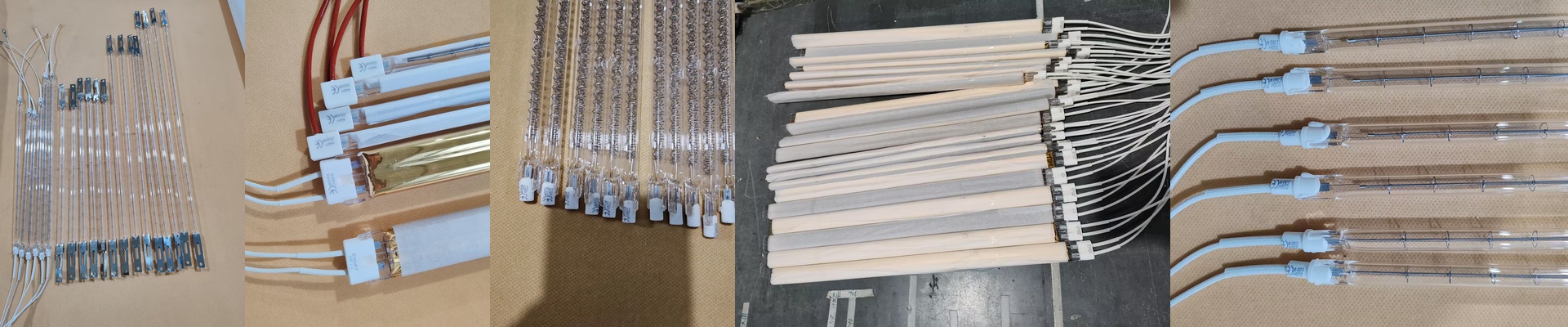
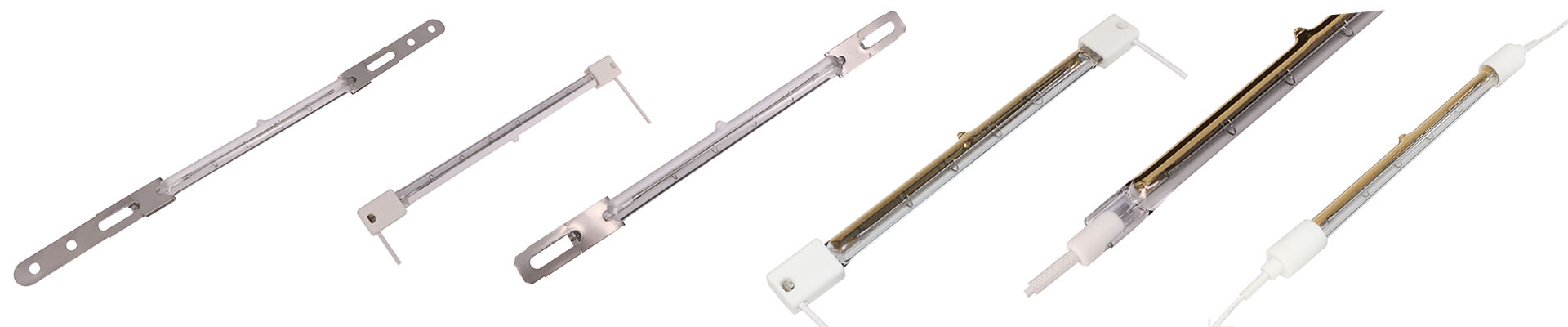
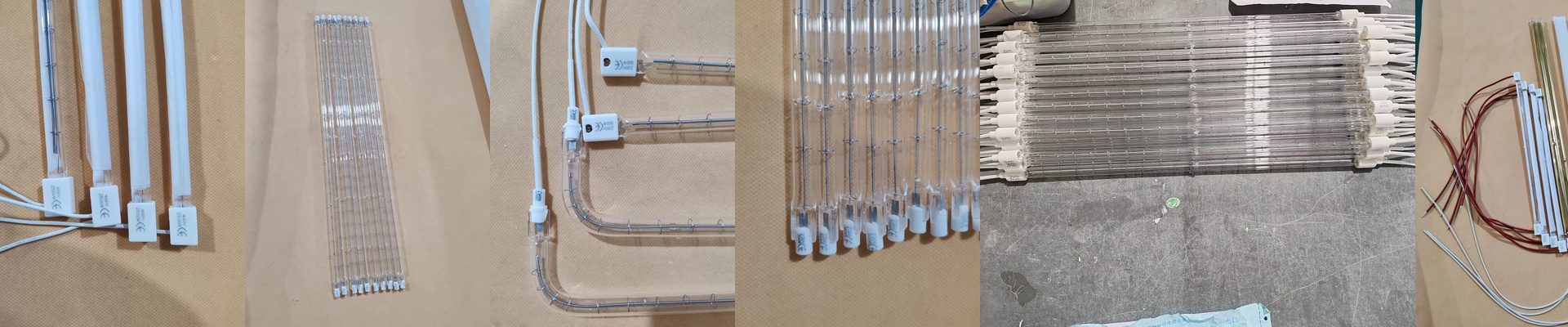
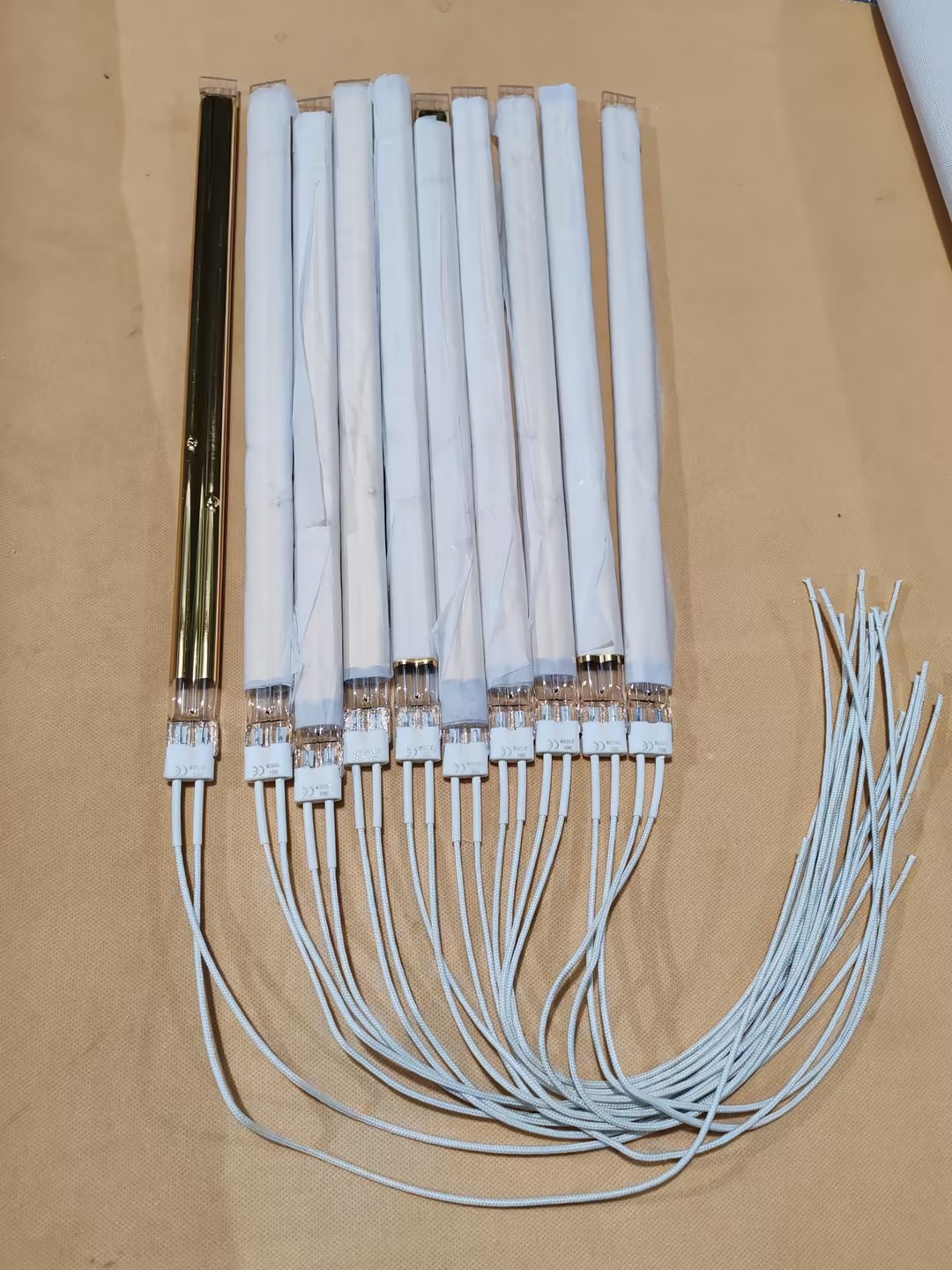
If you’re working with high-heat machinery, you know the drill. You need heat, and you need it now. That’s where Narva halogen bulbs come in. They’re basically built for the heavy lifting. Inside that quartz glass is a tungsten filament and a bit of halogen gas. The gas does something pretty clever—it stops the tungsten from gunking up the glass. This keeps your light clear and your heat steady, so you aren’t fighting a fading bulb halfway through a shift.
Let’s talk power
Here’s the thing: these lamps are designed to play nice with your machine’s transformer. If you need fast cycle times, you go for the high-wattage tubes to get that intense heat density. But a word of caution. Check your wiring and sockets. If they aren’t rated for the amp draw of the bulb, you’re looking at melted housings. Not a good look. And if you’re running a high-voltage setup? The quartz ends take a beating. Make sure your cooling fans are actually doing their job, or those end-caps will fail sooner than you’d like.
The build
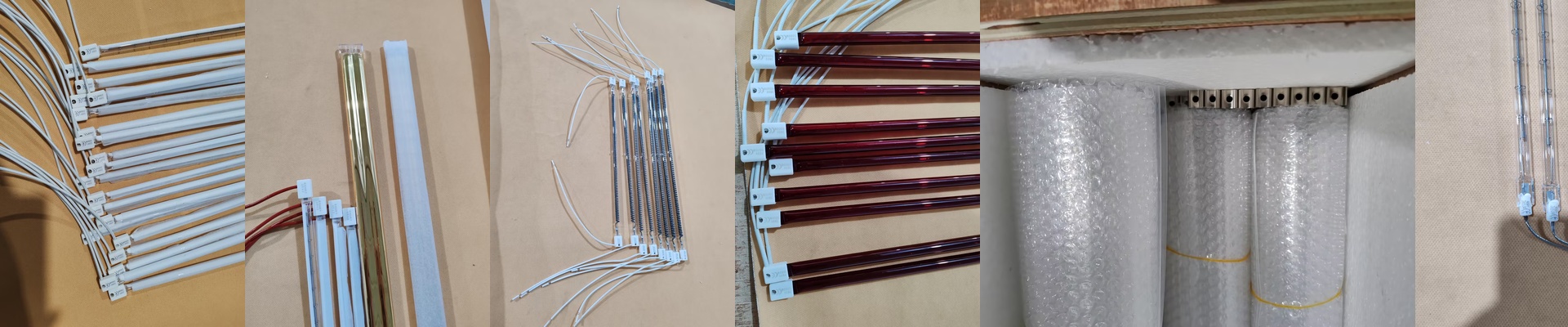
We use quartz glass because it can handle temperatures that would melt almost anything else. Depending on what you’re using, you’ll probably see R7s or SK15 connectors. They snap in tight. That’s important because the last thing you want is a lamp shifting around while your machine is vibrating. You might see some bulbs with a coated finish. This is a neat trick—it bounces the infrared energy back toward your workpiece. It makes the whole process more efficient, though the bulb itself will feel a bit hotter to the touch.
Real-world use
You’ll see these everywhere—PET blowing, shrink wrapping, curing lines. They’re a great “drop-in” fix when your old heating elements finally give up the ghost. The best part? They hit full temperature in seconds. You can ramp up production without wasting half your morning waiting for the machine to warm up. One last tip.Do not touch the glass with your bare hands. Seriously. The oils from your skin leave a residue that creates a “hot spot.” Once that bulb heats up, that spot becomes a weak point and the glass can crack. Grab some gloves, save yourself the headache, and you’re good to go.