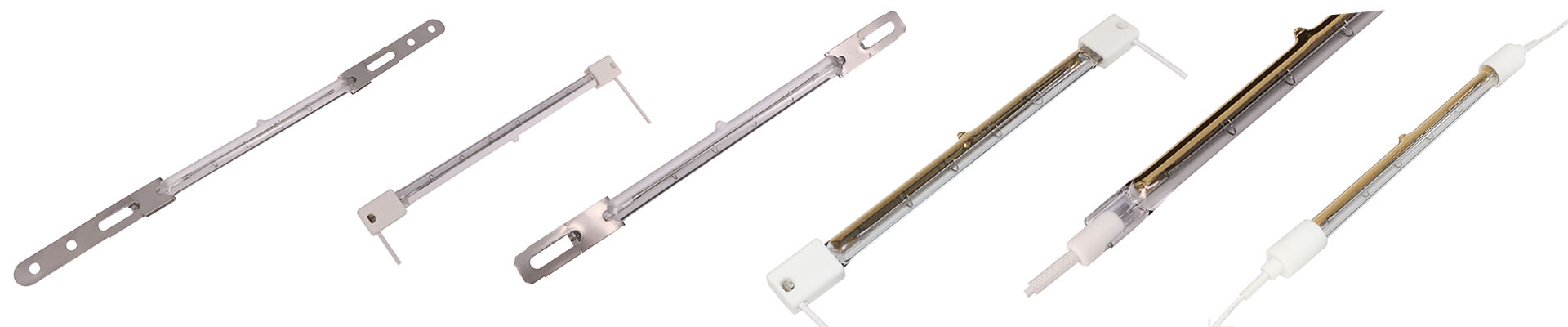
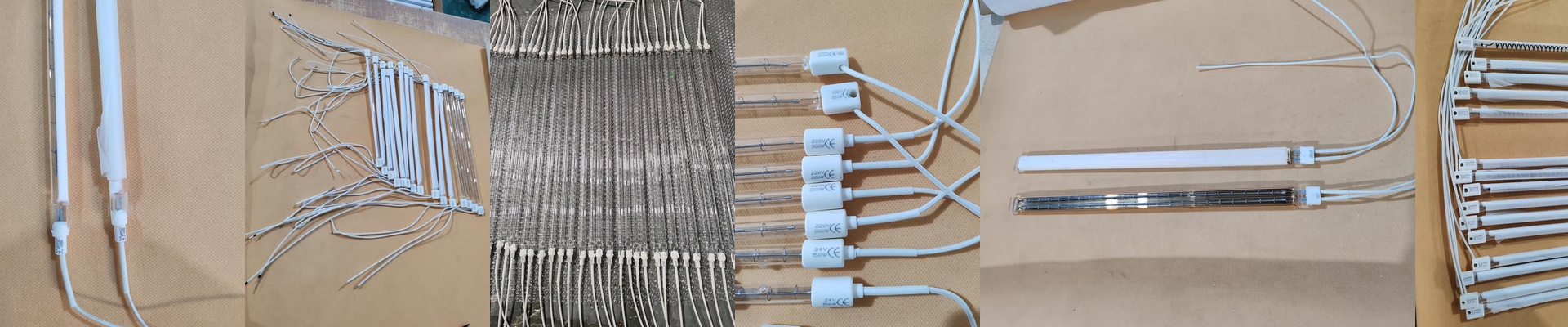
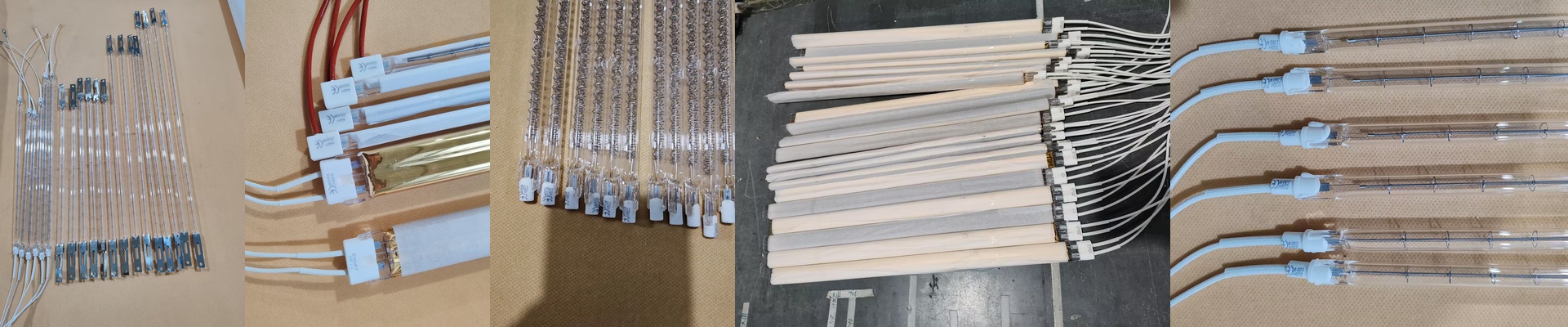
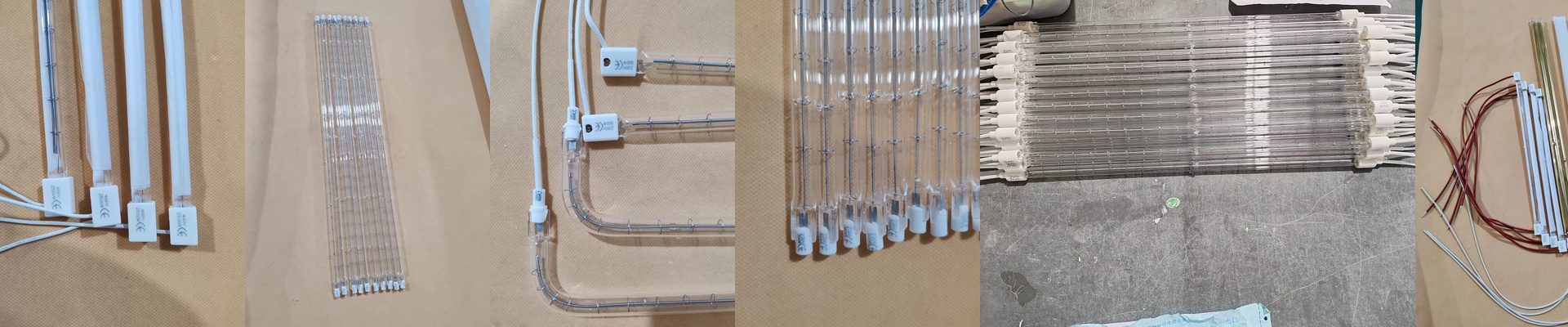
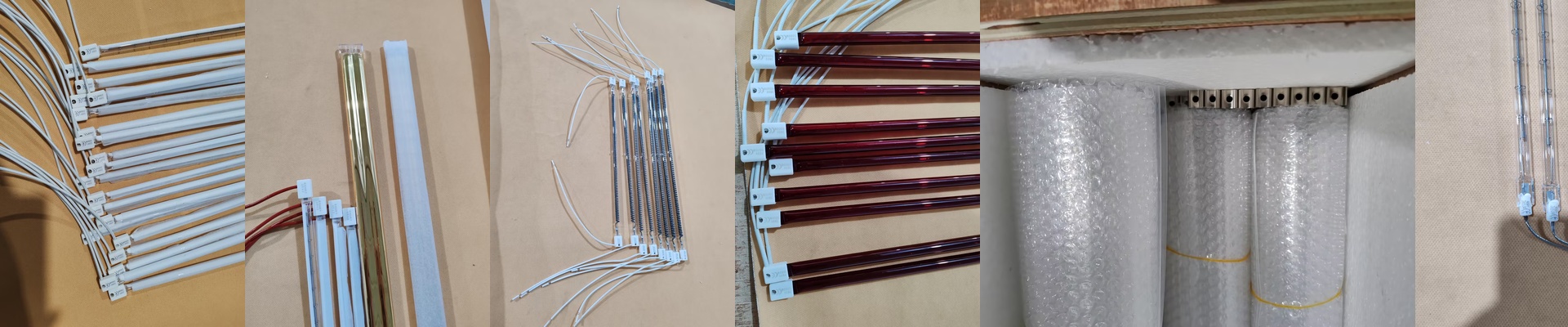
Let’s Talk Halogen Quartz Heating Tubes
Here is the basic deal: you’ve got a tungsten filament tucked inside a high-purity quartz tube, all pressurized with a halogen gas mix. This isn’t just for show. The gas lets the filament run way hotter without just evaporating away, which pushes the heat into that shortwave infrared (SWIR) range.
The Power Side of Things
We design these things to pack a massive amount of wattage into a tiny space. When you’re setting up a high-speed line, you really have to watch the balance between voltage and heat density. If you go with a high-voltage setup, your current draw drops, which means your wiring doesn’t get nearly as hot. But a word of caution: if you try to shove 2000W or more through a short tube, you’re creating an absolute furnace in one spot. Make sure your housing can actually handle that, or you’ll end up with warped reflectors and a bad day.
Materials and the Nitty-Gritty
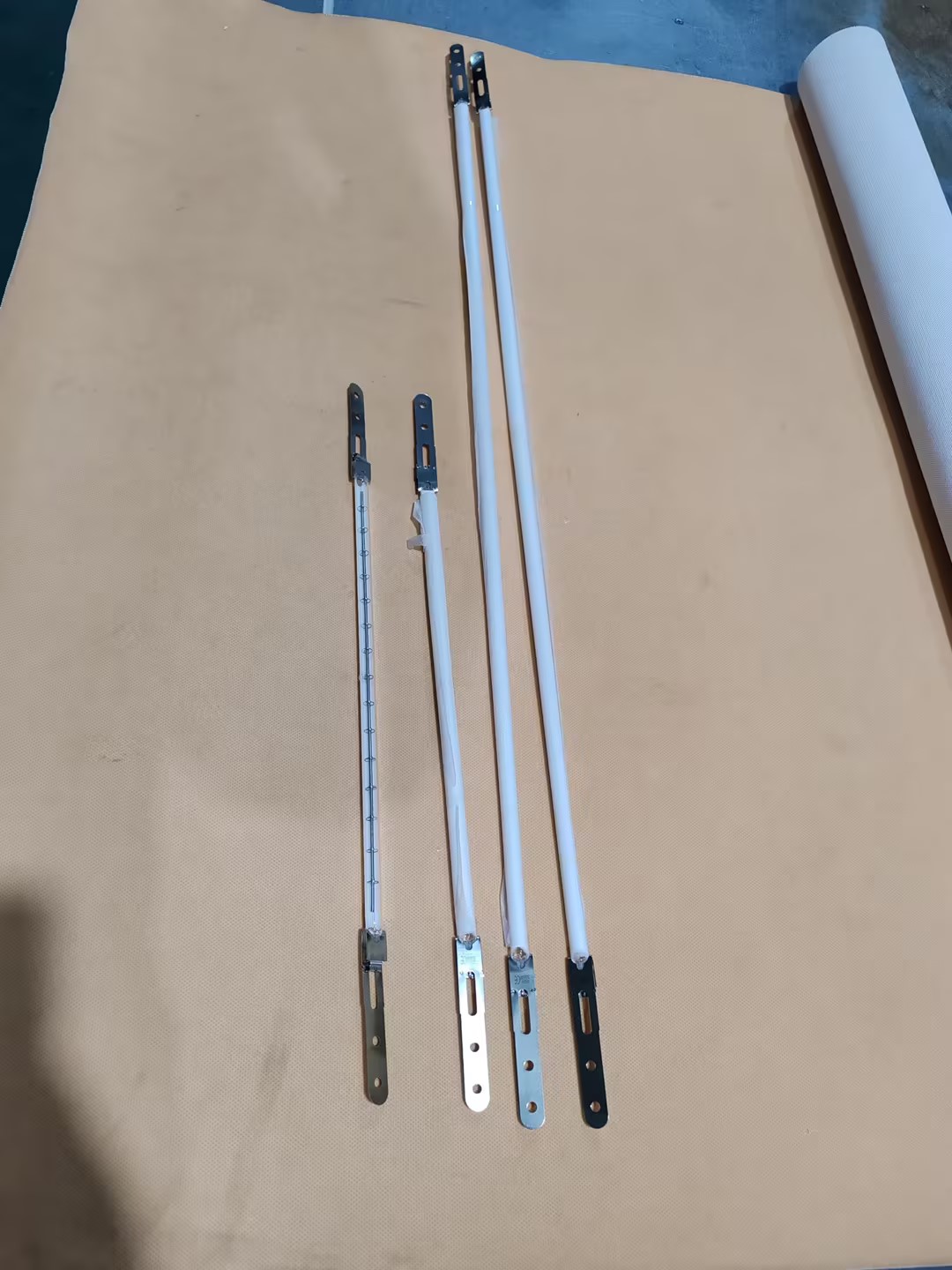
We use quartz glass because it can take the heat and lets infrared radiation pass right through. For the connectors, we usually stick with R7s or Sk15. Why? Because they’re a breeze to swap out. You can just pop a new one in without having to tear apart your entire chassis and rewire everything from scratch. And if you’re working with oils or nasty chemicals, we can coat the quartz. These coatings help the heat “hit” your material more effectively, even if you lose a tiny bit of the raw output.
Making It Work in the Real World
If you’re doing PET blowing or rapid curing, these are your best friend. They hit your target temperature in seconds. It’s an instant response. Traditional band heaters just can’t keep up with that kind of speed. But here’s the catch: they’re fragile. The quartz can handle the heat, but it hates being bumped or touched. Seriously. One single smudge of skin oil from your finger creates a hot spot. When you ramp up the power, that spot becomes a weak point and the tube cracks. **Always use gloves.**And for heaven’s sake, make sure your power source is stable, or you’ll burn out your filament before you even get started.