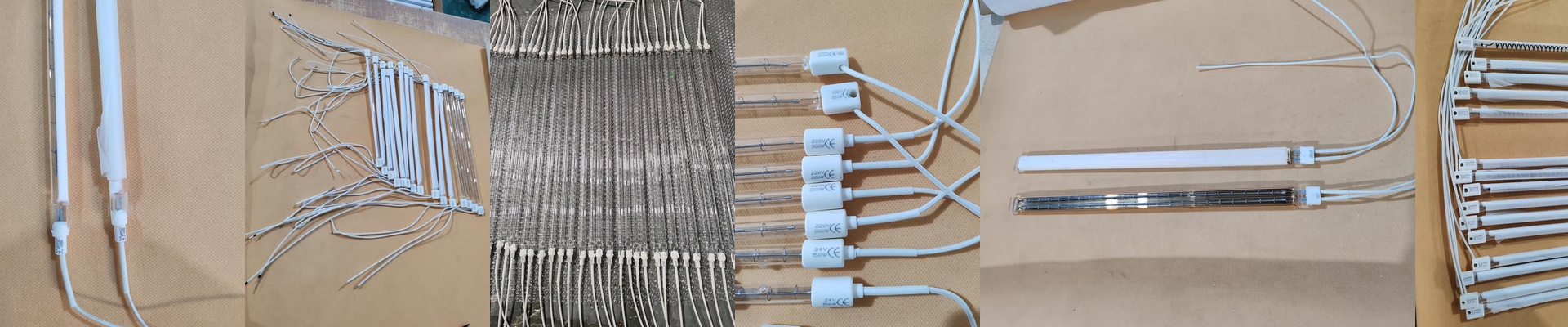
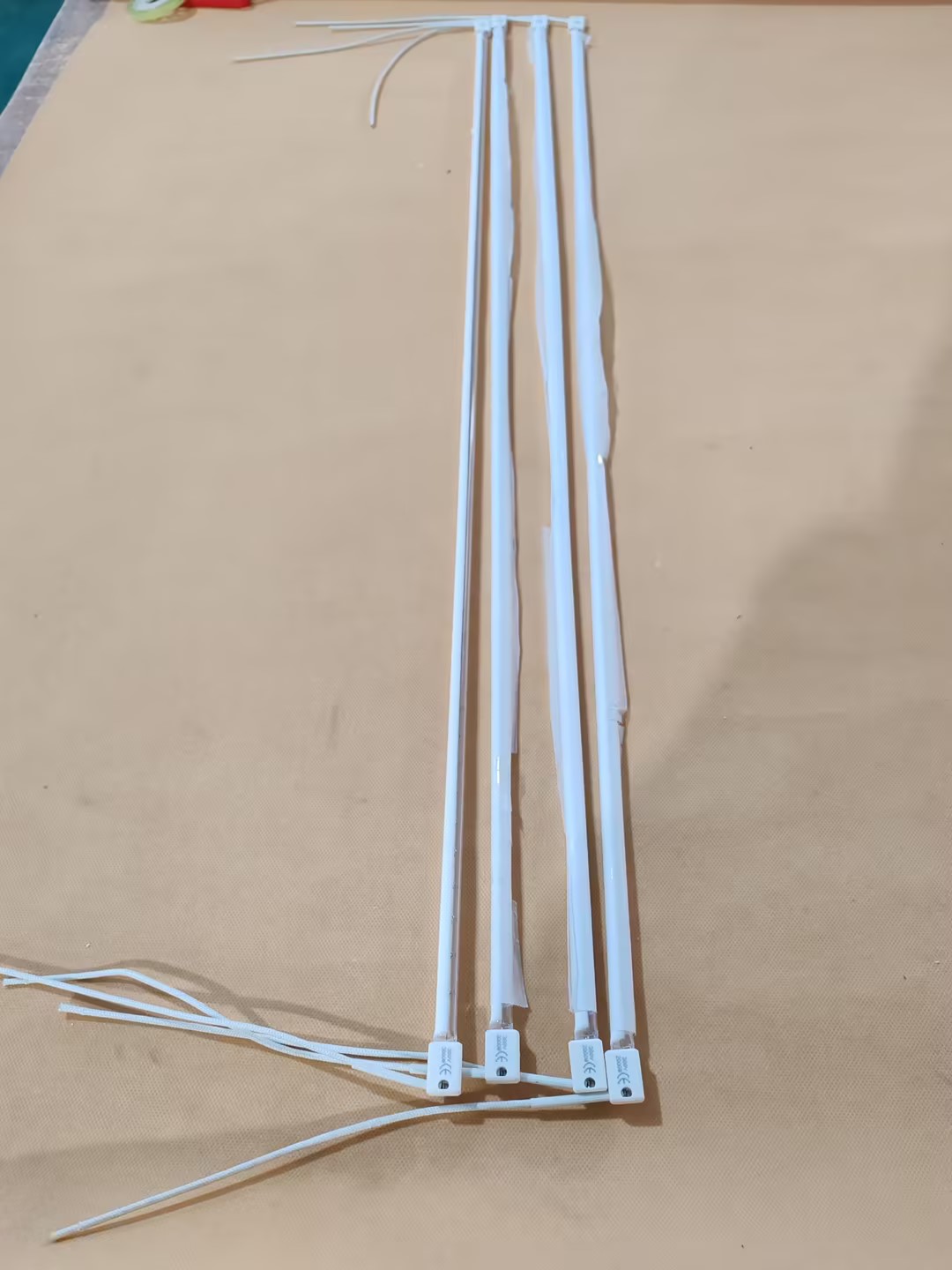
Let’s Talk About Halogen Quartz Heating Lamps
Ever wonder why some heating elements just seem to last longer and hit harder than others? It comes down to the chemistry. We build these lamps using high-purity quartz glass and a tungsten filament, but the secret sauce is the halogen gas we pack inside. Without it, the filament would just evaporate and burn out. With it? You can push the temperature way higher than your standard lightbulb without the whole thing giving up on you.
Getting the Power Right
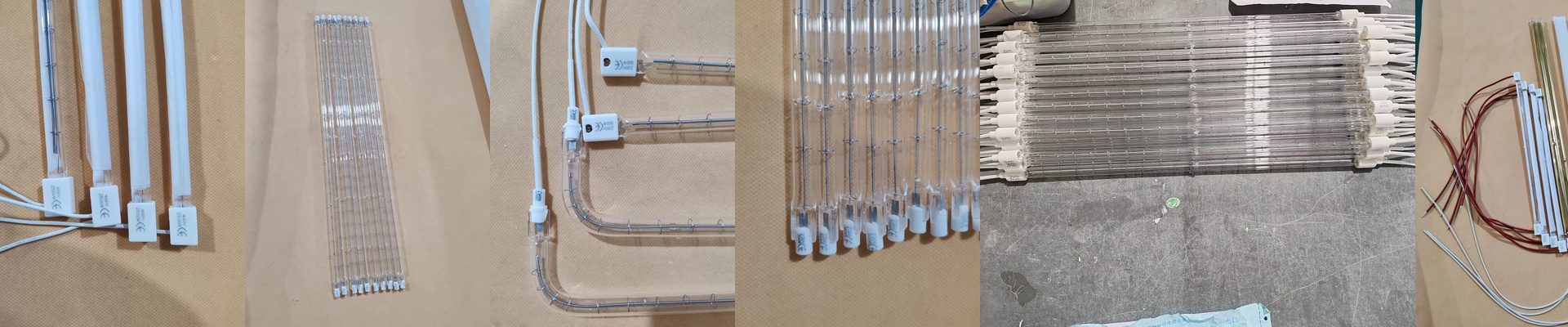
When you’re picking a lamp, it really boils down to how much heat you need to move and how fast you need it. If you go with a high-wattage tube—say, 2000W or more—you’re getting an intense blast of energy. It’s great for when you need to ramp up the heat instantly. But here’s the thing: if you’re using a longer tube (like 300mm or 500mm), you have to balance the voltage carefully. If you don’t, you’ll end up with “hot spots” that can ruin the lamp. And a quick heads-up: these things pull a lot of power. Make sure your wiring and contactors can actually handle the peak current. You don’t want to find out the hard way that your power supply is undersized when something starts smoking.
The Build and the Fit
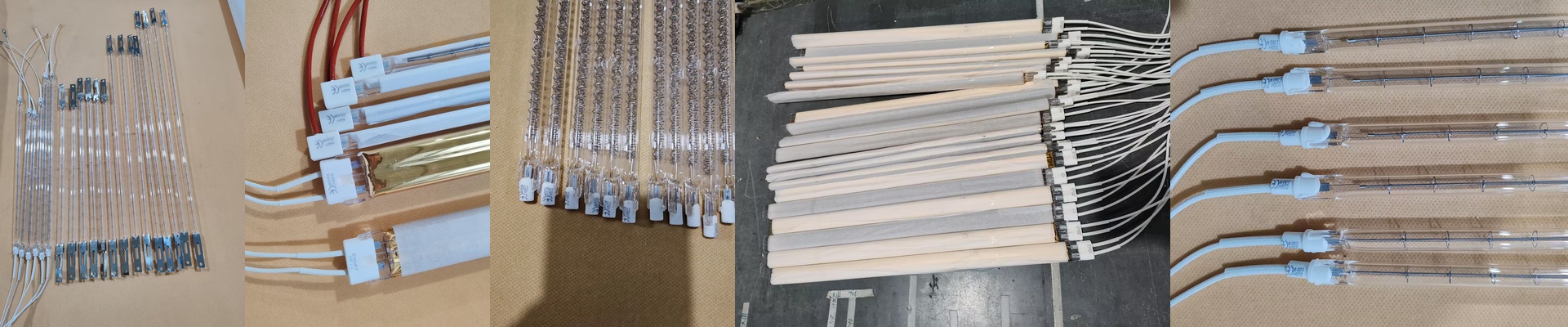
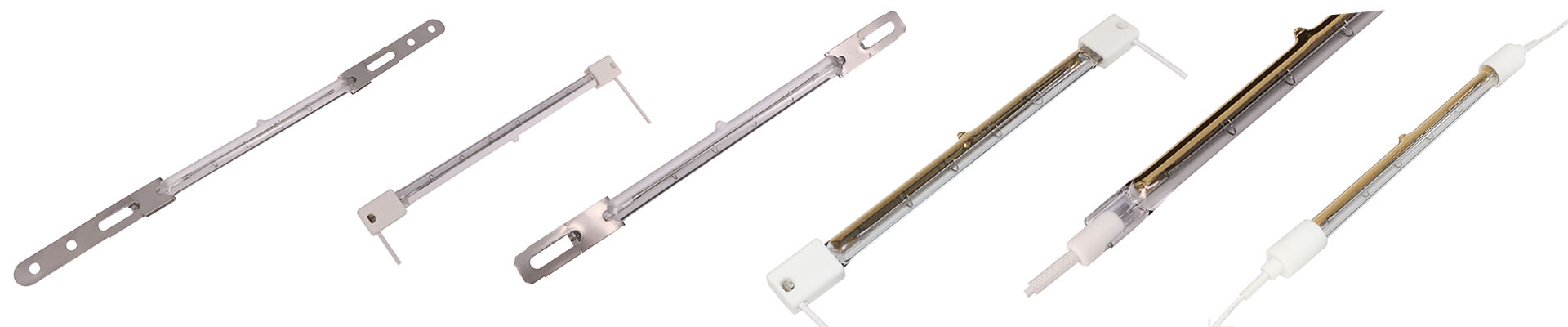
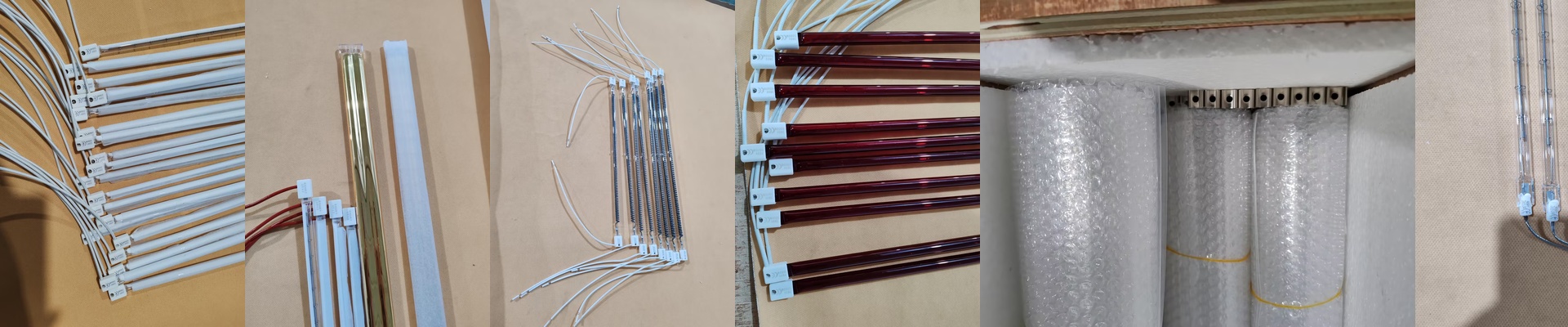
We stick with quartz because it doesn’t crack when things get hot and cold quickly. It just handles the stress. Depending on your setup, we can add a gold or aluminum coating. This basically acts like a mirror, bouncing all that heat forward onto your workpiece instead of letting it waste away into the air. As for the ends, we usually go with R7s or Sk15 connectors. They’re designed to slide right into most industrial ovens. The R7s uses a spring-loaded clip, which is a lifesaver when you’re doing quick maintenance. If your machine vibrates a lot, go with the Sk15. It locks in tight so nothing rattles loose.
Where This Actually Matters
You’ll see these lamps doing the heavy lifting in PET bottle blowing or powder coating lines. They give you that “instant-on” heat to soften plastic or cure resins without turning your entire factory floor into a sauna. Since they use shortwave infrared, the heat actually sinks into the material rather than just scorching the surface. Just a word of caution: these lamps getscary hot. Keep an eye on your cooling fans and make sure your shielding is tight. If something slips, you could actually warp the frame of your machine.