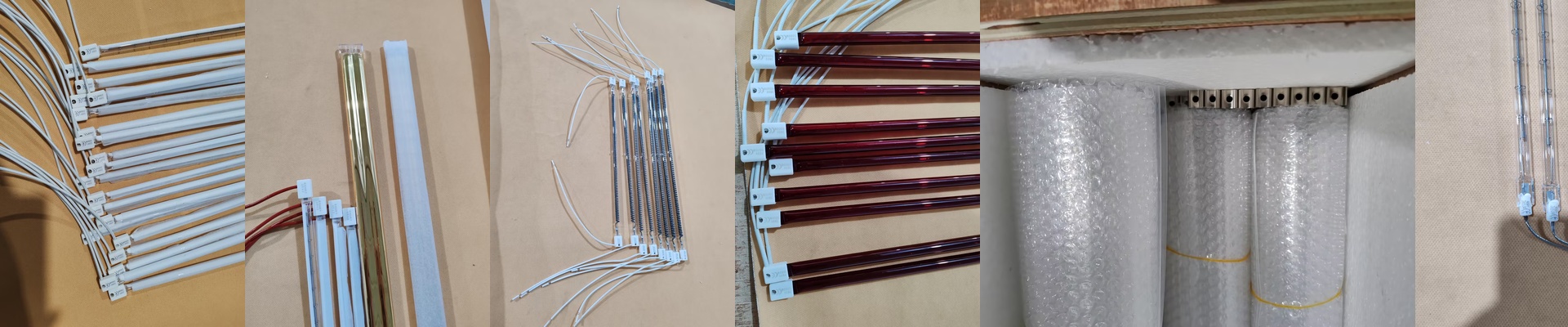
Let’s Talk About IR Halogen Heating
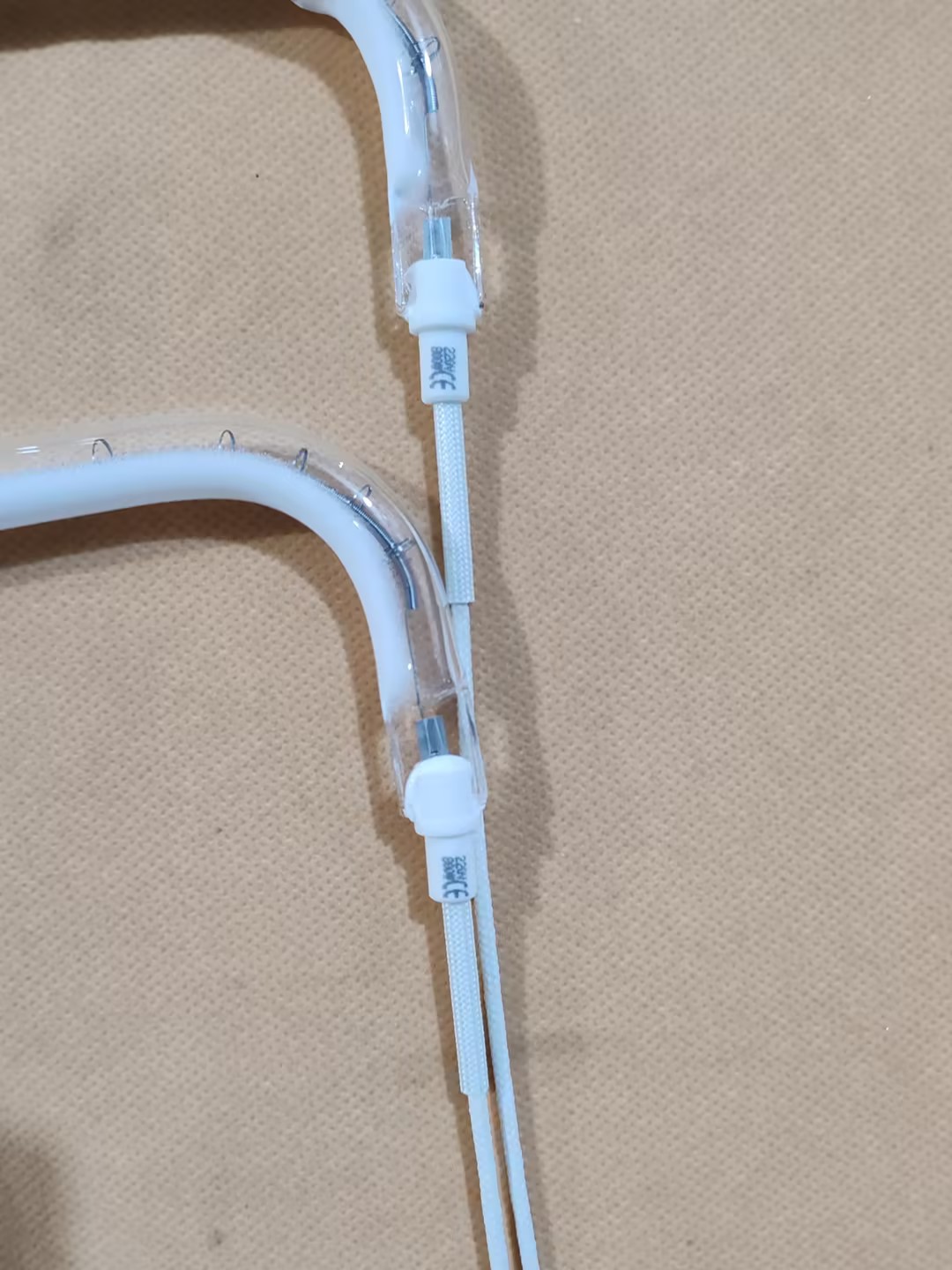
Ever wonder how those IR halogen bulbs actually work? It’s pretty straightforward. You’ve got a tungsten filament inside a quartz tube. When the power hits, it gets hot—fast. Now, usually, tungsten evaporates when it gets that hot, which would turn your glass black and kill the bulb. But we use a halogen gas cycle to push that tungsten right back onto the filament. It keeps the glass clear and helps the lamp last way longer, even when you’re pushing it hard.
Getting the Power Right
When you’re picking out these lamps, it all comes down to heat density. If you go with high-voltage options—like 230V or 400V—you can cram more power into a smaller tube. It’s a great way to get a ton of heat without taking up more space in your machine. A 2500W tube, for instance, puts out a massive amount of energy. **Just a heads-up:**make sure your wiring and power supply can actually handle that draw. And please, check your cooling. If the area around the tube gets too hot, you’re just asking for a burnout.
The Nitty-Gritty: Connectors and Coatings
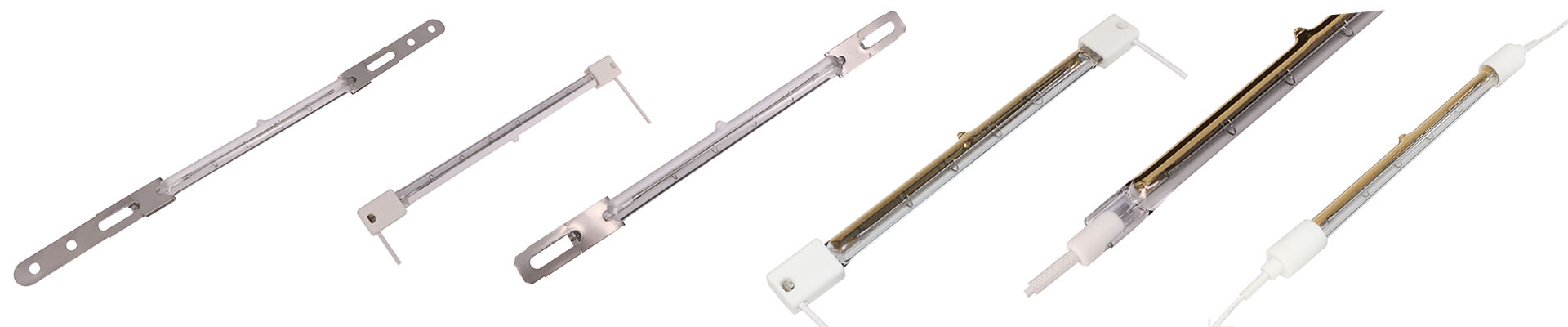
We use connectors like R7s and Sk15 because nobody wants to spend hours fiddling with a lamp during a shutdown. The R7s is a simple push-in fit. You pop the old one out, slide the new one in, and you’re back in business. You’ll also notice some of the quartz glass has a coating. A gold or reflective finish isn’t just for looks—it actually bounces the heat forward. Instead of wasting energy by heating up the back of your machine, you’re aiming all that infrared energy exactly where your material is.
Putting Them to Work
If you’re doing PET blowing or curing plastics, these are your best friend. They hit the target temperature almost instantly. That speed is everything. It cuts down your cycle times and keeps the line moving. Plus, you get a nice, deep heat soak that doesn’t warp your parts. One thing to watch out for: shortwave IR sinks deeper into materials than longwave does. You’ll want to keep a close eye on your timers so you don’t accidentally scorch the surface.