Stop Treating Your IR Lamps Like Disposable Lightbulbs
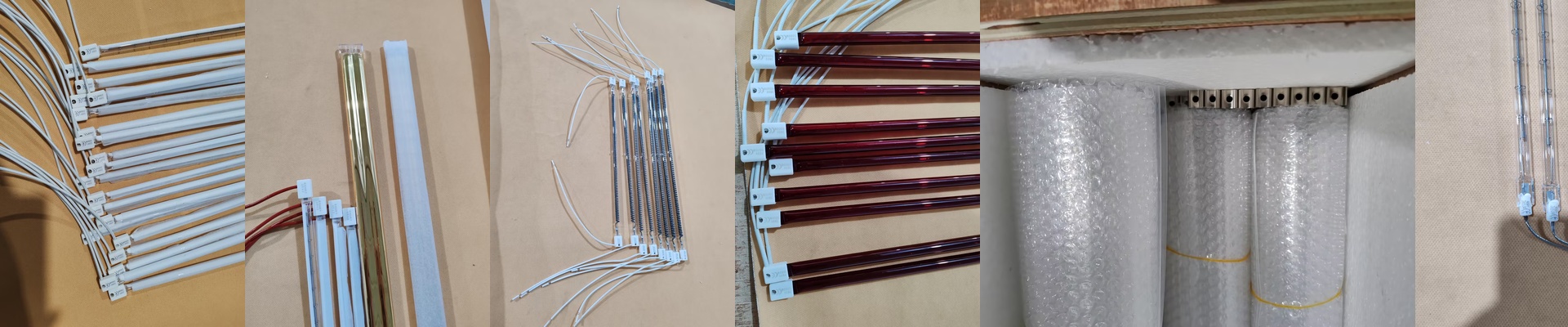
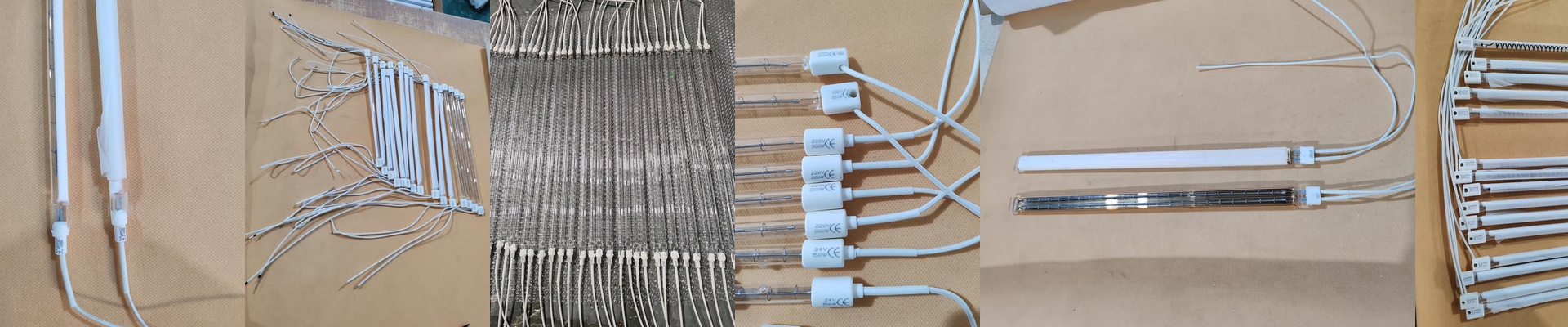
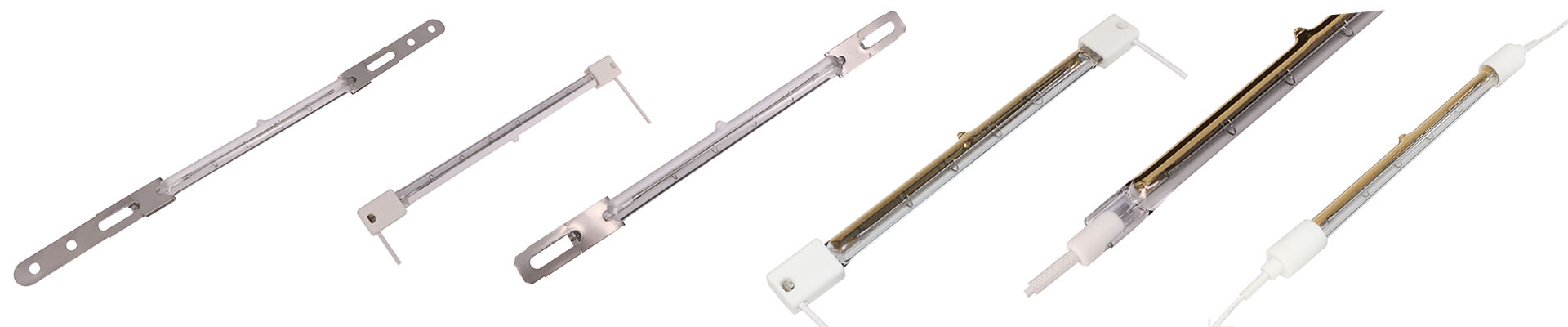
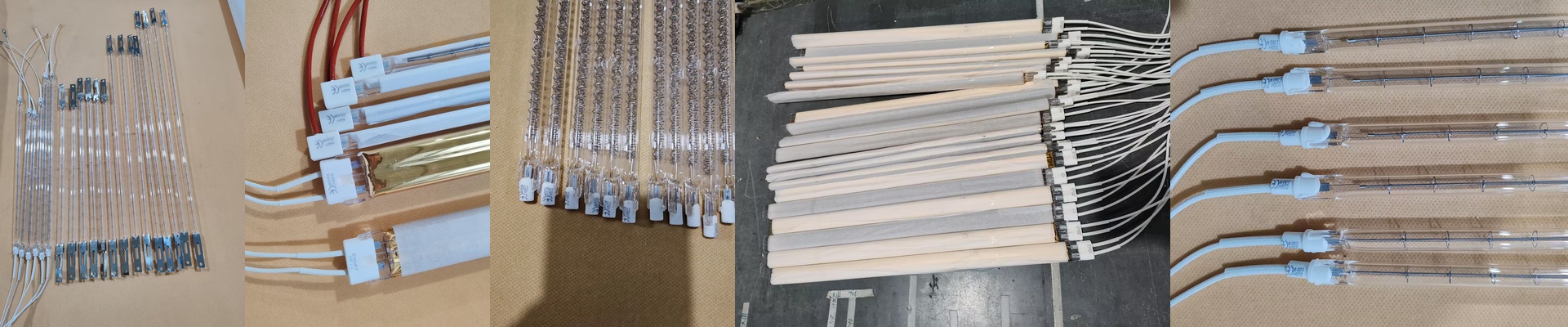
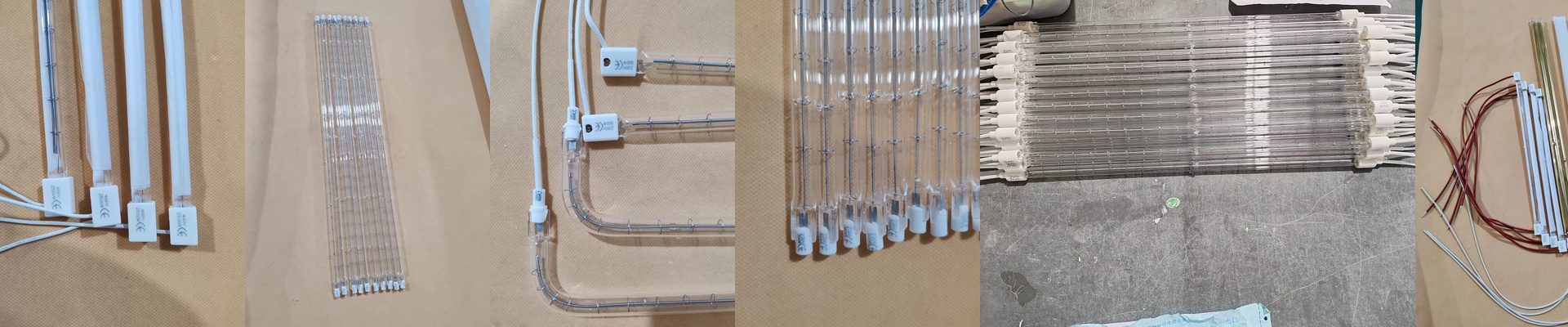
Let’s be honest: having a lamp burn out in the middle of a shift is a nightmare. It’s not just about the cost of the part. It’s the sound of the line stopping, the frustration of your team scrambling to fix it, and the ticking clock of lost production. When you’re running high-volume, those “few minutes” of downtime add up to a massive hole in your capacity. It’s exhausting. The Voltage Trap Here is where a lot of people get tripped up. It’s tempting to over-volt a lamp just to get a bit more heat and speed up the ramp-up time. It works—for a few days. But you’re basically frying the filament. We build our lamps to handle specific power loads so they actually last. The trick is making sure your power supply and the lamp’s voltage rating are a perfect match. If they aren’t, you’re just scheduling your next breakdown. The Hardware That Actually Matters We use heavy-wall quartz for a reason. It protects the halogen cycle and keeps the glass from bowing or getting cloudy when things get hot. It just holds up better. And we don’t believe in making the swap-out a chore. We stick with R7s and Sk15 connectors because they just snap into place. No fussing with wires or guesswork. Your techs can get the machine humming again in seconds and get back to the real work. The Balancing Act Now, there’s a catch. High-density shortwave lamps are incredible for immediate heat, but they put a lot of stress on your electrical setup. If you crank up the wattage to move faster, you have to make sure your cooling fans and heat sinks can keep up. If the housing gets too hot, the lamp basically bakes itself from the outside in. It’s a cycle that ends in a pop and a dead line. The goal is to stop thinking of these lamps as consumables you just toss away. When you pick a spec that actually fits your duty cycle, you stop worrying about replacements and start focusing on your actual output.