PEEK Part Annealing Lamp: Finally, a Fix for That Frustrating Dimensional Instability
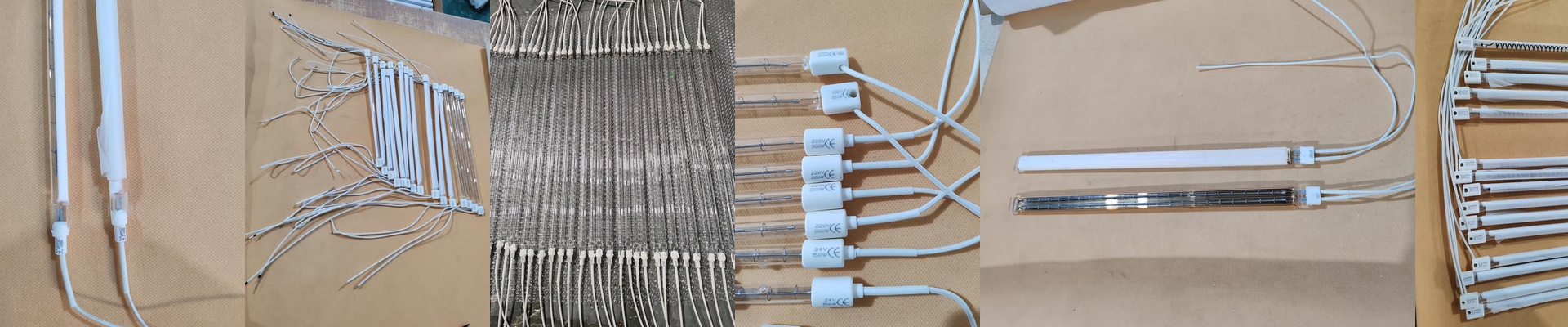
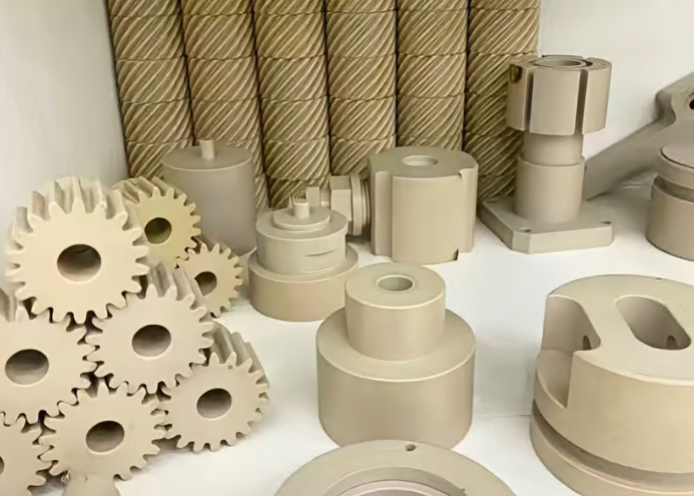
We built this PEEK part annealing lamp for one reason: to stop the headache of warped, out-of-spec PEEK parts coming off the injection molder. It’s a stubborn problem. PEEK just won’t play fair—it needs a high crystallization temperature, and if the heat isn’t even, you get warping, locked-in stress, and parts that miss medical-grade tolerances. So we made a lamp that holds that critical annealing window at ±1°C, using high-precision infrared control. No guesswork. Just steady, repeatable stability.
Power, Voltage, and How Fast It Gets Hot
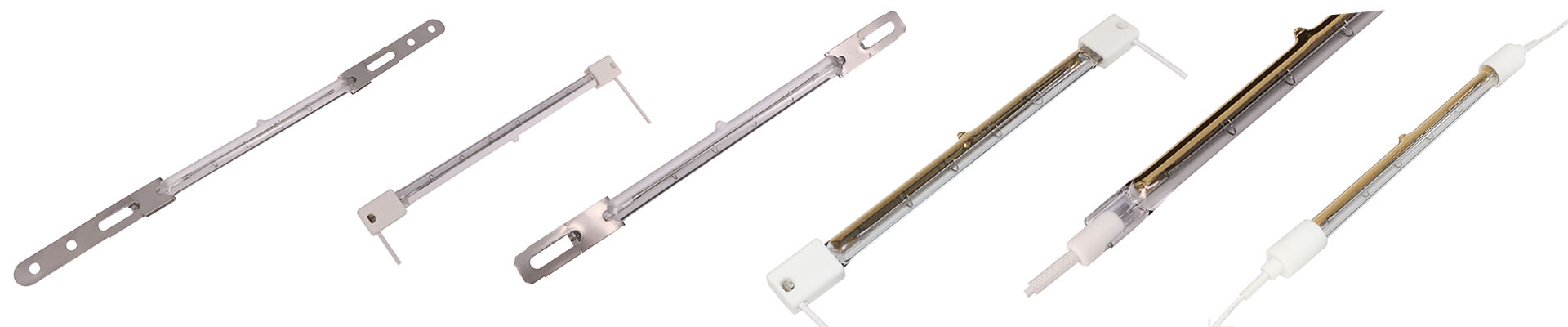
Here’s the thing about this lamp: it’s built to jump to temperature quickly—and do it again and again without drifting. We spec’d it at 400V and 2500W because you need that heat flux to ramp up fast. That means shorter cycles, without losing control. And the size? It’s compact—think a 300mm tube—so it slips into tight annealing chambers and shines right where you need it, focused on the part. That 400V choice wasn’t random. It keeps power delivery stable with lower current, so you don’t get voltage drop down the line. Even when the system runs hard for long stretches, the output stays consistent.
The Inside Story: Halogen, Coated Quartz, and an R7s Connection
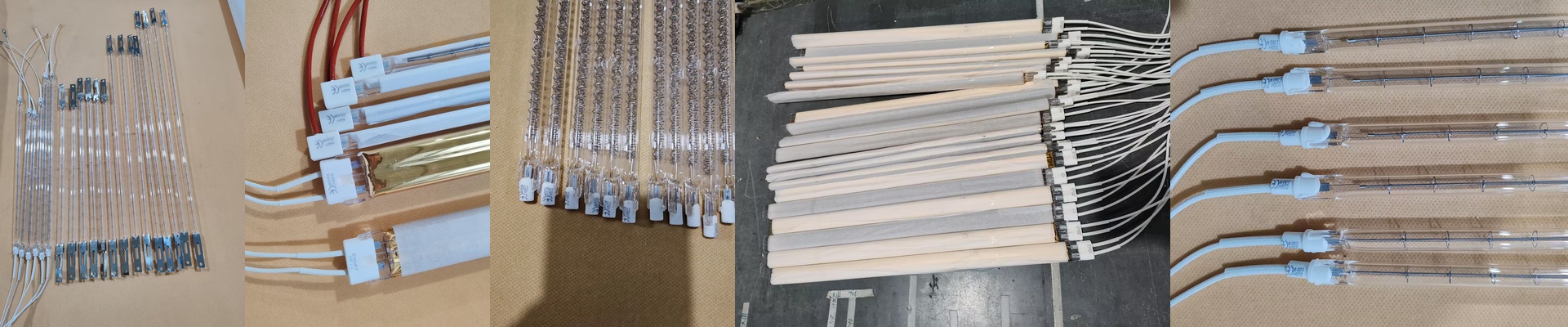
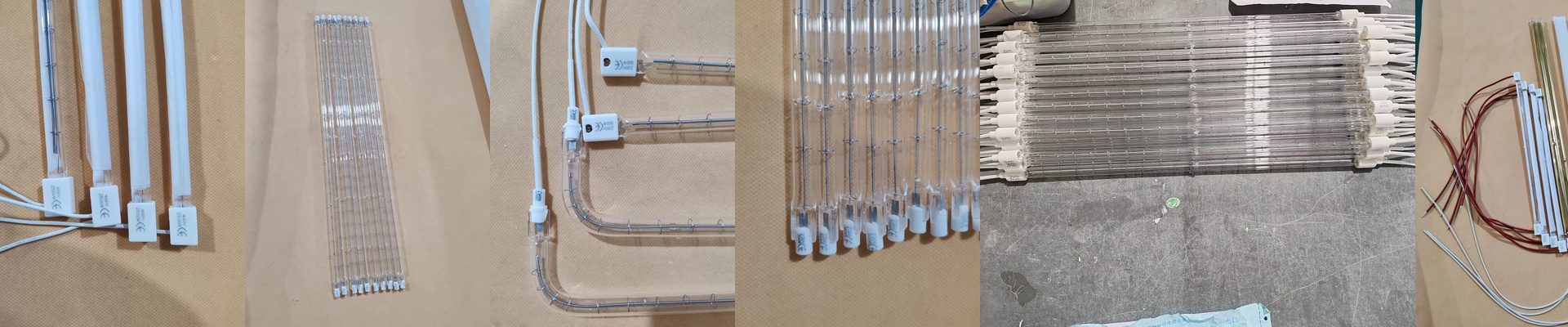
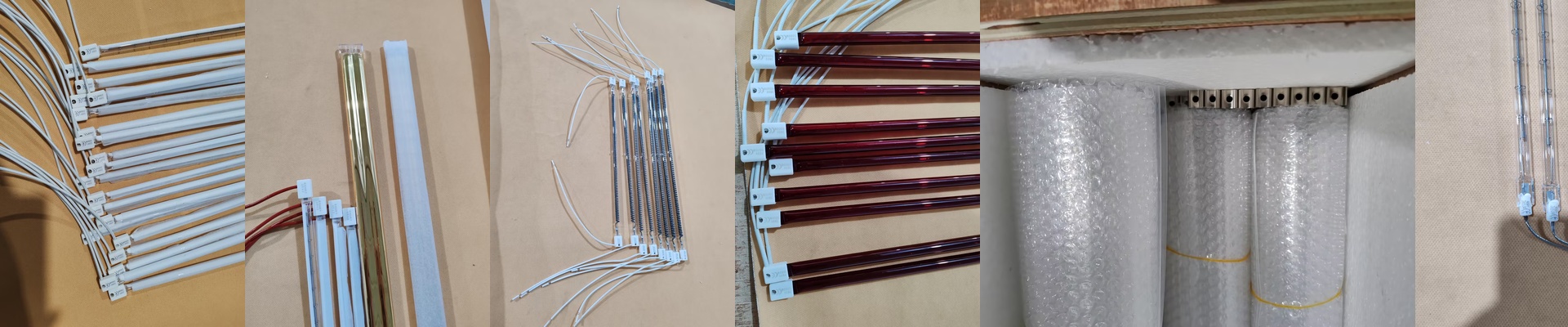
Inside the tube, a halogen element throws shortwave infrared—exactly what PEEK soaks up efficiently. The result? Fast, even heating with low thermal inertia. You’re not waiting around, and you’re not fighting hot spots. The quartz envelope is coated to shape the spectrum and shield the element from hot spots and contamination. That coating also evens out the heat across the tube, so the part gets the same energy density from end to end. And the R7s connector? A smart, practical choice. It’s a standardized two-pin linear contact that handles high temperature, installs fast, and gives you solid electrical contact without a pile of extra hardware. It drops right into common fixtures, so you can wire it up and get running with minimal retooling.
What It Feels Like on the Shop Floor
On the line, this setup just works. You get repeatable annealing for PEEK medical components, with ±1°C control that keeps the polymer in its sweet spot—stress relaxes, and tolerances stay tight after post-molding. The shortwave infrared heat penetrates quickly, so you get uniform warming without scorching the surface. And because the footprint is small and the R7s termination is straightforward, it slots into what you already have. One trade-off to keep in mind: that 2500W density is what gives you the ramp rates you need, but it means your cooling and power setup has to be up to the task. Make sure you’ve got enough airflow, and that your supply can hold steady at 400V when it’s running full time.