Stop Guessing Your Plastic Heating Costs
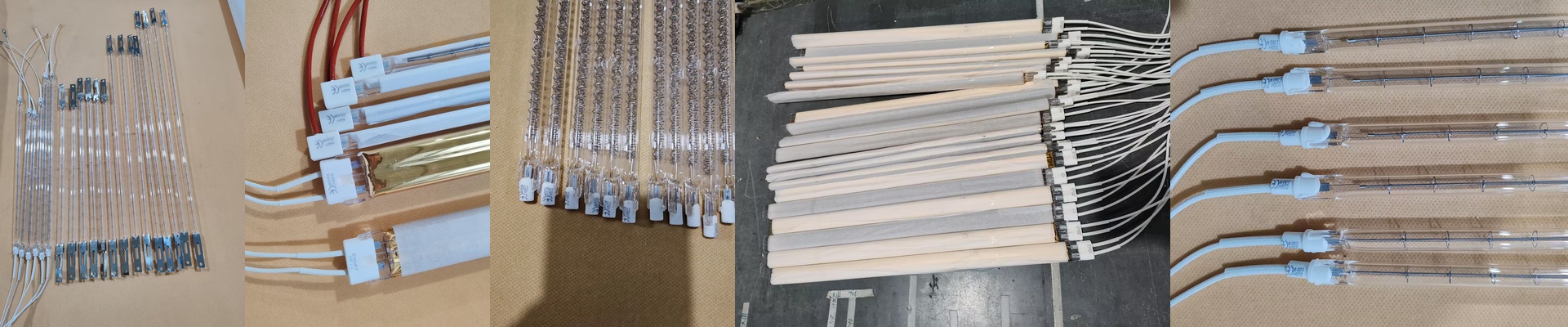
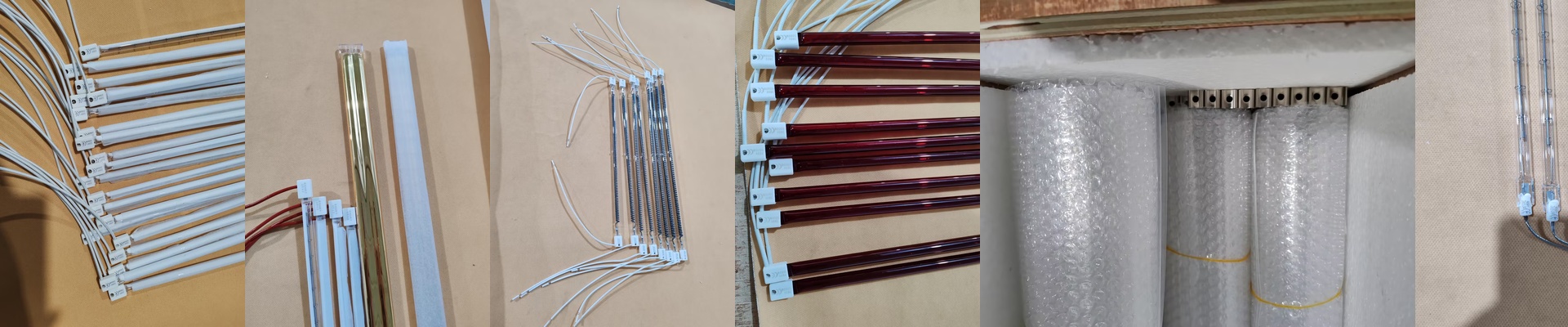
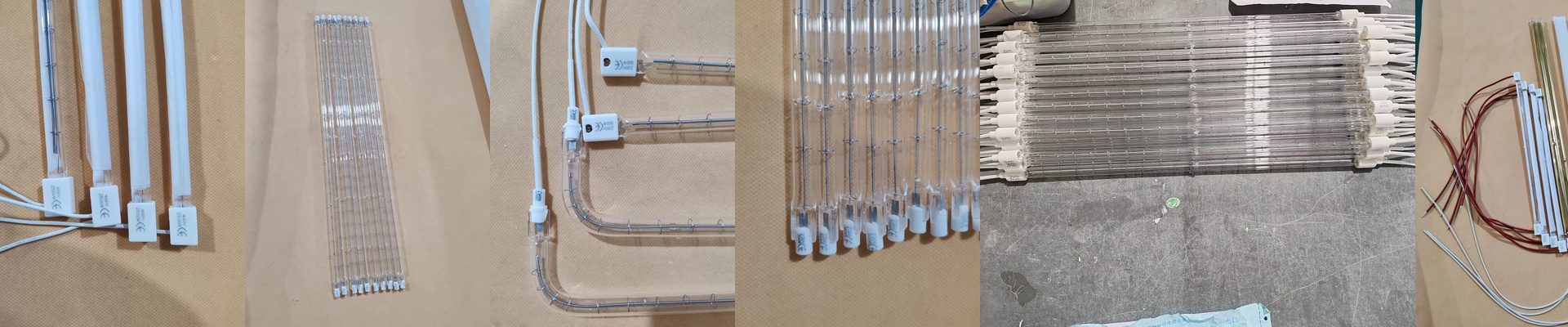
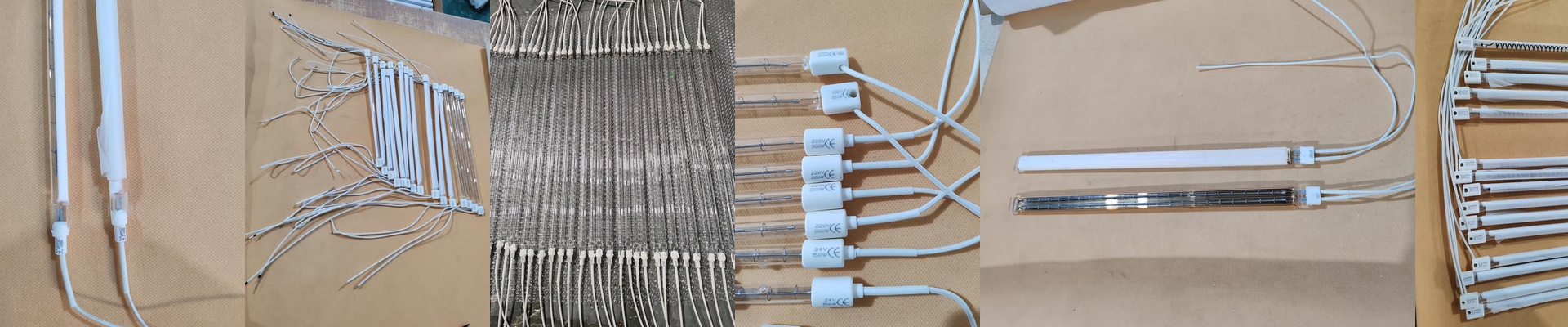
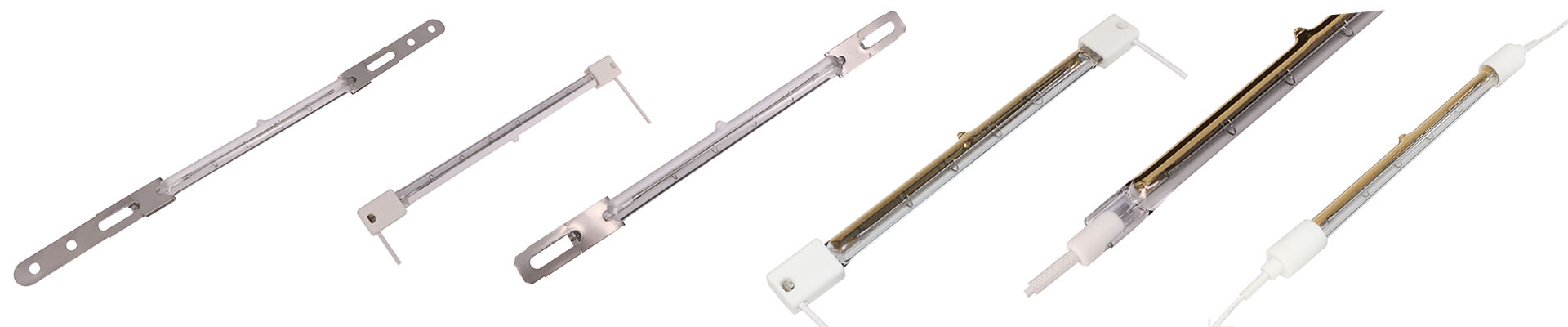
If you’re trying to bring your energy bills down, don’t just go hunting for the cheapest lamp you can find. That’s a trap. The real secret is all about how much heat you’re actually getting out of every watt you pay for. It’s about hitting those temperatures faster so your cycle times drop and your electricity bill follows suit. Let’s talk about a better way to buy. Too many plants are still running on specs from ten years ago that just don’t keep up with today’s speeds. It’s frustrating. So, we do things differently. We suggest a “test-before-you-buy” approach. You take one of our heaters, pop it into a single section of your line, and run it side-by-side with what you’re using now. We watch the ramp-up time and the power draw. Simple. If our lamp doesn’t beat your current setup, we don’t expect you to buy it. No guessing, no risky bets, and no wondering if a new part will actually hold up under the pressure of a real shop floor. Heat density is a balancing act. Sure, high-wattage heaters get things hot fast. But if your voltage is jumpy or your reflectors are dirty, those lamps will burn out before you can blink. We spend our time balancing the wattage and voltage. The goal? Get your PET or PVC to that glass transition temperature quickly, without wasting a ton of energy heating up the air around the machine. You want the heat in the plastic, not in the room. The trade-offs you should know about. Our heaters are designed to be drop-in replacements. You won’t have to rip out your wiring or rebuild your cabinets, which is a huge relief. But here’s the thing: when you push more heat density into a small space, your cooling fans have to work harder. If you’re chasing faster cycle times with higher-output lamps, take a look at your cabinet ventilation. If the air in there gets too toasted, your contactors and relays are going to die a lot sooner than they should. We’ll give you the raw thermal data upfront. That way, you can make sure your cooling system can handle the heat before you roll these out across the whole plant.