Thinking About Switching Your IR Lamps? Here’s the Real Story.
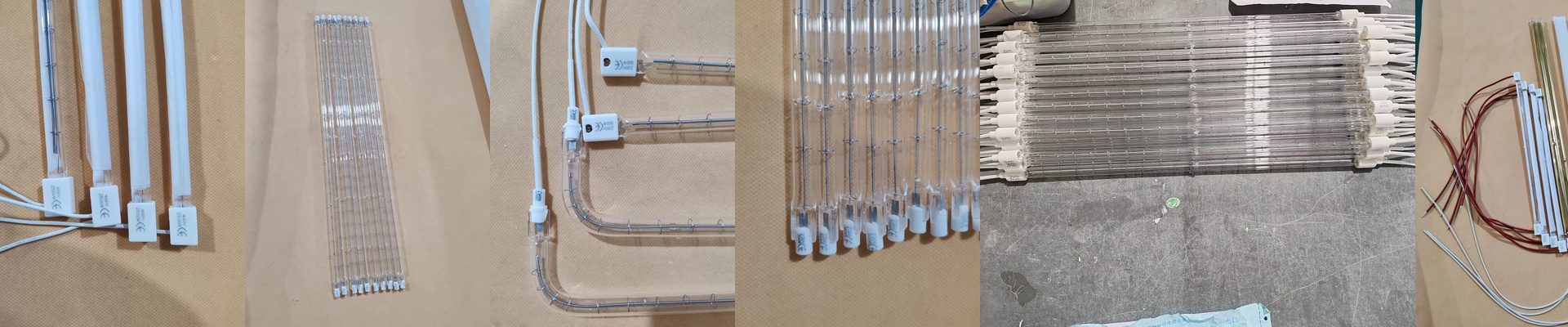
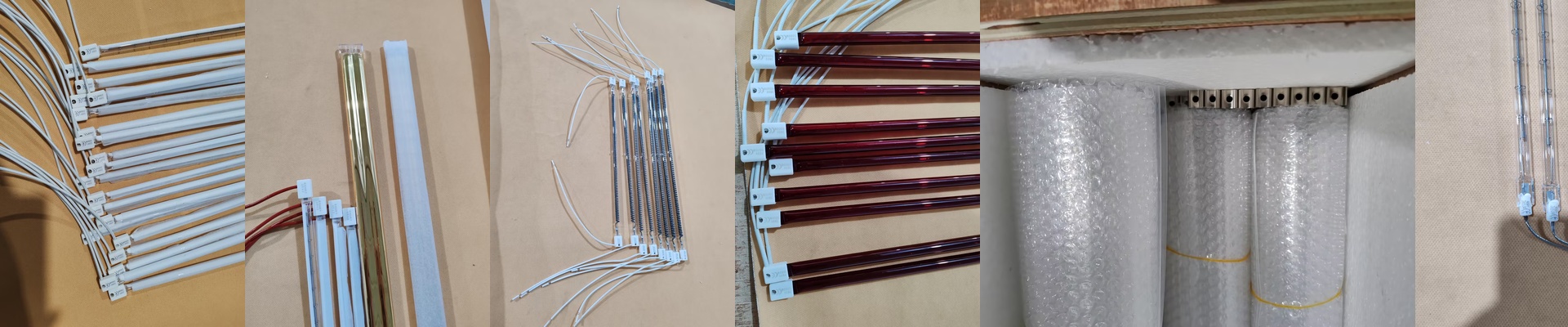
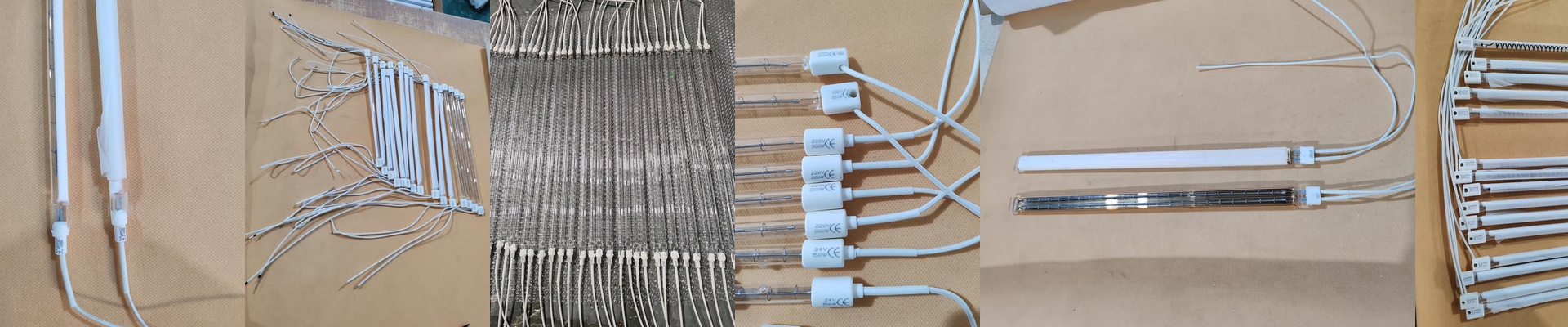
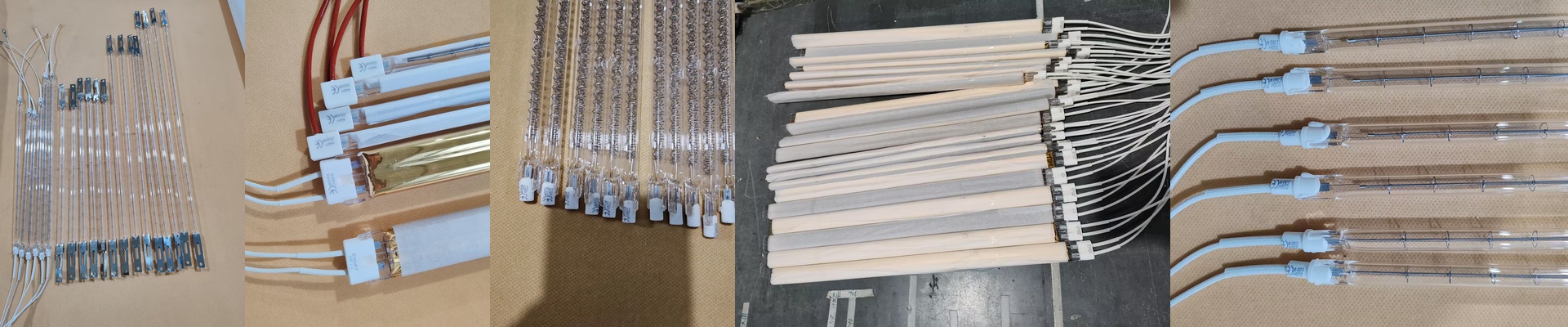
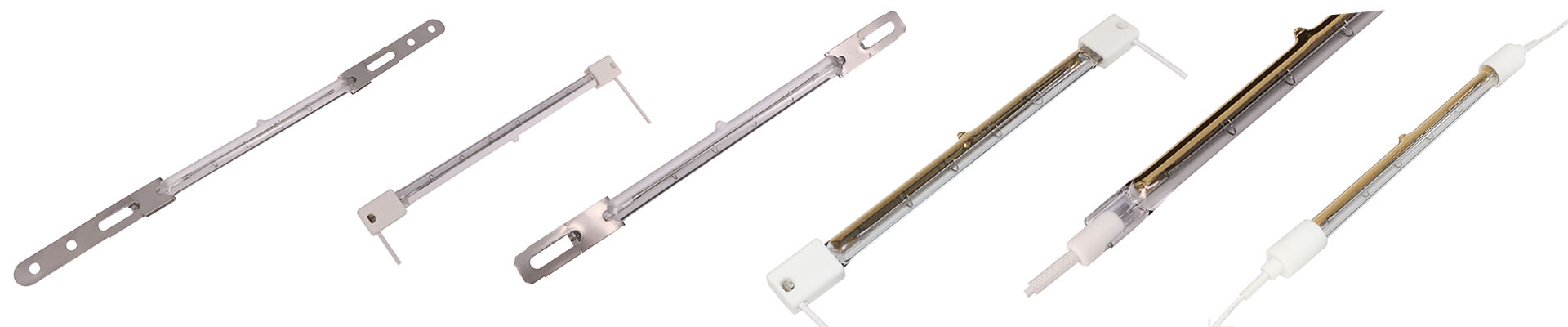
Most automotive molding shops swear by those high-end European infrared lamps. It makes sense. When you’re fighting for tight tolerances, you want gear that doesn’t surprise you. You trust them because they just… work. But when you start looking at domestic “drop-in” replacements, you’ve got to look past the price tag. It’s not really about saving a few bucks per bulb. It’s about making sure your cycle times don’t start drifting the moment you flip the switch. The wattage trap Here is where a lot of engineers trip up: they just match the wattage. You might swap a 2000W European lamp for a 2000W domestic one and think you’re good to go. But if the voltage drop is off or the filament length is different, your heat distribution shifts. Suddenly, you’ve got hot spots. We spend our time obsessing over the footprint and the quartz glass emissivity. It matters. Short-wave hits the plastic fast. Medium-wave digs deeper. You’ve got to pick the one that actually fits the thickness of your polymer, or you’re just guessing. Why some bulbs just die There’s a reason those big European brands have a reputation. They use incredibly pure quartz and precise halogen fills. Cheap alternatives? They tend to burn out early or just lose their punch after a few hundred hours. To fix that, we use high-purity synthetic quartz. It keeps the filament centered. Why does that matter? Because when a filament sags, your focal point shifts. One minute your parts are perfect, the next, your consistency is gone. It’s a nightmare to troubleshoot. The honest trade-offs Look, moving to a more cost-effective supplier helps your bottom line, but it isn’t “plug and play.” You can’t just wire it up and walk away for a month. You’ll need to spend some time recalibrating your PID controllers to handle the way the heat ramps up. And a word of caution: keep an eye on your cooling system. If you’re already running it at the limit, be careful. Putting higher heat density into a smaller footprint can spike the temperature around your electronics, and that’s a headache you don’t want.