Stop Overpaying for IR Heating
Let’s be honest. A lot of engineers think that if they want top-tier thermal output, they have to shell out a premium for a big name like OYATE. We see it all the time. But here’s the thing: heat is just physics. It doesn’t care about a logo. We focus on the actual science of heat transfer and where the materials come from. Our goal is simple: give you a drop-in replacement that hits every technical spec you need, without the “brand tax.”
It’s all about the density
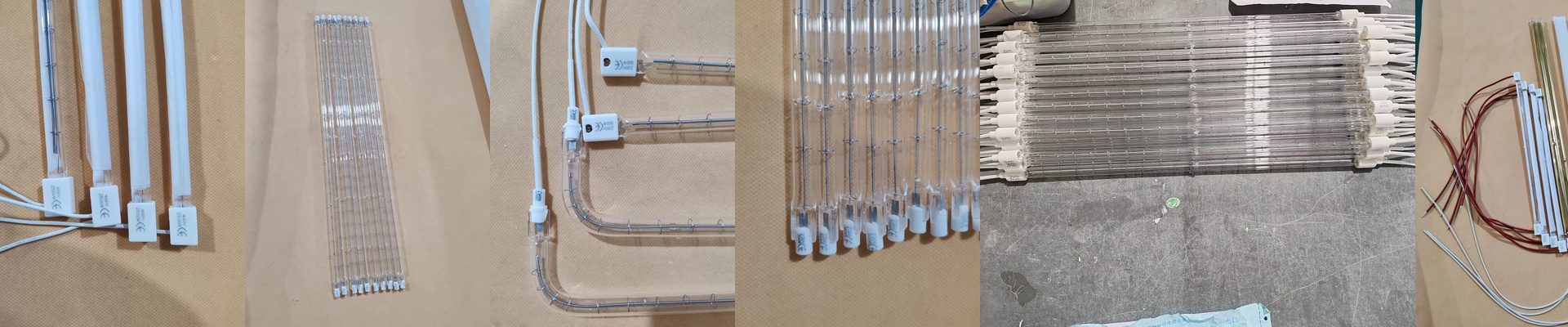
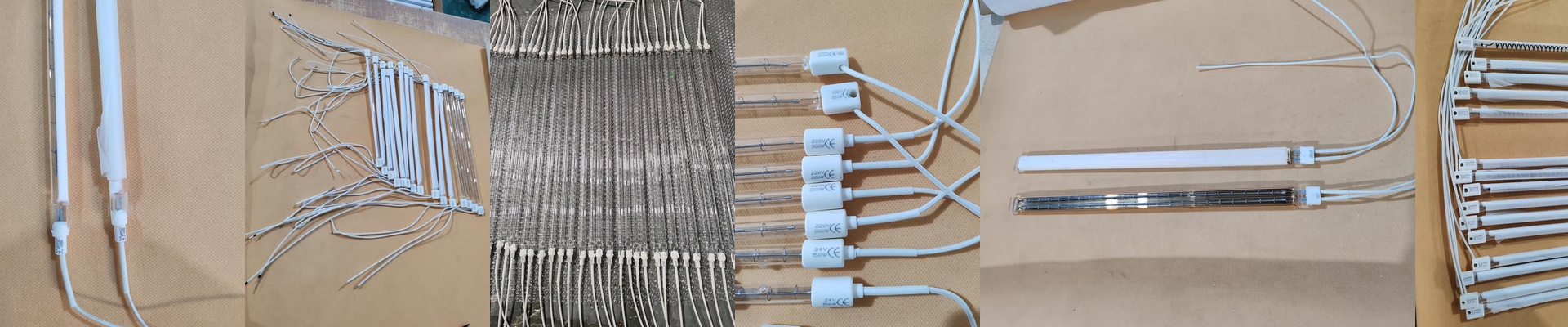
When you’re doing PET blowing or plastic forming, you need a very specific amount of wattage per centimeter. If you don’t hit that mark, the material won’t reach its glass transition temperature fast enough, and your whole process slows down. We build our lamps to match those exact power densities. By tweaking the tungsten filament geometry and the thickness of the quartz, we get the same radiant output as the expensive guys. Your thermal footprint stays the same. Your cycle times don’t budge.It just works.
No “magic,” just standards
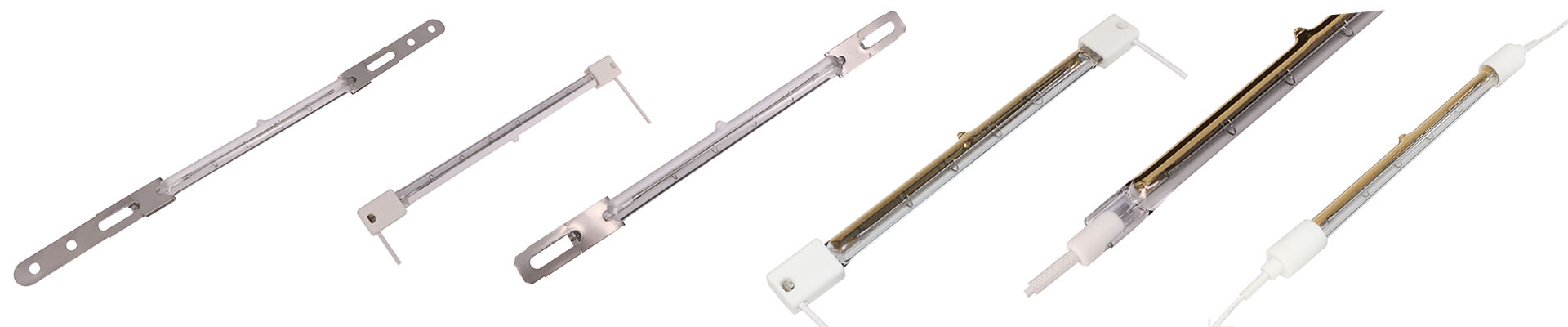
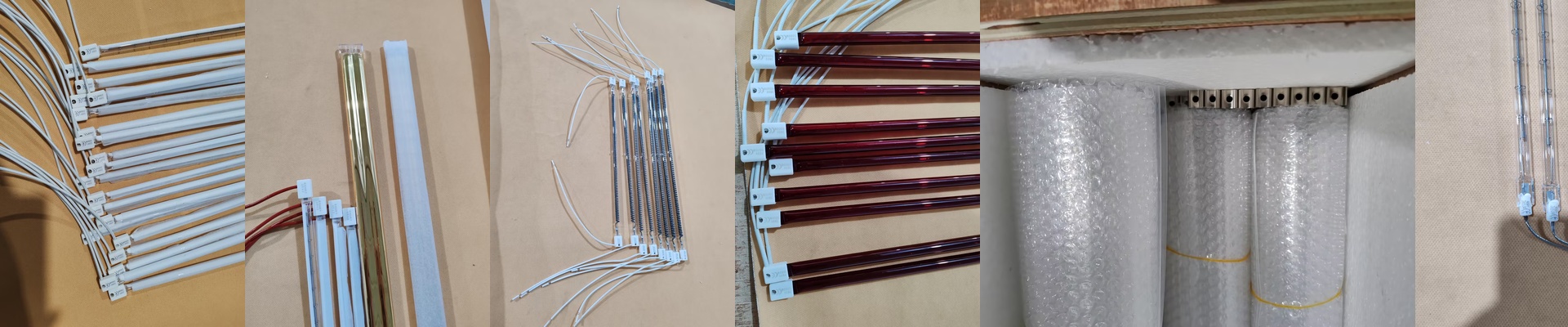
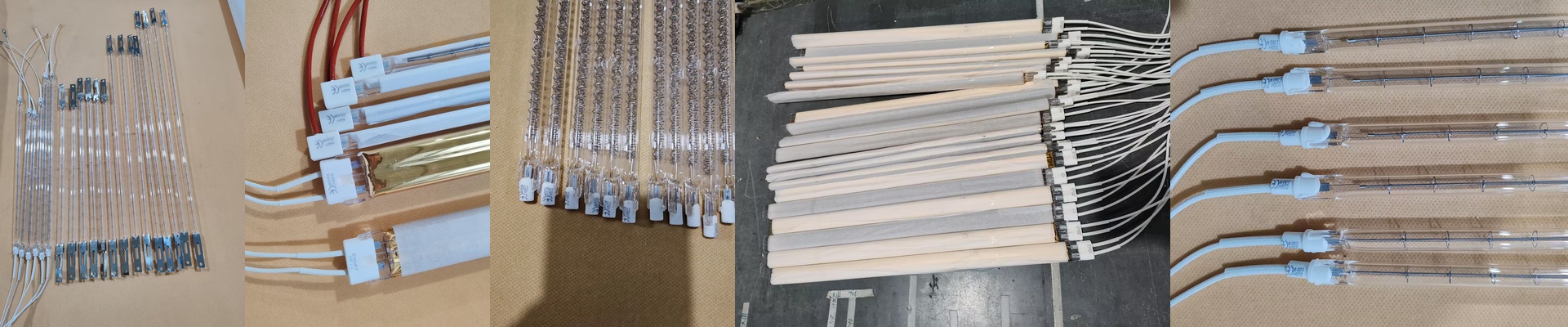
We use high-purity quartz glass because, frankly, it stops the lamps from burning out too early. For the high-voltage stuff, we stick to R7s or Sk15 connectors. They aren’t fancy. They’re industry standards. That’s the point. You can wire them right into your existing controllers without hunting for weird adapters or custom harnesses. Plus, we offer coated options if you need to shift the emission spectrum. This lets the heat soak deeper into the plastic instead of just scorching the surface. It’s a matter of matching the wavelength, not some secret brand magic.
The reality check
Here is a bit of a warning: high-wattage tubes put out a massive amount of heat. If your machine’s cooling system isn’t up to the task, the ambient temperature around the lamp housings will spike. If your ventilation is junk, any lamp—no matter how much you paid for it—is going to fail early. We’ve stripped away the marketing fluff to focus on the tolerances that actually matter. You get the same voltage stability and the same lumen output. We just cut out the middleman.