Stop Overpaying for Brand Names in Plastic Heating
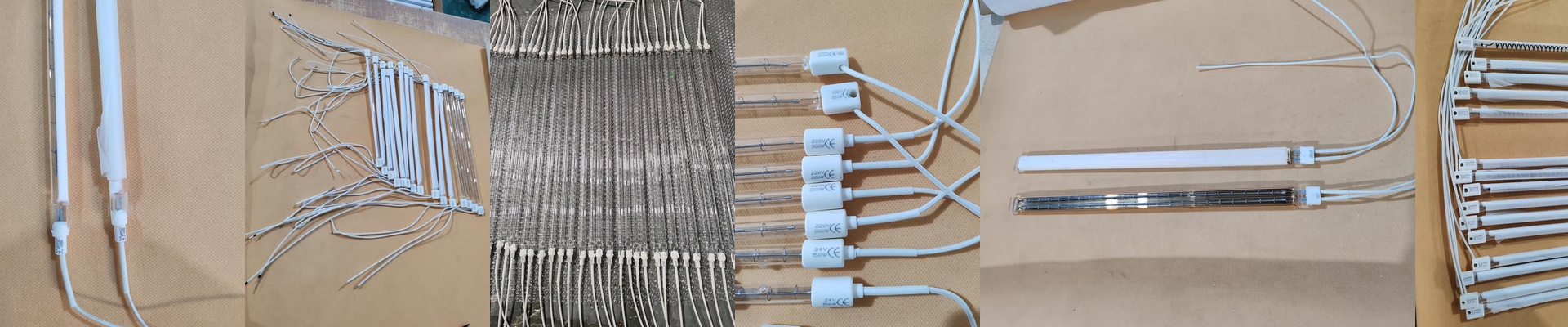
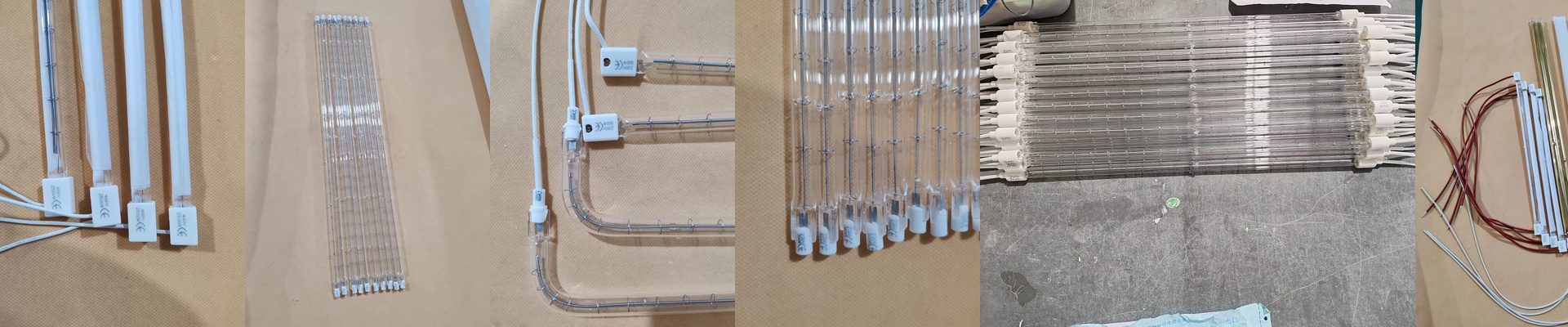
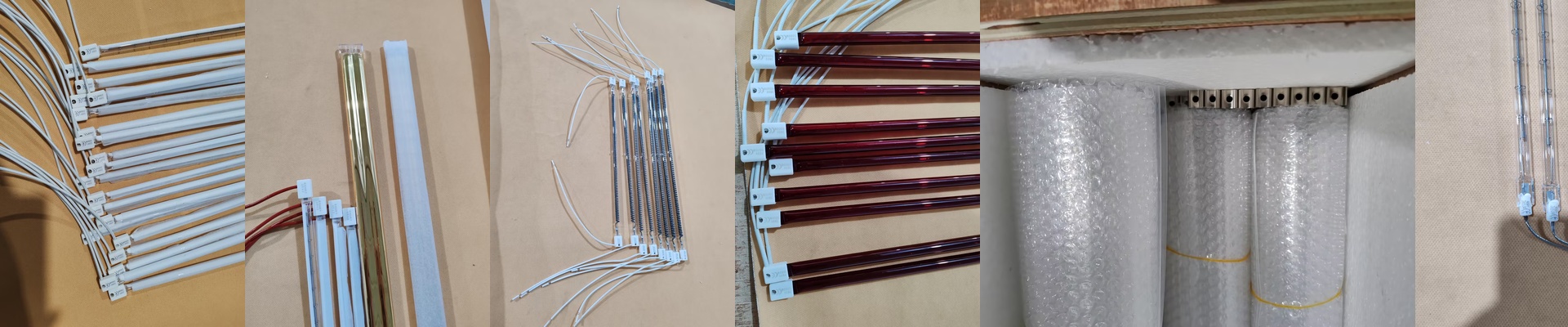
Most automotive injection molding lines come standard with European infrared (IR) heaters. Look, those brands are great, and people trust them. But here’s the thing: plastic doesn’t care where a lamp was manufactured. It just needs heat. When we talk about using domestic alternatives, we aren’t talking about “cheap” replacements. We’re talking about matching the exact thermal density and spectral output of the original gear.
The stuff that actually matters
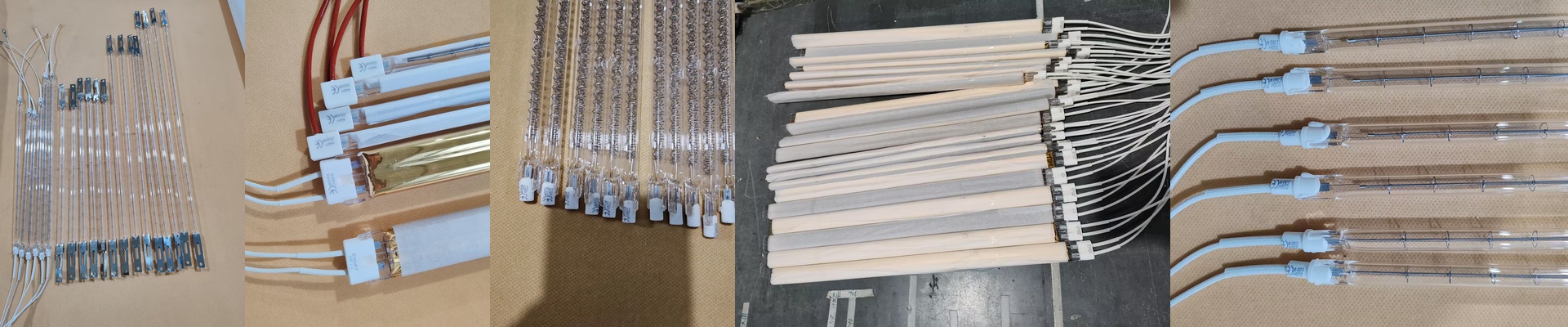
If you want to swap a European heater for a domestic one without messing up your cycle times, you can’t eyeball it. The wattage and voltage have to be spot on. If you’re running 230V or 400V, even a tiny slip in resistance changes your heat flux. That’s why we obsess over the tungsten filament grade and the thickness of the quartz tube. I’ve seen too many cheap tubes that weren’t annealed properly—they just crack the second the cooling fans kick in. It’s a nightmare.
Getting the wavelength right
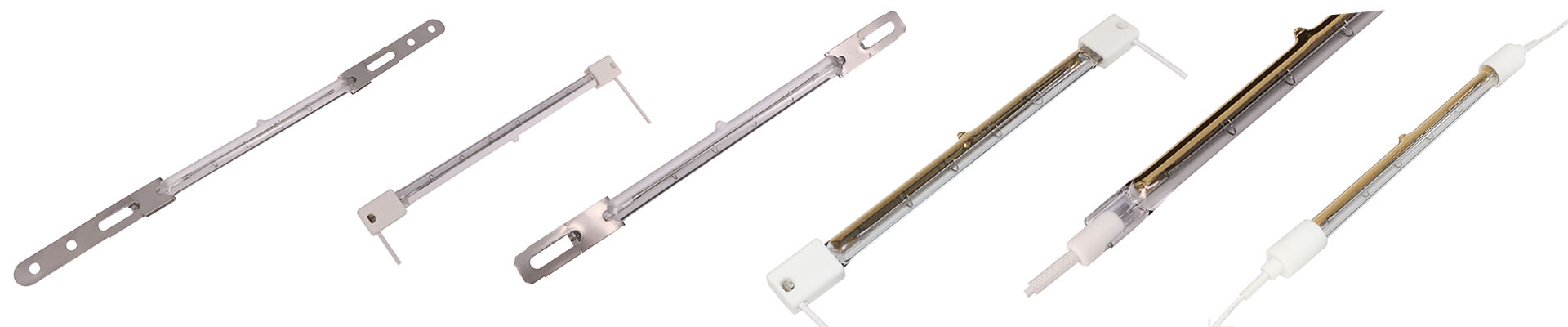
Most of the time, automotive plastics need short-wave or medium-wave IR. We use specific coatings to make sure the wavelength hits the “sweet spot” for that specific polymer. If that coating is off by just a few microns? You’re in trouble. Instead of the heat soaking into the plastic, it just scorches the surface. And please, make sure the pins seat tight in your R7s or SK15 sockets. If they’re loose, you get arcing. And arcing is a fast track to a burnt-out socket.
The real trade-off
Switching to a domestic supplier is a great way to lower your OpEx. But let’s be honest about the tolerances. Those high-end European lamps are incredibly tight—usually within +/- 5% on wattage. Our domestic options might be closer to +/- 10%. If you’re only using one lamp, you won’t even notice. But in a massive heating bank? Those little gaps can create cold spots across your workpiece. It’s not a dealbreaker, but you’ll want to tweak your PID controllers to smooth out the heat distribution.