Stop Paying the “Brand Tax” on Your Quartz Heaters
I talk to a lot of engineers who swear by high-end imports for PET blowing and thermoforming. Usually, it’s because they’re worried. They’ve been told that domestic tubes will just burn out or won’t hit those aggressive temperature ramps they need to keep the line moving. But here’s the thing: we’ve actually run the numbers in head-to-head tests. When you match the voltage, wattage, and spectral output, the performance is identical. The only real difference? The price tag. And the import one is usually massive.
Let’s talk about the heat
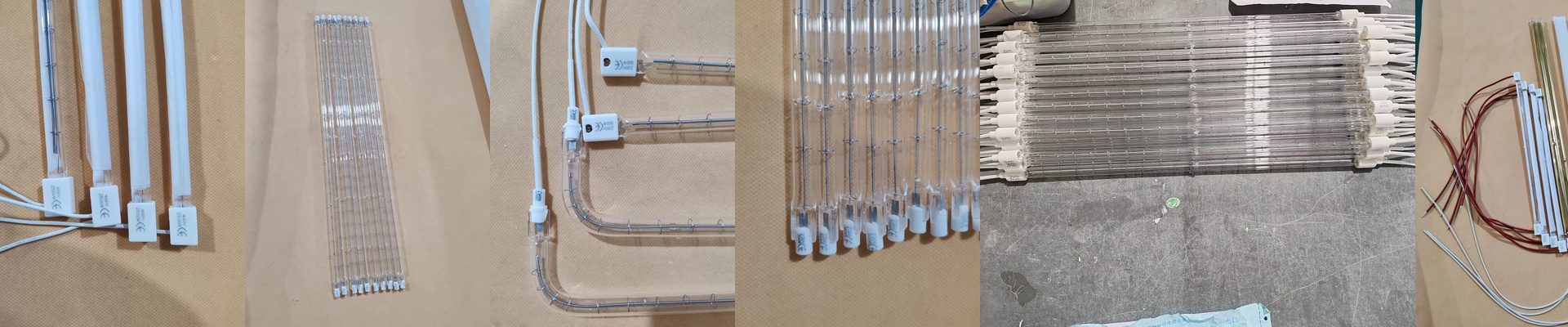
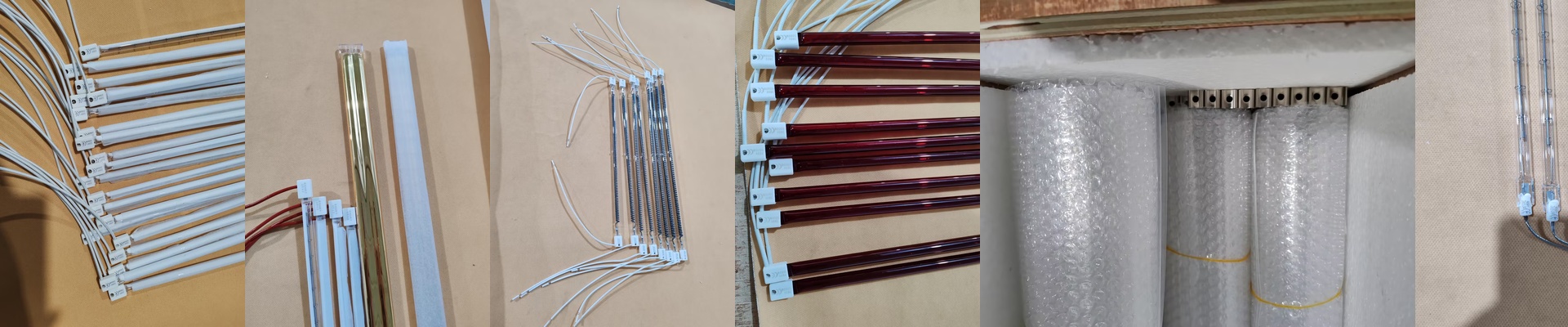
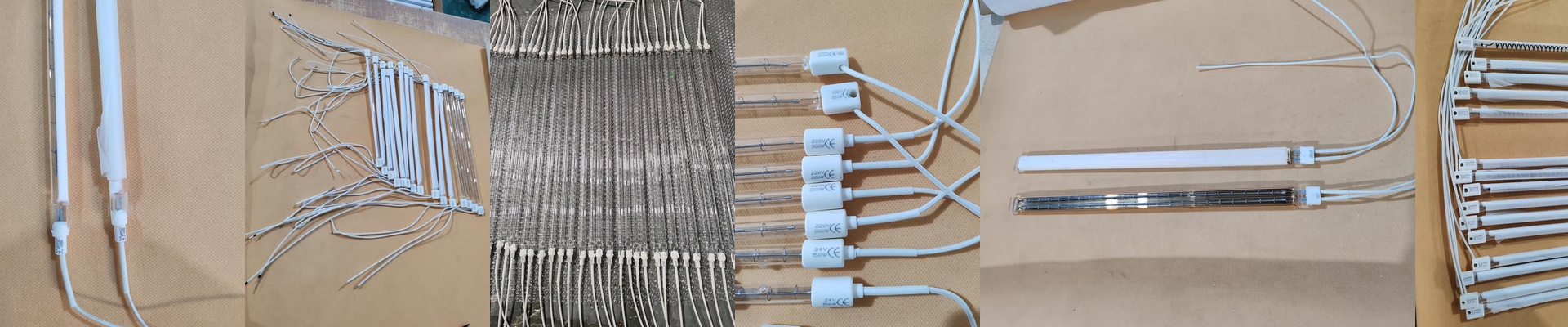
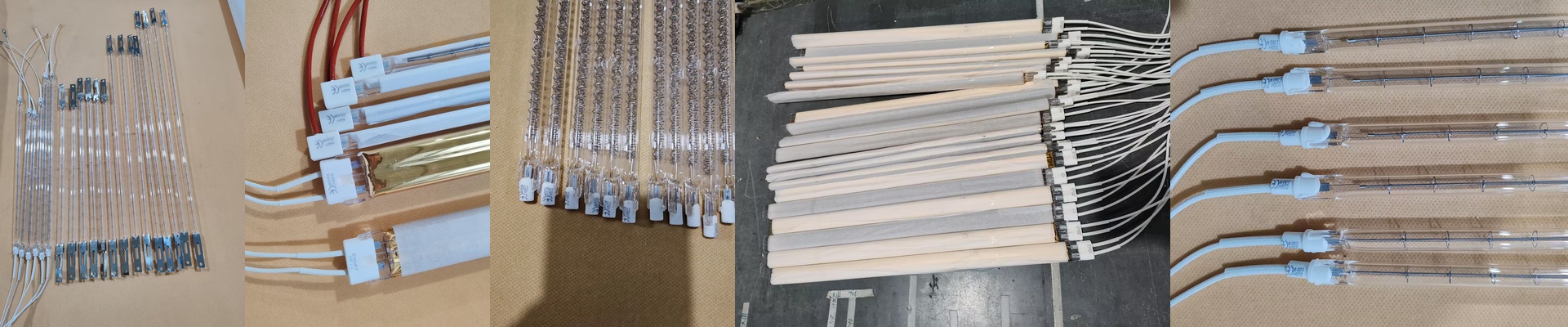
If you want plastic to hit that perfect softening point without scorching the surface, you need precise short-wave infrared. Simple as that. We use high-purity quartz and halogen gas fills. It’s a straightforward setup that lets the filament run hotter without evaporating, which means you’re pushing more energy into the material in less time. If you’re running a 400V system, you need a lot of power in a very small space. We build our tubes to handle that load without bowing under the pressure. Just a heads-up, though—pushing 2500W through a short tube creates some serious localized heat. Make sure your housing and cooling fans can actually handle that rise, or you’re going to end up warping your reflectors.
No headaches during install
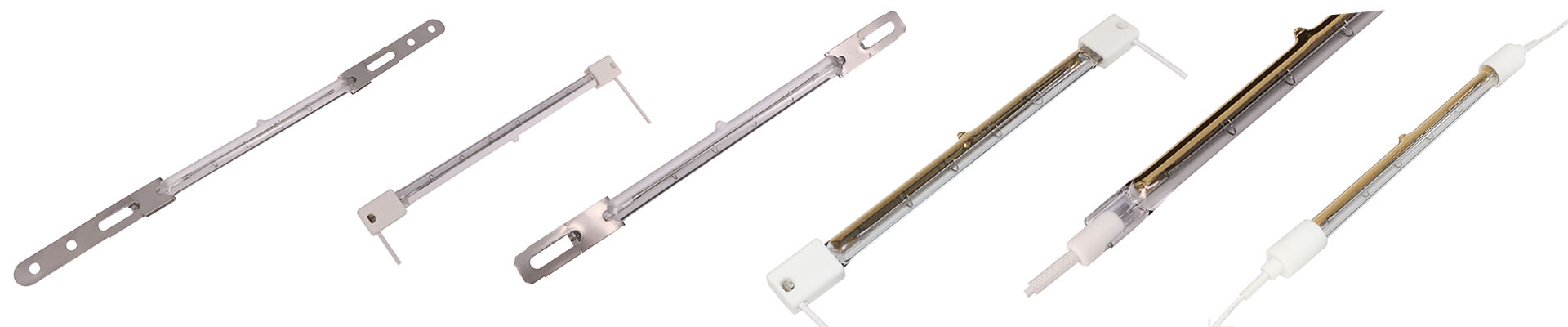
Nobody wants to spend their weekend rewiring boards or swapping out sockets. That’s why we stick with standard R7s and Sk15 connectors. They just slide right in. Plus, we coat the quartz to optimize the spectrum for specific polymers. This ensures the heat actually penetrates the plastic instead of just warming up the air around it.
The real-world impact
Switching to a domestic alternative isn’t about buying “cheap” parts. It’s about stopping the overpayment for a logo. You get the same lumens. The same heat flux. The same lifespan. Your cycle times don’t budge, but your overhead does. It’s a win for the budget and a win for the floor.