Swapping European IR Heaters for Domestic Options in Auto Molding
If you’re in automotive injection molding, you know the drill. You need your heat to be spot on, every single time. That’s why most Tier-1 shops started out with those high-end European IR heaters. They’re reliable, sure, but they’re also expensive. Once you start scaling up production, those proprietary systems start feeling like a weight around your neck. The maintenance costs alone can kill your margins. That’s why I’m seeing more engineers move toward domestic “drop-in” replacements. You get the heat density you need, but without the eye-watering overhead.
The nitty-gritty of the switch
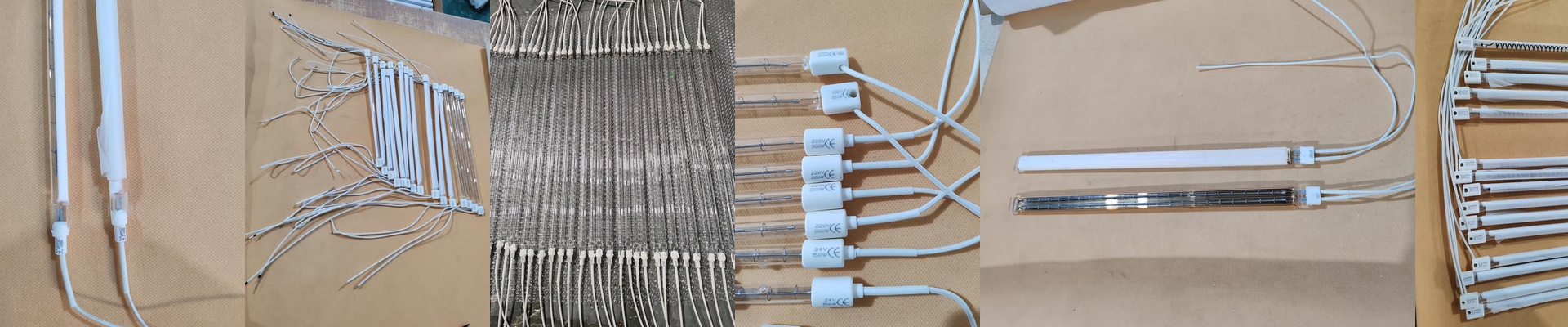
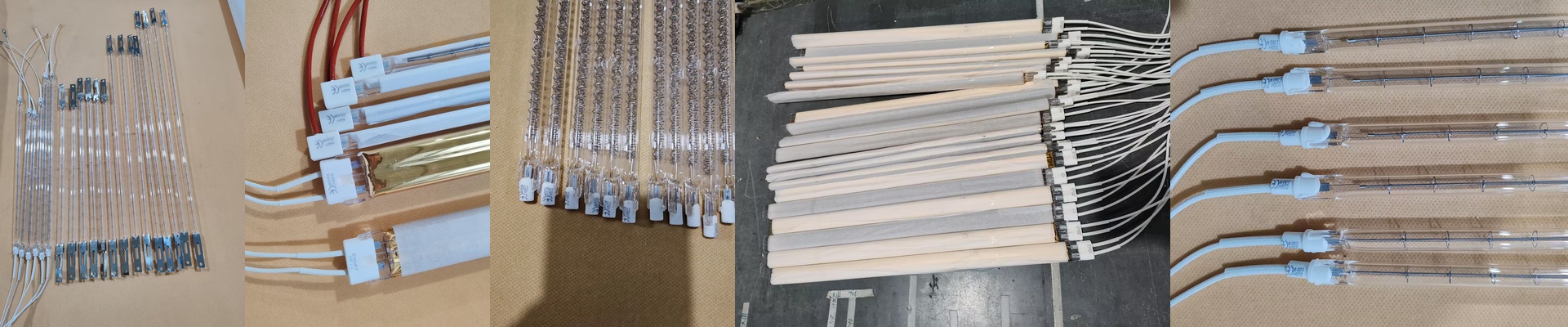
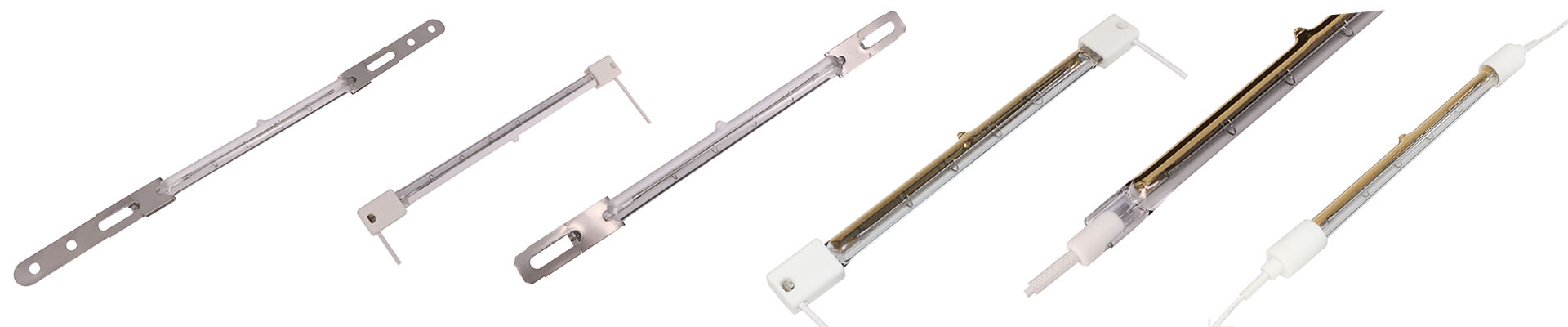
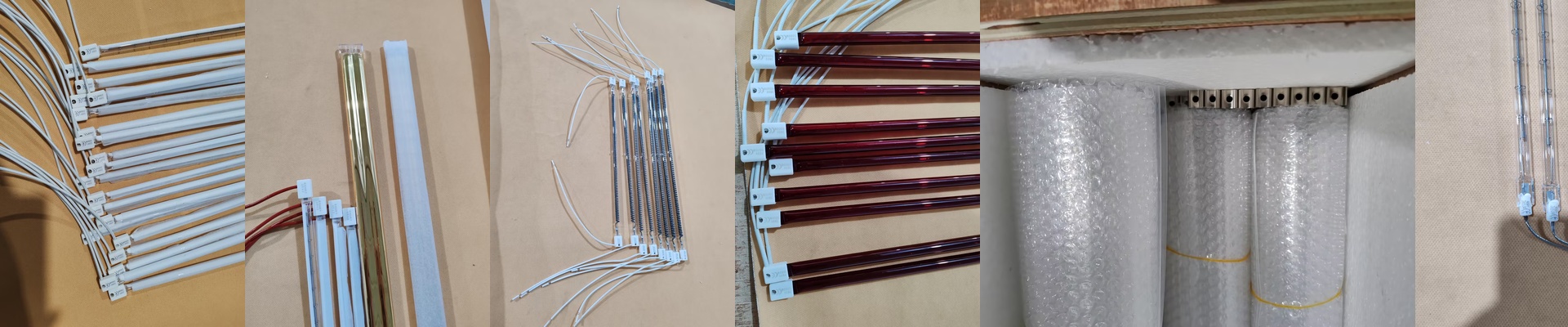
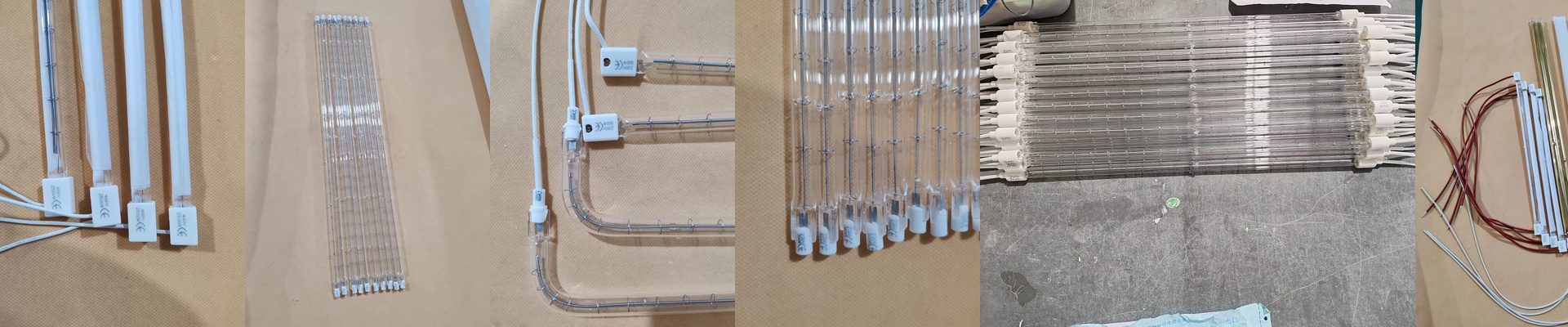
Here’s the thing: swapping a fancy European lamp isn’t about the logo on the box. It’s about the physics. You have to match the spectral output and the wattage per centimeter. If you’re using short-wave quartz lamps, the grade of that tungsten filament is what actually dictates how fast you hit your target temperature. We spend a lot of time obsessing over the voltage-to-wattage ratio. Why? Because the last thing you want is a new lamp blowing out your existing power supplies. And please, don’t overlook the connectors. Whether it’s an R7s or an SK15, a loose fit is a disaster waiting to happen. A tiny gap creates resistance, resistance creates heat at the terminal, and before you know it, your wiring harness is melting. We keep our tolerances tight so you can just plug them in and stop worrying about it.
Dealing with the trade-offs
Look, domestic alternatives are cheaper, but there’s a catch. You have to keep an eye on the quartz envelope. Those top-tier European glasses are incredibly pure, which means they can handle extreme cycling for a long time before they start to degrade. When you move to a more budget-friendly option, you might find yourself replacing them about 10% to 15% more often. But you can actually fix that. Instead of just copying your old PID settings, take a moment to re-tune your controllers. Every lamp has its own thermal inertia. If you don’t adjust, the filaments might burn out early because they’re over-cycling. One more thing—check your airflow. If your cooling fans are old, the extra heat from a high-wattage domestic lamp might cook your cabinet. Give your fans a quick look before you make the swap.