Getting More Heat Without the “Brand Name” Tax
Most engineers think that if you want top-tier performance—the kind of stuff you see from brands like OYATE—you have to pay a massive premium. We don’t see it that way. We spent our time figuring out the actual physics of heat transfer and cleaning up our supply chain. The result? Drop-in replacements that hit the same output and last just as long, but without that inflated brand markup.
The Nitty-Gritty: Heat Density
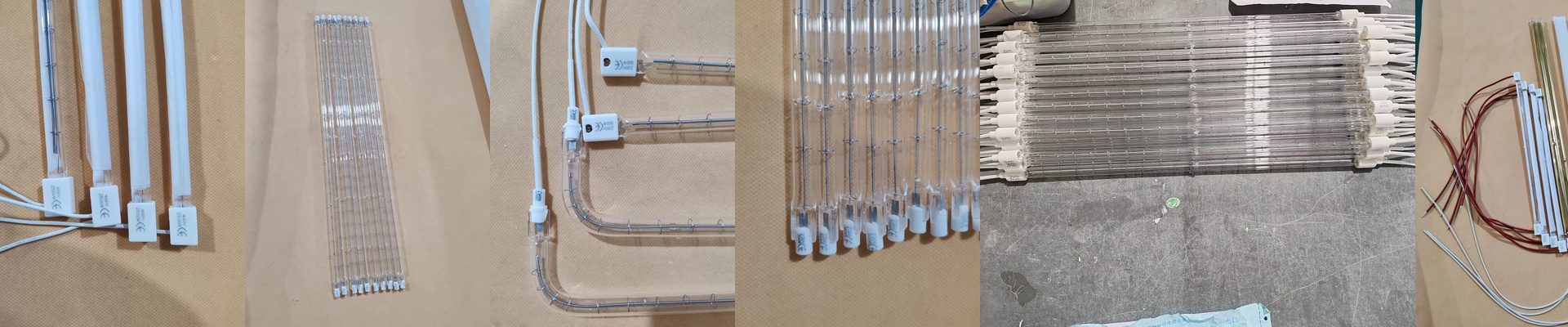
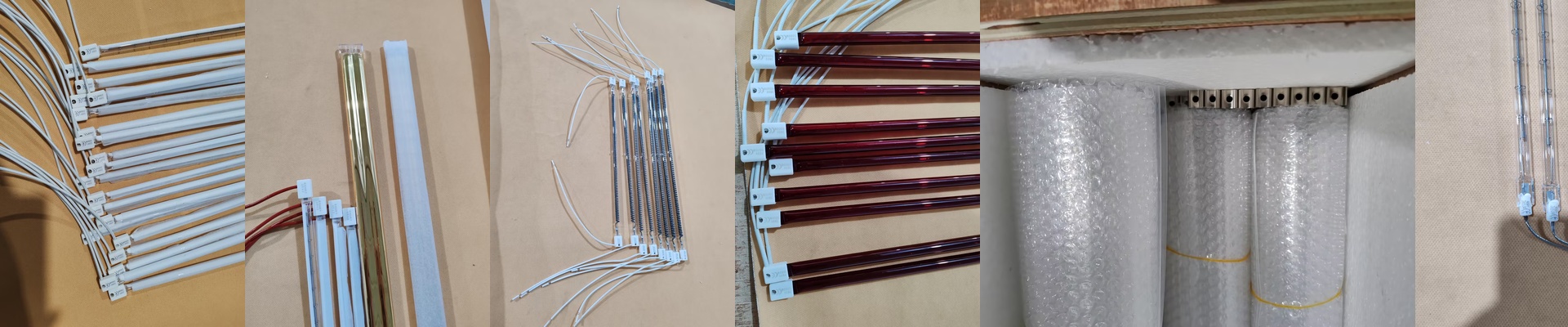
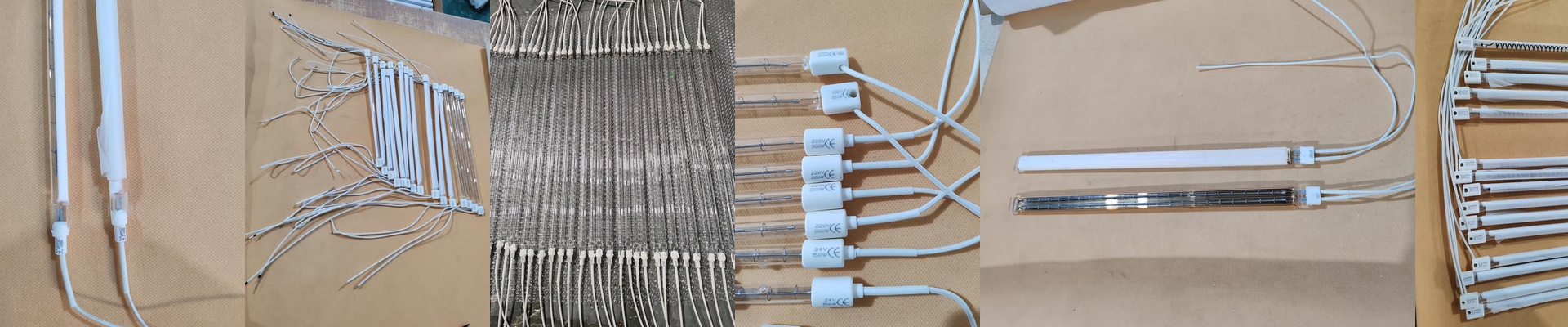
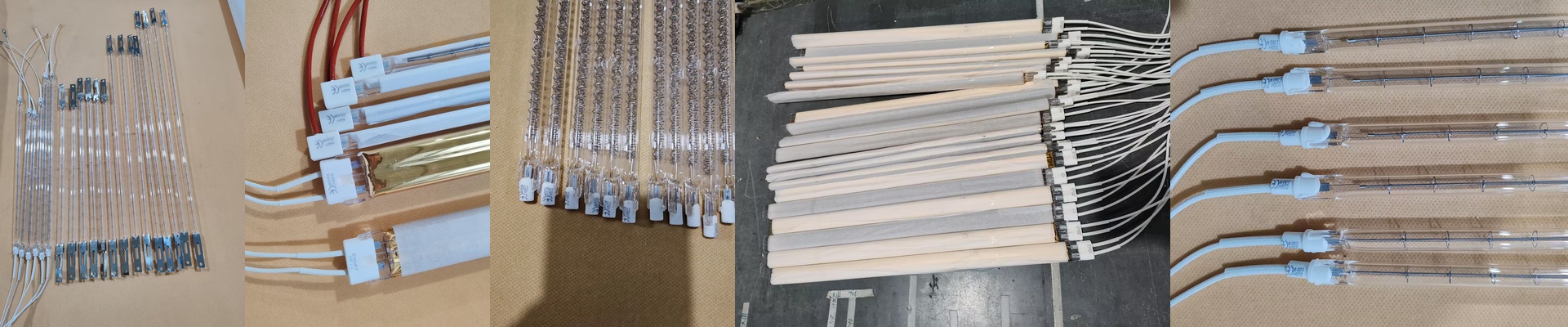
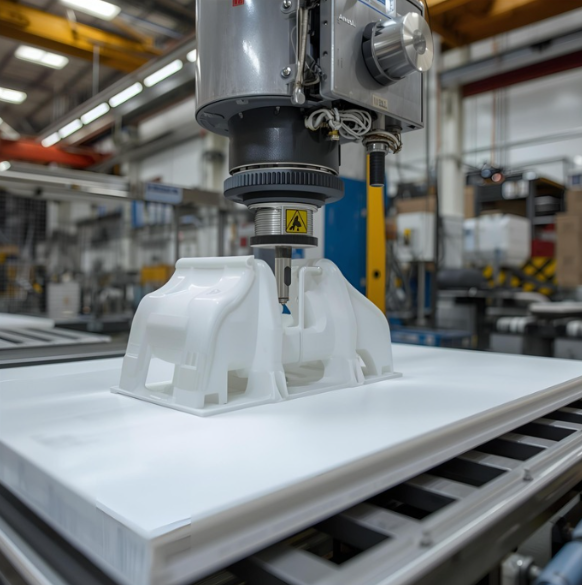
If you’re doing PET blowing or plastic forming, you know that heat density is the only thing that really matters. It’s all about that sweet spot between wattage and voltage so your filament hits operating temperature the second you flip the switch. When you’re looking at a high-wattage quartz tube, you need the IR emission to be steady from one end to the other. No dead spots. We use high-purity quartz because it stops the lamps from burning out too early and keeps the spectral output from drifting.
The Trade-offs (and why they matter)
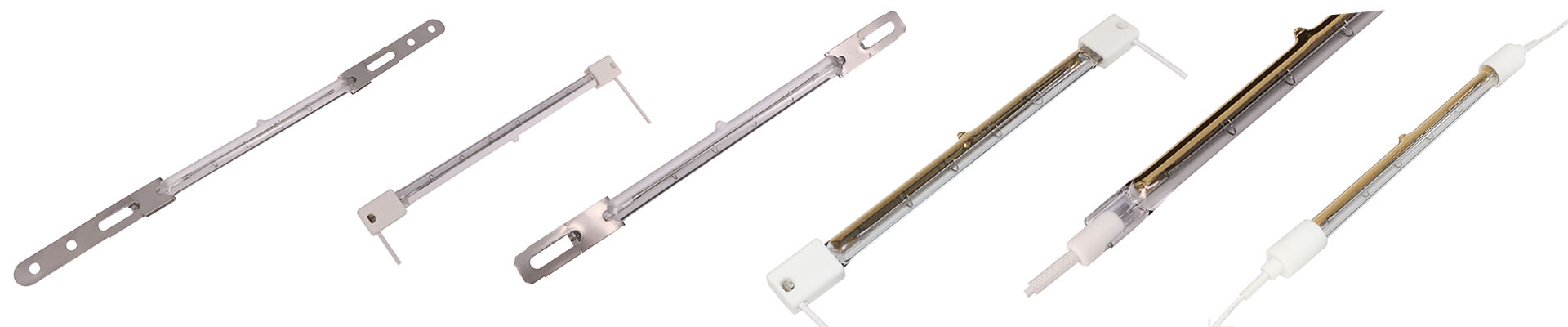
We use halogen gas filling to keep the surface temperature high and push the filament life further. Then there are the connectors. Whether you go with R7s or Sk15 usually comes down to how fast you want to install them and how reliable you need the contact to be. Be careful here. A loose connection isn’t just a nuisance—it creates a hot spot that can actually melt your housing. If you need the heat to soak deeper into the plastic instead of just scorching the surface, we’ve got coated versions that shift the emission spectrum. Just a heads-up: those coated tubes are a bit more temperamental. Handle them gently during install, or you’ll crack the coating.
Making it Work on the Floor
These are designed to be simple. You pop them in, wire them to your existing controllers, and they just work. But here is a pro tip:**keep your reflectors clean.**It sounds basic, but a thin layer of dust can kill your efficiency by 10-15%. And remember, while high heat density is a powerful tool, your cooling system needs to be up to the task. Make sure it can handle the extra ambient heat in the oven so you don’t run into trouble.