Why some quartz heaters just… quit (and how to pick one that doesn’t)
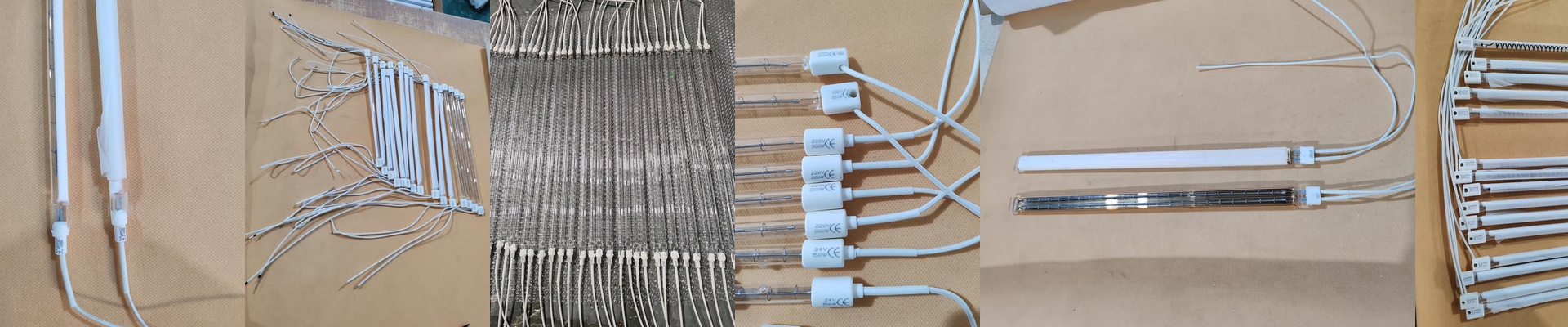
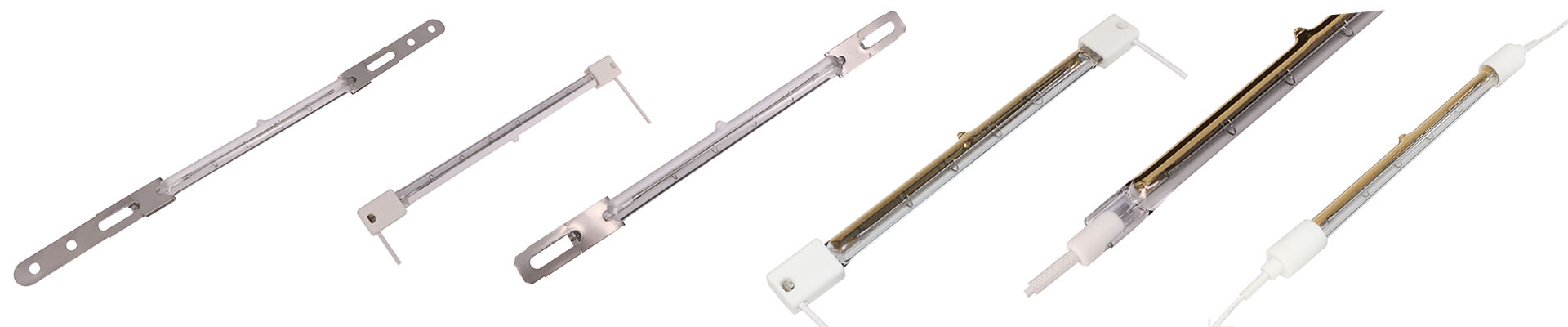
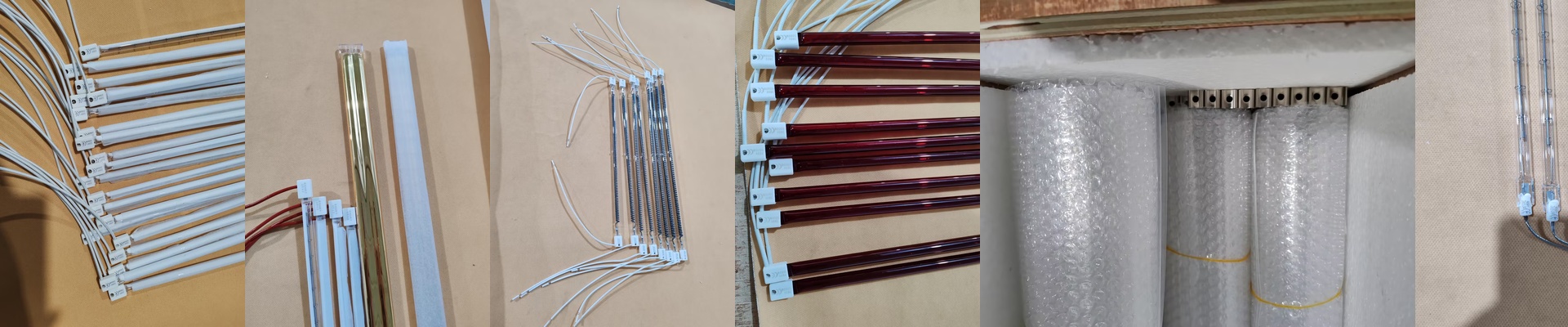
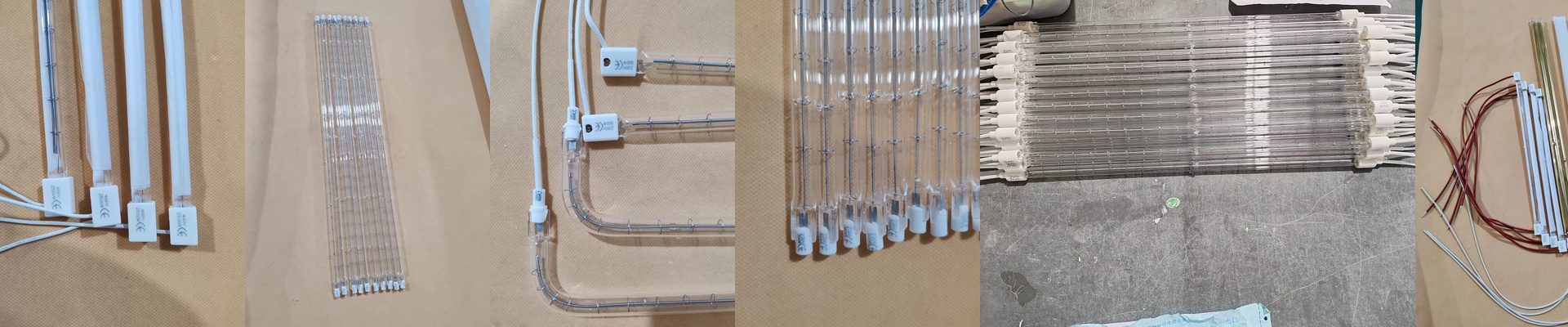
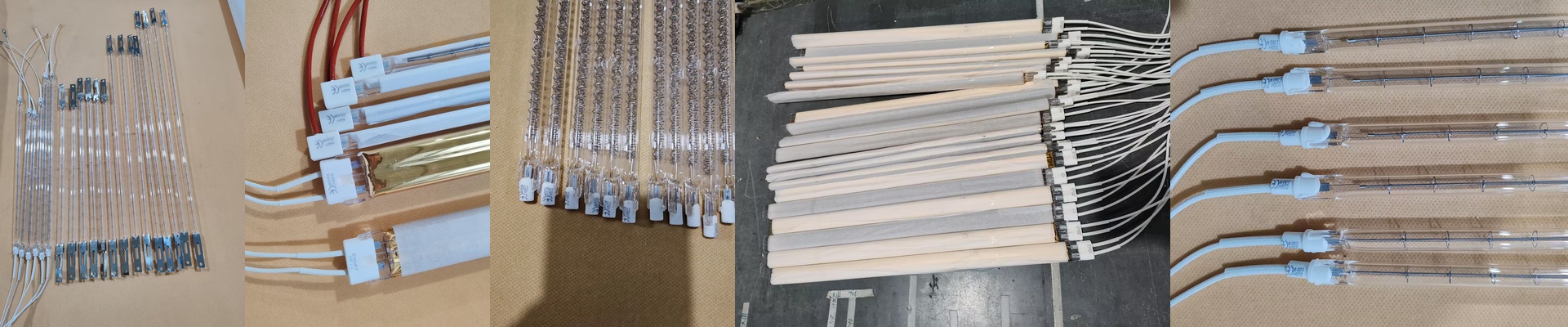
Here is a little secret about quartz glass: most people think it’s all the same. It really isn’t. When we put our lamps side-by-side with the big-name brands, the real difference isn’t some magic trick. It’s just about the purity of the silica and how the tungsten filament is actually built. The truth about why they snap Ever wonder why a heater suddenly dies? It happens when the filament gets too thin in one spot and just snaps. If a filament is sloppy or has impurities, you get these “hot spots.” Think of it like a weak point in a rope. Those spots burn out way faster than the rest of the tube, killing your heater long before it should. We use high-density tungsten to stop that from happening. It keeps things even. It keeps things stable. Then there’s the glass. Cheap glass hates temperature swings. It expands and contracts too much, which leads to those annoying cracks when you flip the power on and off. We use high-purity synthetic quartz because it can take a beating. You can cycle it rapidly and it just holds up. The trade-off you need to know Now, high-output lamps are great because they get hot fast. But there’s a catch. When you cram more wattage into a shorter tube, the internal pressure climbs. If your housing doesn’t breathe or your fans are too weak, that heat has nowhere to go. It starts eating away at the electrodes. The trick is to make sure your wattage and your airflow are actually talking to each other. If they aren’t, you’re just shortening the life of your equipment. Getting it right for the long haul We don’t mess around with fillers. By using the same raw materials as the industry leaders, we get rid of that annoying guesswork. You get a replacement that just fits and works. No weird dips in heat, no drifting temperatures, and—best of all—way fewer times you have to shut down the whole line just to swap out a dead lamp. It’s just one less thing to worry about.