Stop Bleeding Cash on Cheap Quartz Heaters
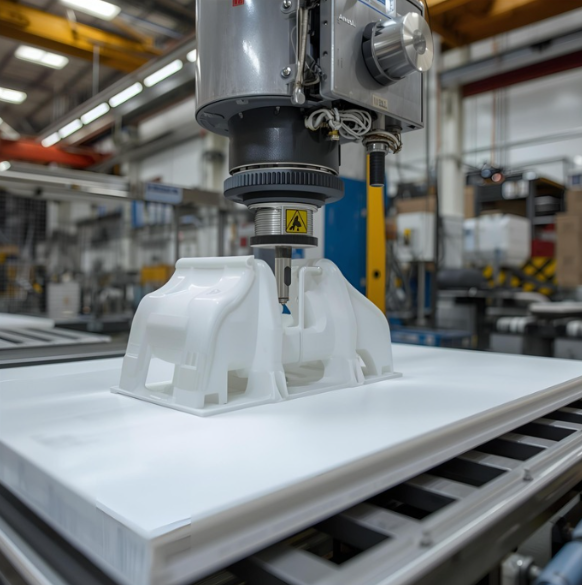
If you’re running a large-scale plastic plant, you know the drill. You’re fighting a constant battle with lamp replacements and unplanned downtime. It’s a headache. We recently looked at a facility that was losing a fortune on overpriced imports. They made one switch—moving to precision-engineered domestic quartz lamps—and ended up saving millions in maintenance. Just like that.
Getting the Heat Right
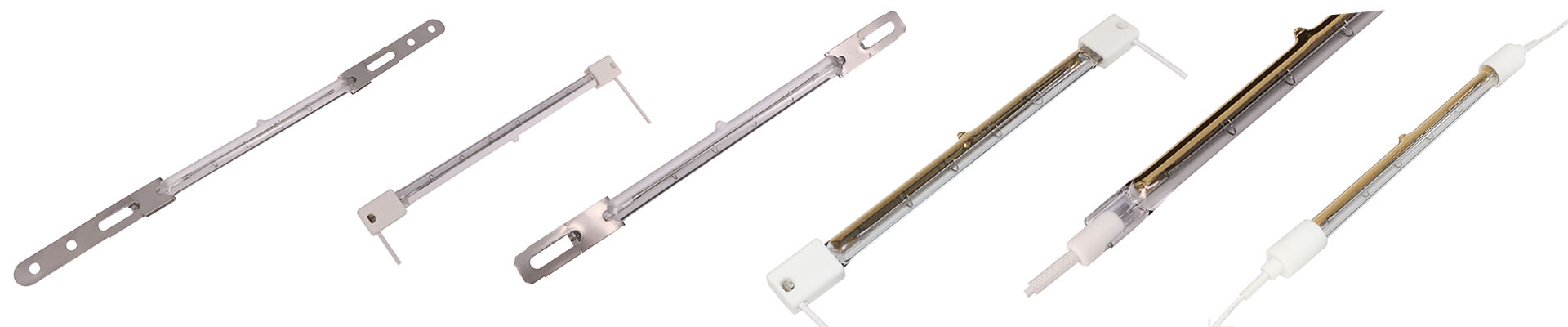
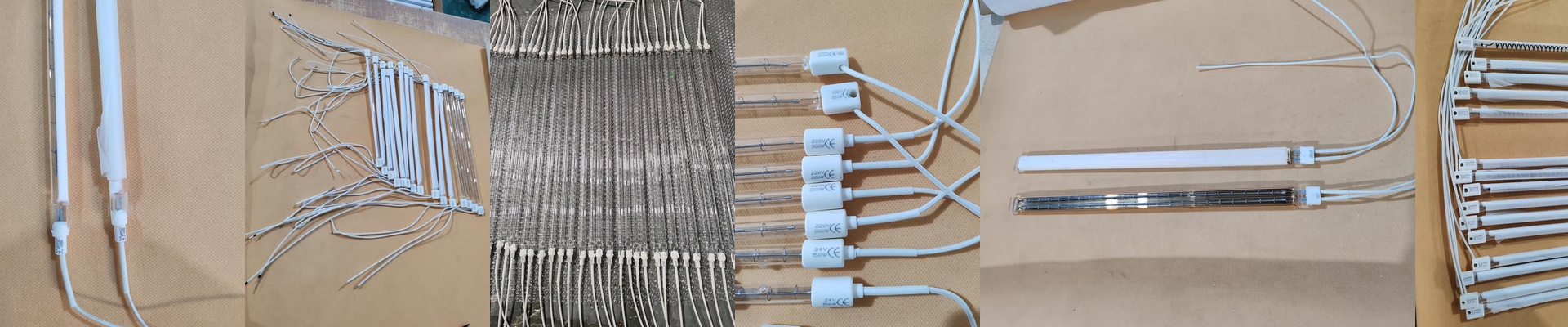
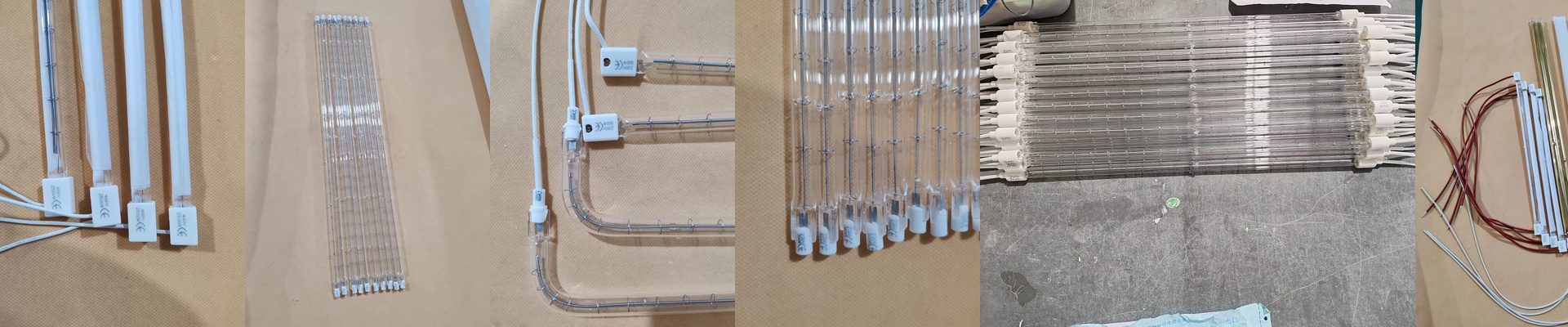
When you’re doing PET blowing or high-speed forming, heat density is the only thing that matters. If the preform doesn’t hit that exact softening point, your whole line slows down. That’s why we spec these tubes for serious power—usually between 2000W and 3000W. Depending on your grid, you’ll run them at 220V or 380V. Going with a high-voltage setup is a smart move because it keeps the current draw low. It means your wiring stays cool, even when you’re running 24/7.
The Nitty-Gritty Stuff
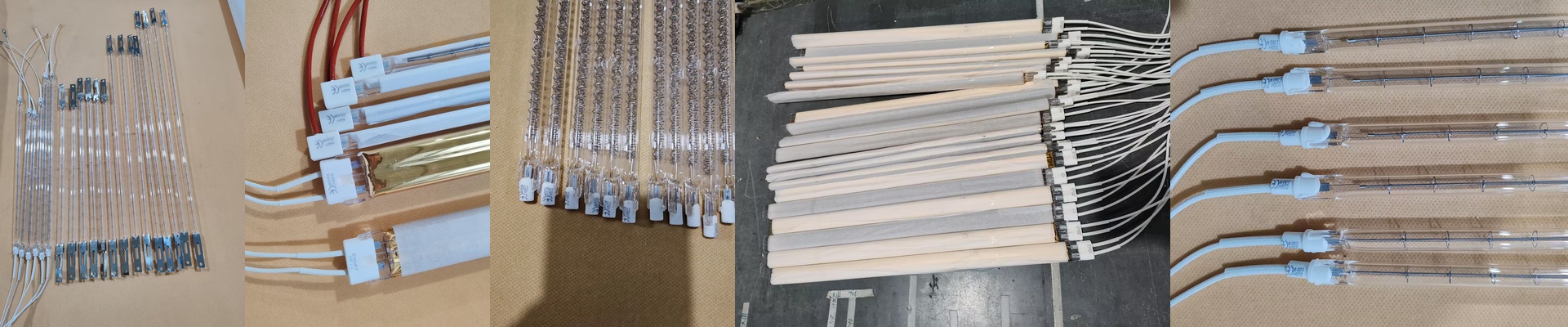
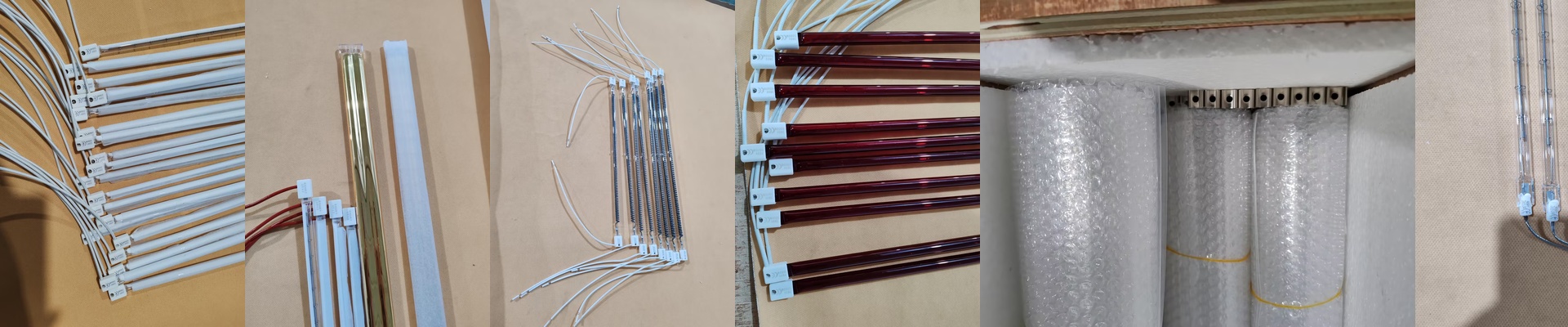
We use high-purity fused quartz because it can take a thermal shock without cracking. Plus, we add a halogen fill. This keeps the filament from burning out nearly as fast as those cheap alternatives you see everywhere. As for the fit? We use R7s or Sk15 bases. They’re simple drop-in replacements. You don’t have to touch your wiring or tear apart your racks. You just plug them in and get back to work. And if you’re dealing with tricky materials, we can coat the tubes. It shifts the infrared spectrum so the heat actually sinks deep into the plastic instead of just scorching the surface.
Real Talk: The Shop Floor
Look, these lamps put out a massive amount of heat. You’ll get your cycle times down, but there’s a catch. Because the heat density is so high, your cooling fans and heat sinks have to be up to the task. If your airflow is weak, you’re just going to cook your reflectors. It’s a common mistake, but an expensive one. The secret is matching the wattage to your machine’s actual footprint. Once you get that right, you can stop replacing lamps every few months. You finally get to stop “putting out fires” and actually start planning your maintenance.