The Real Cost of a Burnt-Out Lamp
When a quartz heater pops on a high-speed line, it’s not just about the cost of the part. That’s the easy part. The real nightmare is everything else. You’ve got operators standing around with nothing to do. You’re tossing scrapped material in the bin while you wait for the system to warm back up. Your throughput just tanked. It’s a bleed that most people ignore until they look at the monthly losses. We build our heaters to stop that leak.
The Heat Trade-Off
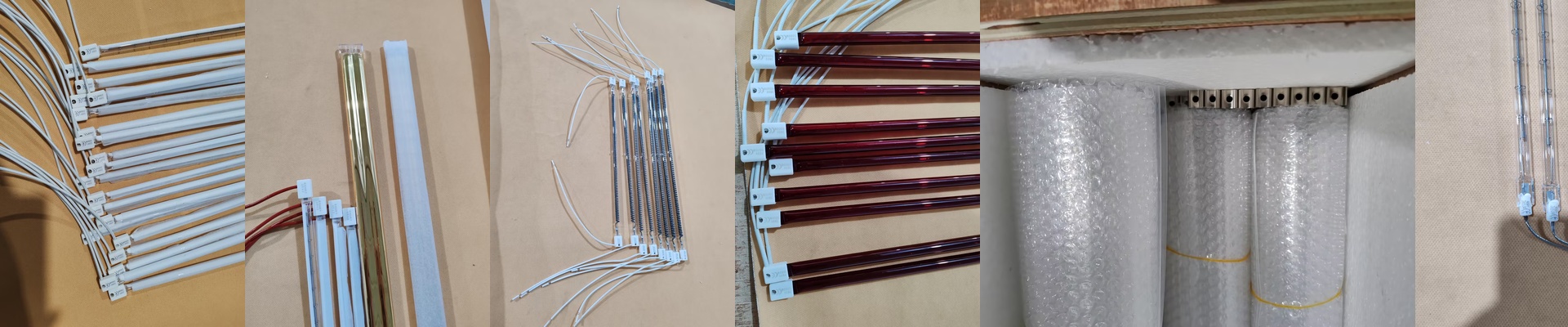
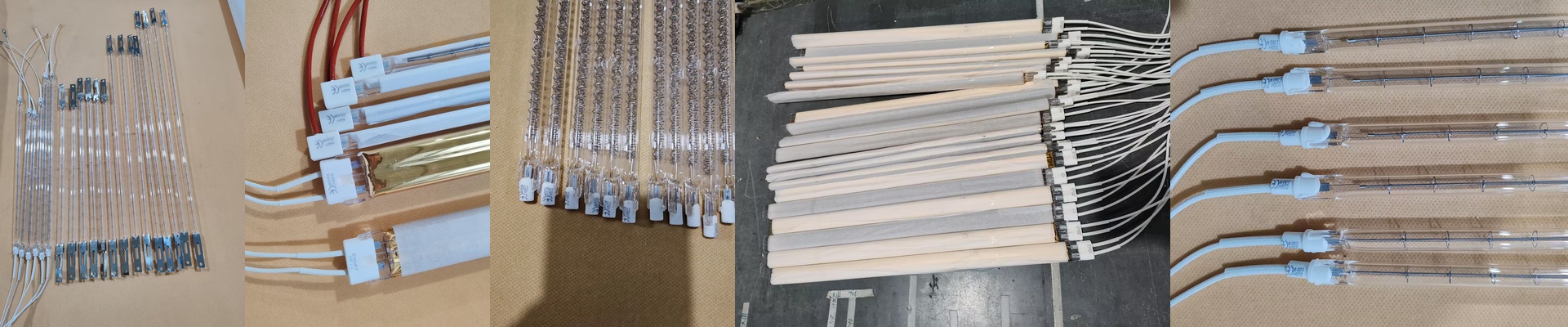
We design these tubes to pack a specific amount of power into their length. If you’re running a 400V system, for example, you get a much faster ramp-up. It’s great for getting back to speed quickly. But there’s a catch. That kind of heat density puts a massive amount of stress on the quartz. If your reflectors are caked in grime or your airflow is choked, the tube is going to overheat. And when it overheats, it dies. Simple as that.
What’s Actually Inside
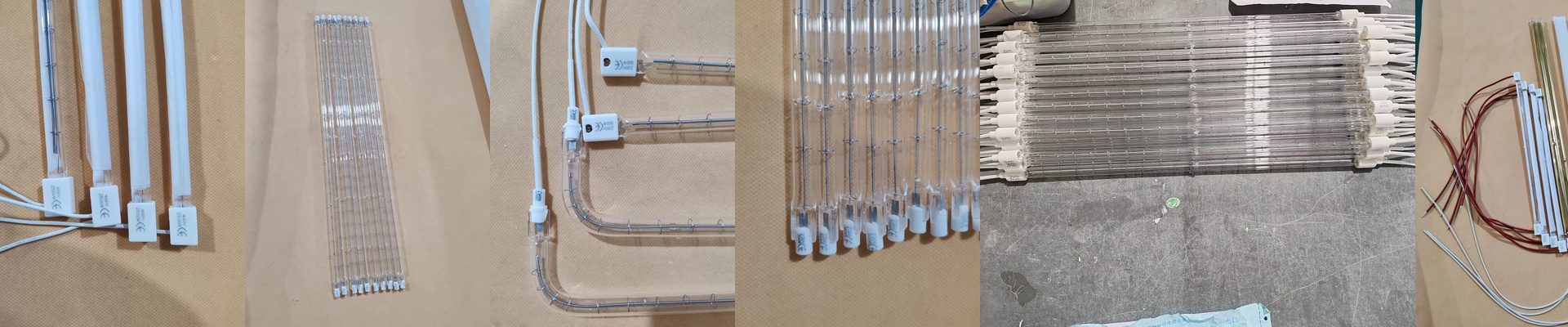
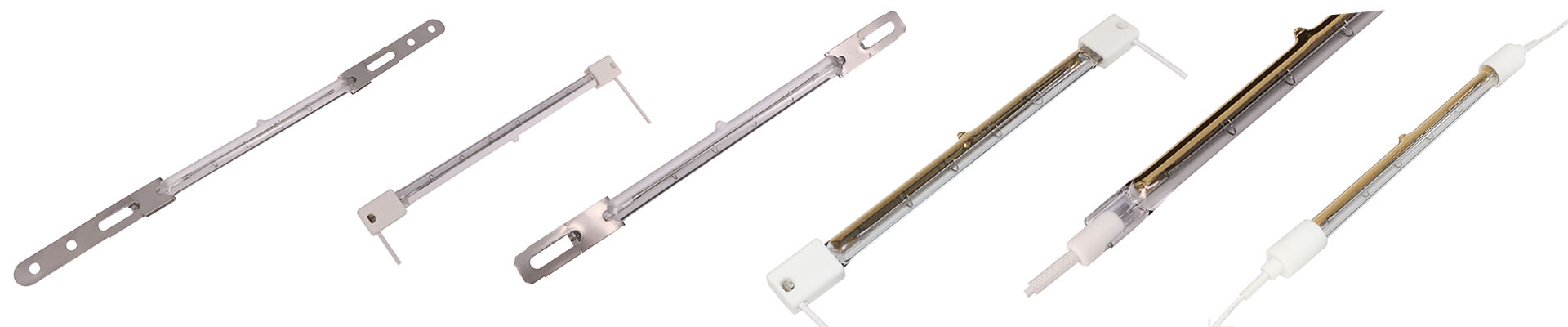
To keep things running longer, we use high-purity fused quartz and halogen gas. Here is why that matters: the halogen cycle actually puts the tungsten back onto the filament. It stops those thin spots from forming—the kind of spots that usually lead to a sudden burnout. We also stick to standardized R7s or Sk15 bases. It’s not just about making it easy to plug in. A tight, secure fit prevents arcing at the contact point. Most of those “random” failures people complain about? They usually start right there at the connection.
Keeping the Line Moving
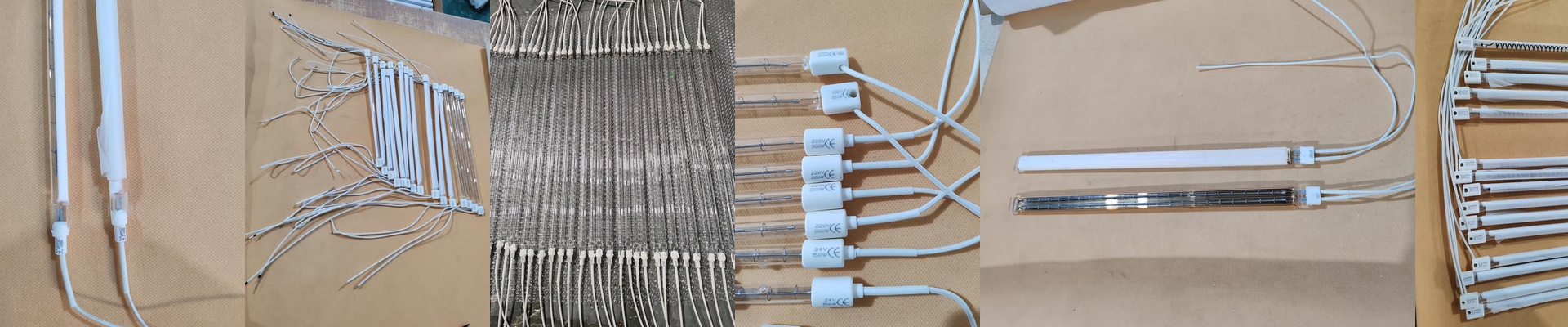
When you use a replacement that matches your original specs perfectly, your techs aren’t spending an hour fighting with wiring. They just swap it and go. It means fewer interventions. Less stress. Your thermal profile stays steady, your process stays right where it needs to be, and the line just keeps moving. That’s how it should be.