Why Your Choice of IR Lamps is Actually a Budget Decision
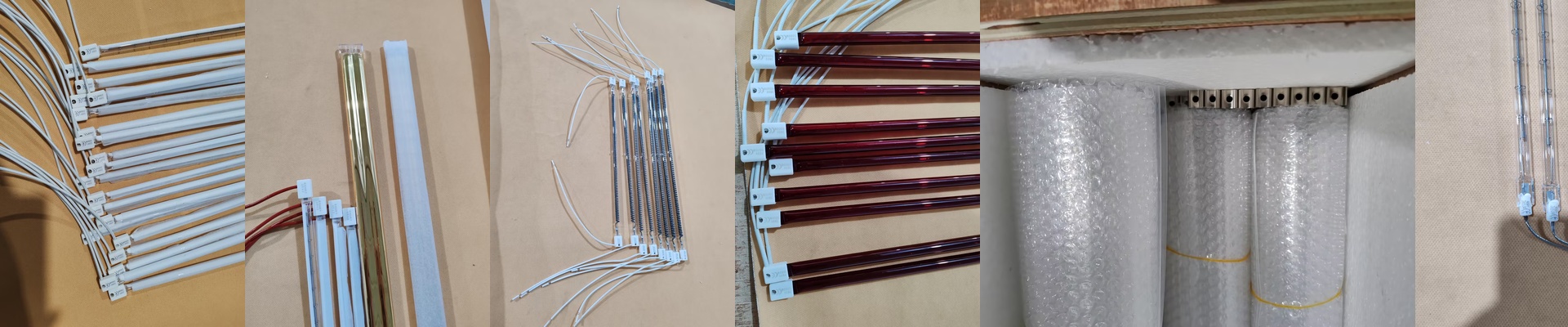
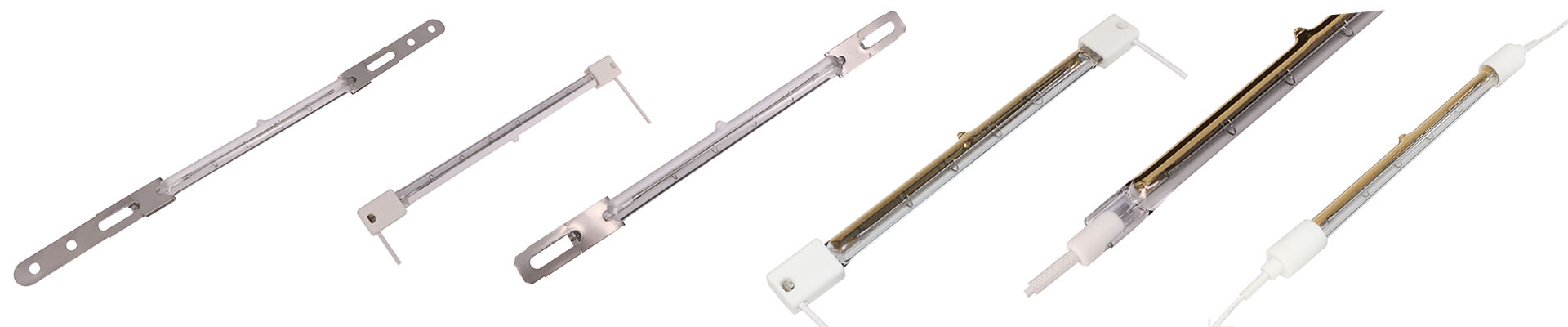
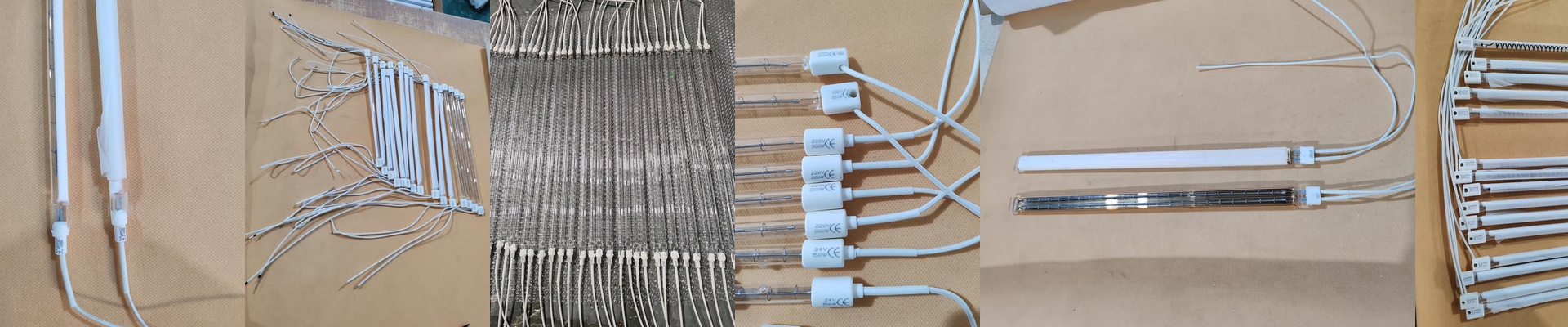
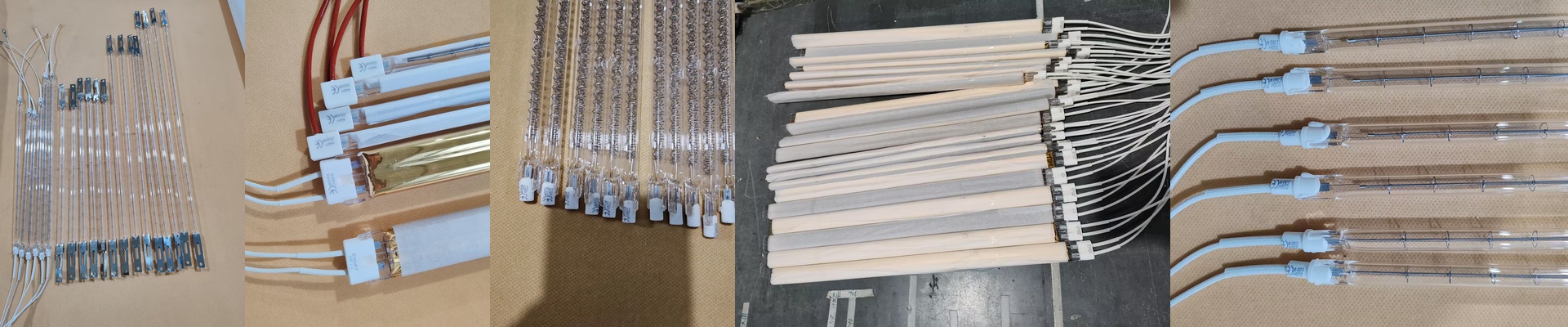
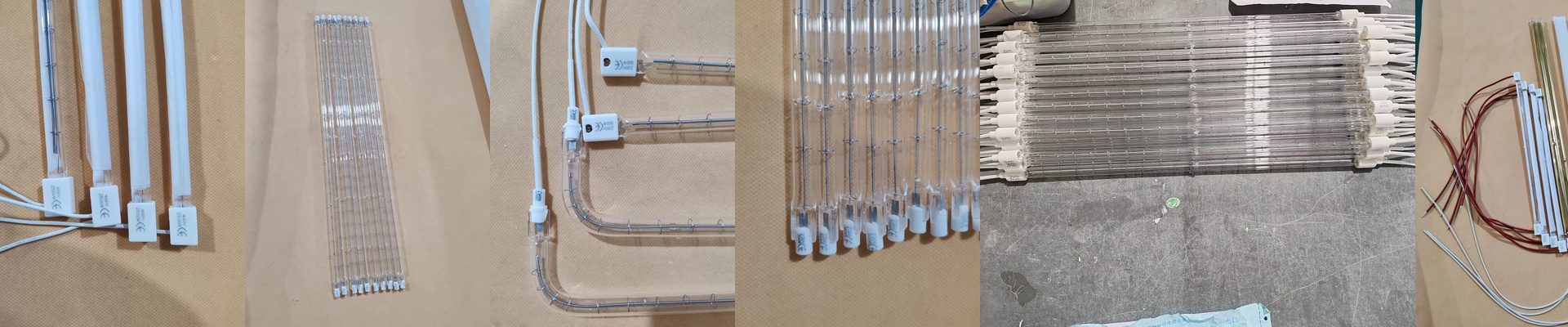
Energy bills are a nightmare. If you’re running plastic extrusion or PET blowing, you already know that the heating zone is where your profit either stays in your pocket or vanishes into thin air. Most people just think about “getting the plastic hot.” But we look at it differently. It’s about how you deliver that energy. Here’s the thing about heat density. Cheap heaters spend half their time warming up the air around the machine. It’s a waste. Our quartz lamps use short-wave or medium-wave infrared to go straight into the polymer. By cranking up the wattage-to-length ratio, we increase the heat flux. In plain English? Your material hits the melting point way faster. You can push your line speed higher without worrying that your melt quality is going to tank. But the hardware has to hold up. We use high-purity quartz glass so the tubes don’t warp or get cloudy when things get hot. Inside, we pair the tungsten filament with halogen gas. It stops the filament from evaporating too quickly, which means you aren’t replacing lamps every five minutes. And a quick tip on the wiring: don’t overlook the connectors. We stick with R7s or SK15 bases because they actually stay tight. A loose connection is a disaster waiting to happen—you get arcing, burnt sockets, and a lot of downtime you don’t need. Now, there is a catch. When you’ve got a compact lamp pushing 2500W, it generates some serious localized heat. If your cooling fans or heat sinks weren’t built for that kind of load, you might fry your surrounding electronics. You’ve got to make sure your machine’s cooling can keep up with the output. When it all works together, your ovens warm up faster and you use fewer KWh for every kilo of plastic you push through. That’s the simplest way to stop those energy spikes from eating your margins.