Can swapping your infrared elements actually cut your power bill by 20%?
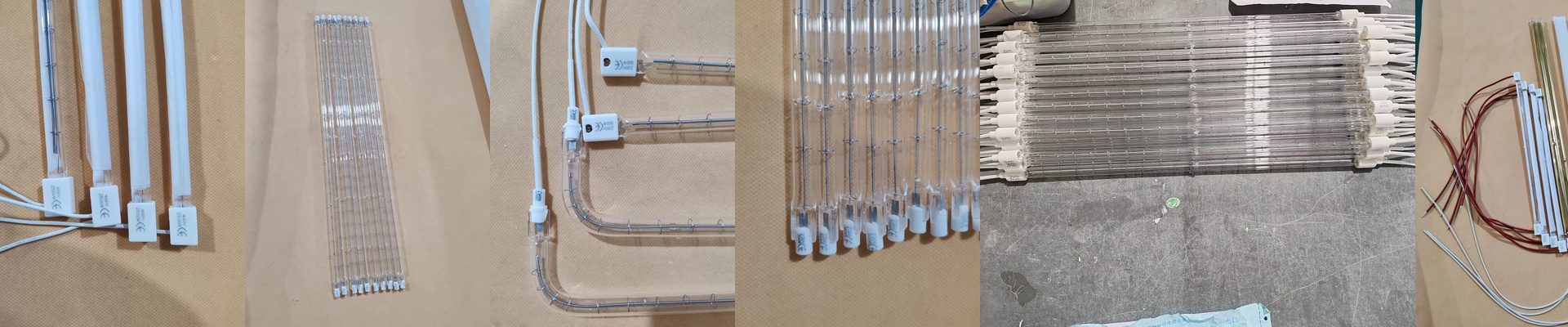
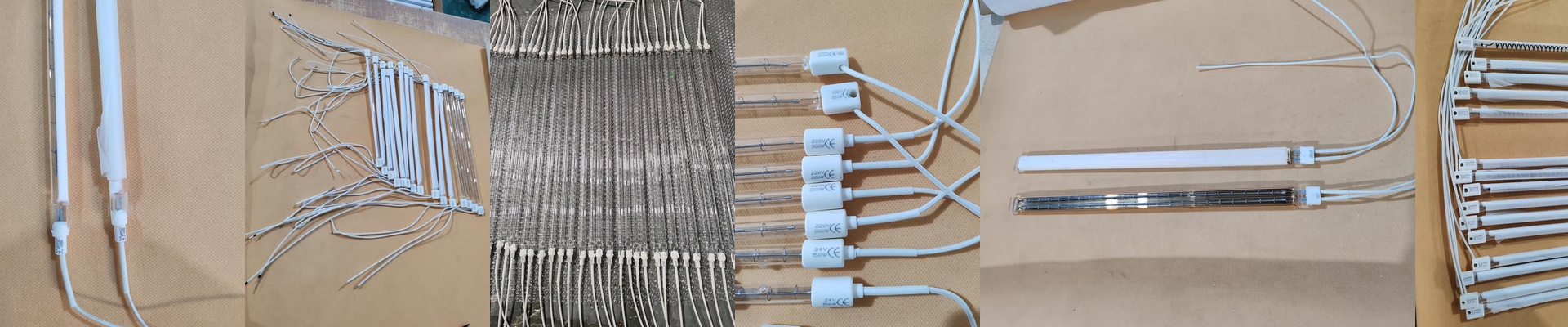
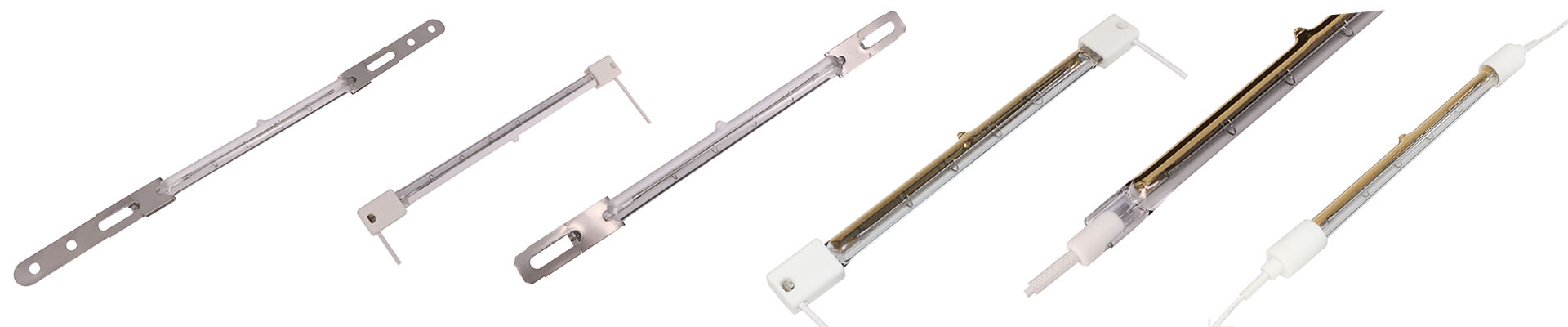
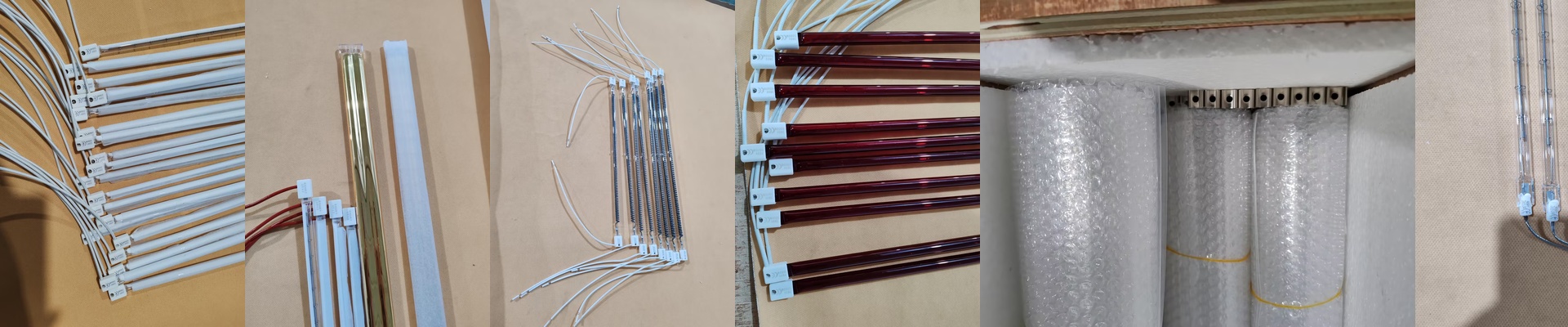
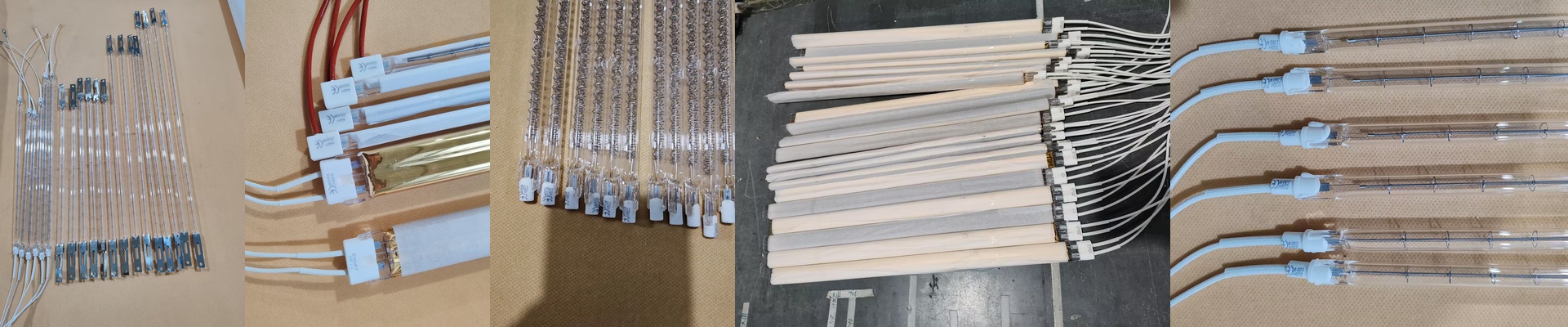
If you’re running an older plastic processing plant, you probably have those legacy drying tunnels. You know the ones—they leak heat like a sieve and eat electricity for breakfast. You’ve probably wondered if just swapping out the old heating elements for modern quartz infrared tubes could actually save you 20% on your energy bill. The short answer? It can. But it all comes down to how well the emitter “talks” to your plastic. Here is how the physics actually works. Old-school resistive heaters are slow. They have to warm up the air first, and then that air has to warm up your plastic. It’s an indirect process. Quartz infrared heaters are different. They send radiant energy straight into the product. We usually lean toward short-wave and medium-wave emitters because they sink into plastic polymers much better. When you switch to high-density quartz tubes, your ramp-up time disappears. Instead of wasting energy heating the entire volume of the tunnel, you’re just heating the part. It’s a much smarter way to work. But be careful with the hardware. When we’re picking out replacements, we look at the wattage density per millimeter. A higher wattage tube is great because it lets you shrink the tunnel footprint or keep the oven shell cooler. But there’s a catch. These tubes run hot. If your old wiring or sockets aren’t rated for the new current draw, you’re going to fry your connectors. Definitely double-check your voltage stability before you start dropping these in. You don’t want a meltdown on your first day. The real-world payoff. That 20% saving is totally doable if you move from general convection to targeted radiation. It puts less stress on your controllers and lowers the duty cycle. Plus, if you’re chasing green finance or energy subsidies, this is the easiest win in the building. You don’t have to tear down the whole line. You just swap the elements, tweak your PID controllers, and keep an eye on the kWh meter. One last tip: check your reflectors. If they’re oxidized and dull, toss them. If you don’t have clean reflectors, you’re basically throwing 30% of your heat right into the tunnel walls. That’s just money disappearing into thin air.