Can you actually cut power bills by 20% just by swapping out your heating elements?
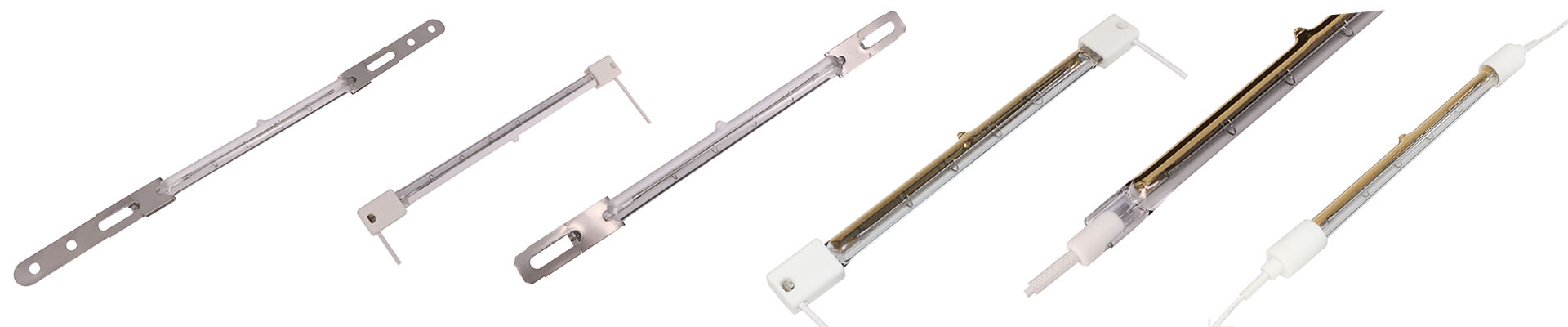
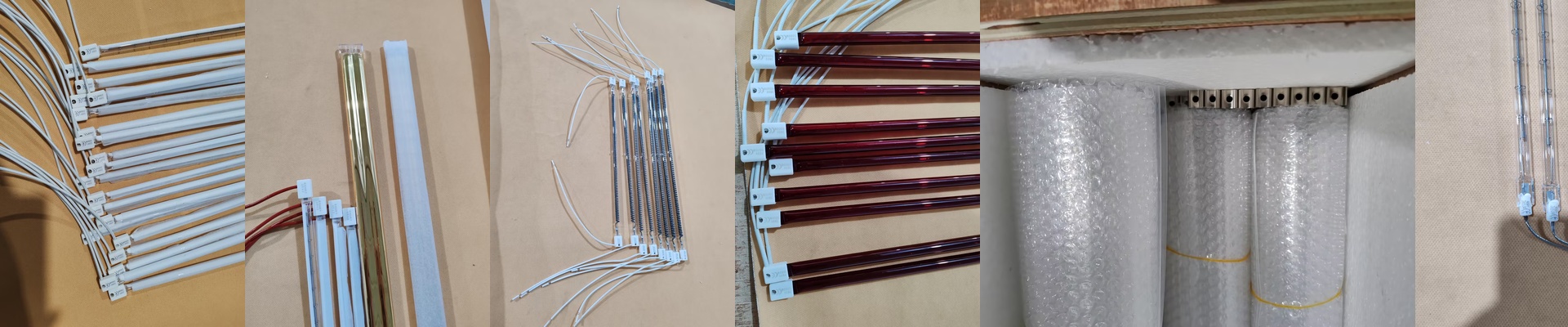
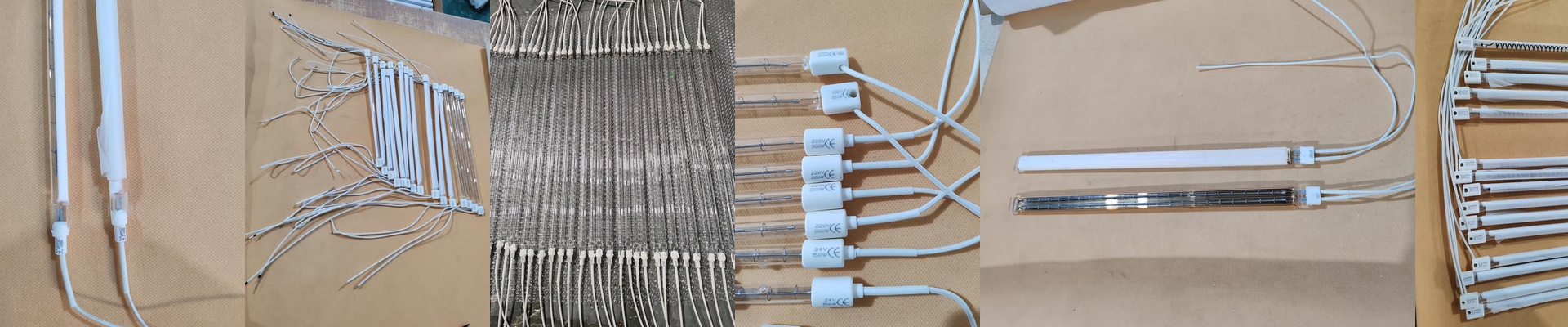
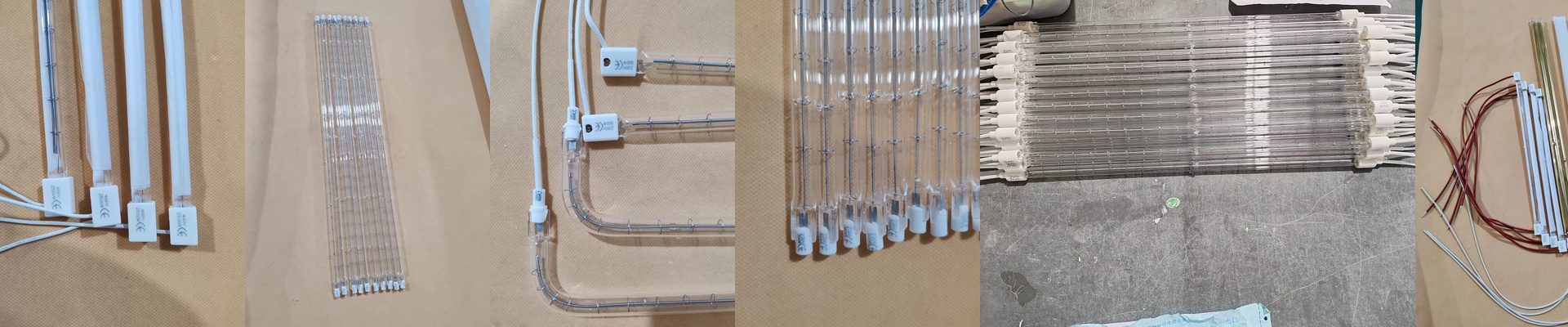
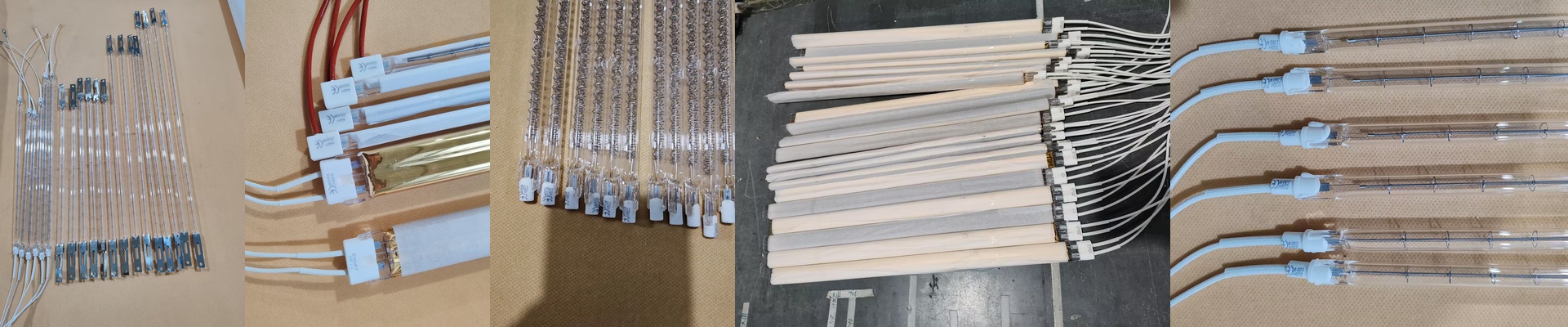
Let’s be honest: most plastic processing plants are running on ovens that are way past their prime. They’re old, they’re clunky, and they bleed energy like a sieve. If you’re looking at your electricity bill and cringing, you might be wondering if there’s a shortcut. Do you really have to tear down the whole oven and start over, or can you just swap the old elements for modern quartz infrared lamps and actually see a difference? Here is the deal. The science of it (minus the textbook talk) Old-school ovens usually rely on resistive coils. They spend a huge amount of energy just heating up the air inside the box. It’s inefficient. We do things differently with our quartz heaters. Instead of warming the air, they focus on radiant heat. We tune the emission to match exactly how your plastic absorbs heat. The result? The energy goes straight into the product. You won’t spend half your morning waiting for the oven to “warm up,” and you stop wasting money heating the metal chassis of the machine. The “Gotchas” of a retrofit Now, I won’t tell you it’s just a “plug and play” miracle. It’s more like that. You can’t just match the wattage and call it a day. You have to think about heat density. If we put a high-wattage, short-wave quartz tube where a low-density coil used to be, your ramp-up time will be incredibly fast. But watch out. If your conveyor belt is still moving at the old speed, you might scorch the surface of your plastic. You’ll probably need to tweak your PID controllers so you don’t fry the skin of your product. It takes a little calibration, but it’s worth it. The money side of things Saving on the monthly power bill is the obvious win. But there’s more to it. Right now, there are plenty of green finance incentives for factories that upgrade to high-efficiency gear. Switching to quartz is a great way to lower your carbon footprint without the nightmare of a full-scale construction project. It’s a low-cost way to get your kWh per kilogram down. If your current lamps are flickering out or your cycle times are starting to drag, this is probably the fastest way to stop the bleeding and get your efficiency back.