Stop Overpaying for Your Plastic Plant’s Heating
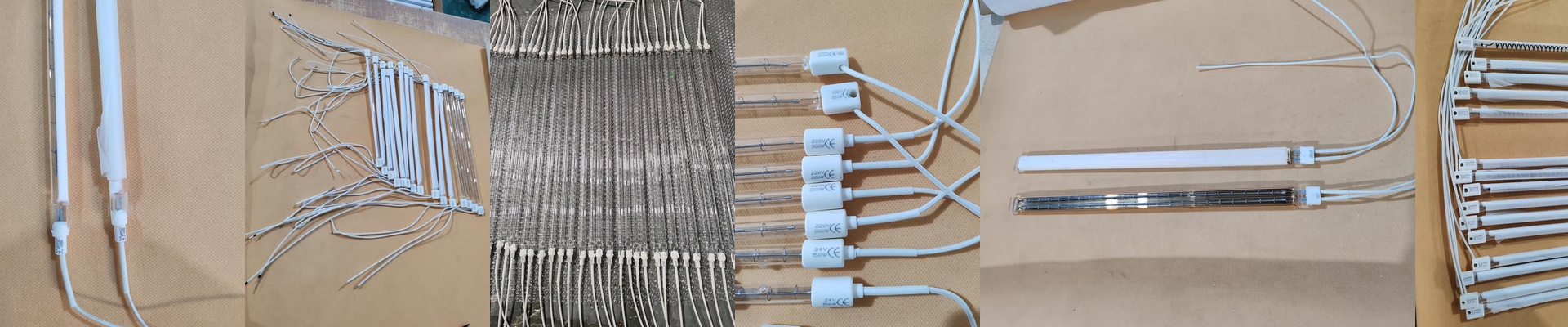
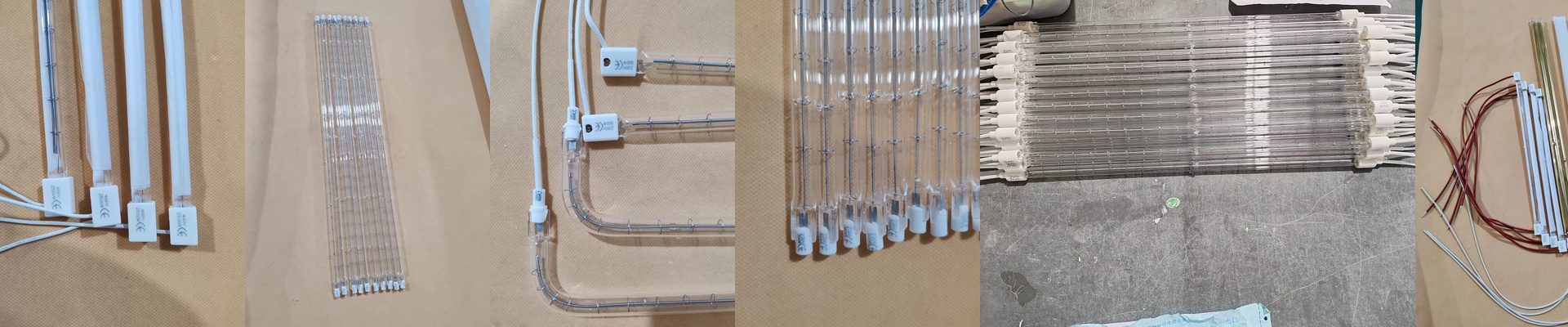
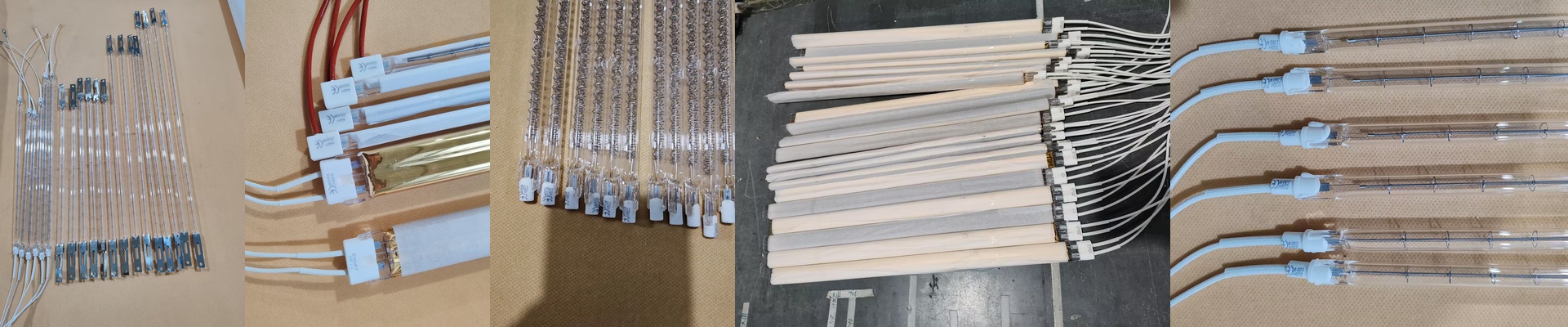
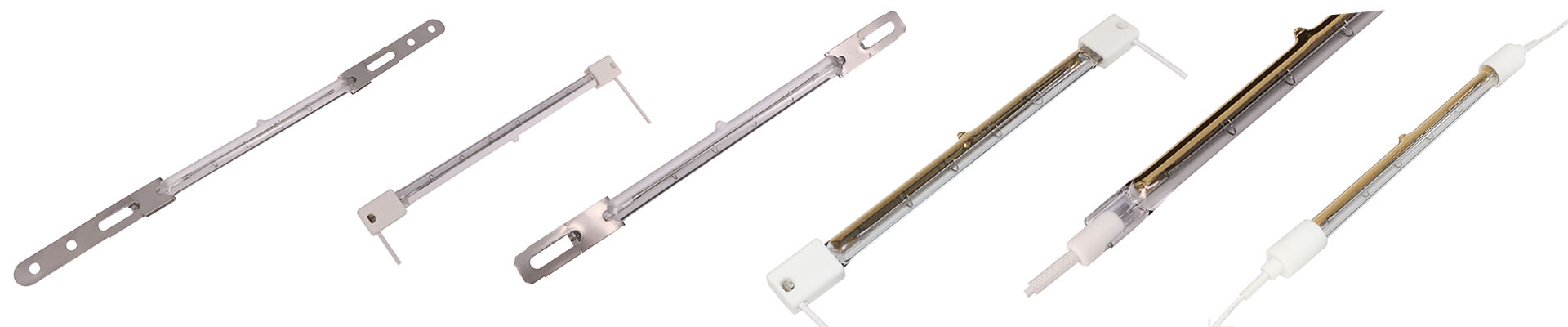
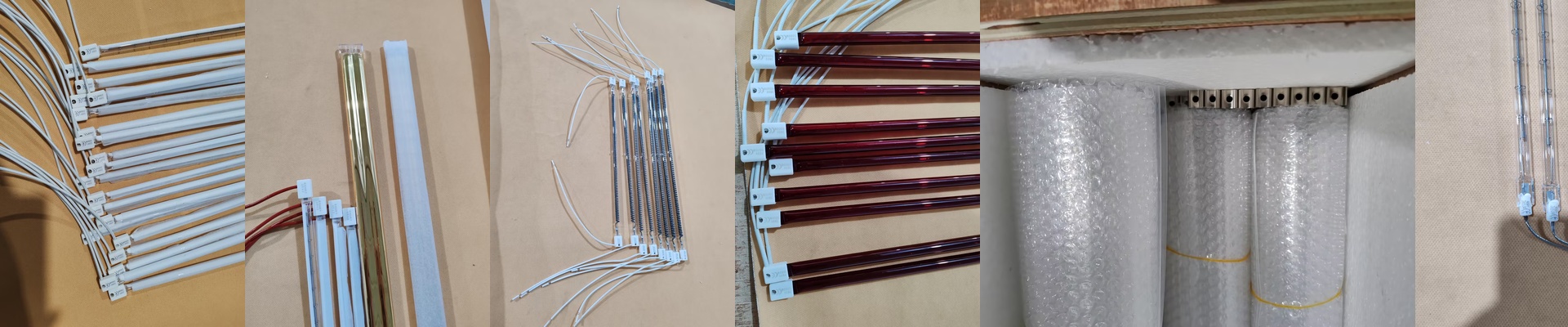
Most big plastic plants are stuck in a frustrating loop. They rely on imported infrared lamps that cost a fortune and take forever to arrive. We recently worked with a facility that had enough. They swapped out those pricey imports for our domestic high-output quartz heaters, and it saved them a million yuan in maintenance costs in a single year. Now, this wasn’t about hunting for the cheapest part on the market. It was just about finding a drop-in replacement that actually handled the thermal load of their PET blowing lines without breaking the bank. Getting the heat right When you’re processing plastic at scale, you need a massive amount of heat to keep those melt temperatures steady. We build our tubes at 400V to cram more wattage into a smaller space. If you’re running a 2500W tube at that voltage, it ramps up fast. Really fast. Which is exactly what you want when you’re pushing for high-speed production. But here’s the thing: that much heat is intense. You’ve got to make sure your cooling fans and vents are up to the task. If they aren’t, you’re looking at warped lamp housings, and nobody wants to deal with that. The secret is in the glass We use high-purity quartz glass because it can handle the shock of heating up and cooling down rapidly without cracking. Inside the tube, there’s a halogen cycle that pushes evaporated tungsten back onto the filament. It keeps the filament from thinning out too quickly. That’s why these lamps don’t just burn out every few weeks. And for the lines that need a specific kind of heat, we add a thin-film coating. It bounces the heat back into the plastic instead of letting it leak away. It’s a simple way to stop wasting energy. No more fighting with the hardware There’s nothing worse than trying to install a part that almost fits. Most of these units use R7s or Sk15 connectors, so we keep our tolerances incredibly tight. You can just wire them up. No fighting the sockets. That matters because a loose fit creates an arc, and an arc will fry your end cap in no time. Since we use standardized industrial connectors, these are a direct swap for those European or Japanese brands. You get the same heat, but you stop paying the “import tax.”