Why Buying Quartz Heaters Direct Actually Makes Sense
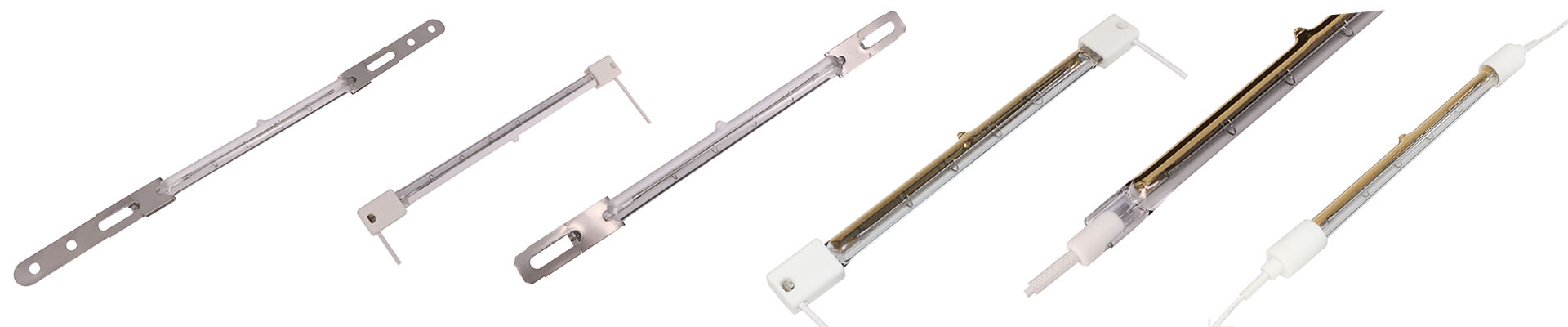
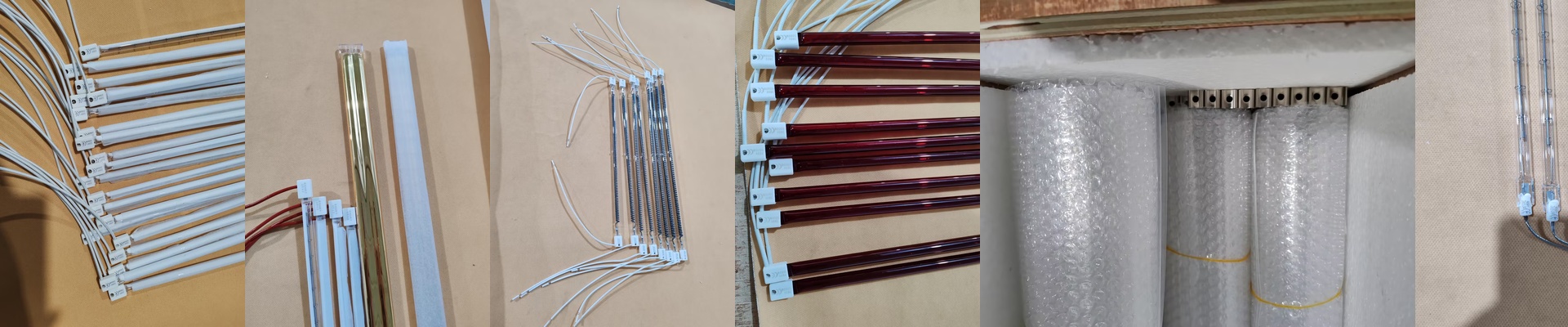
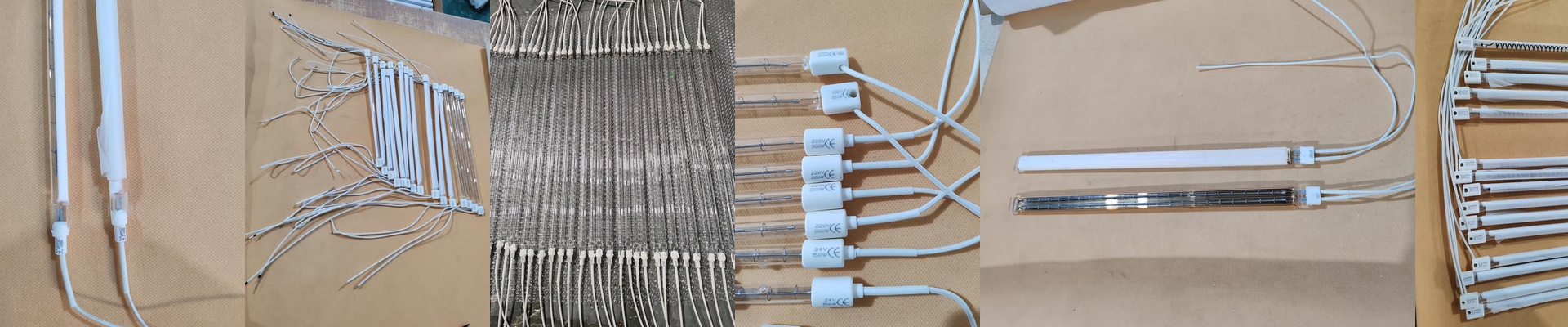
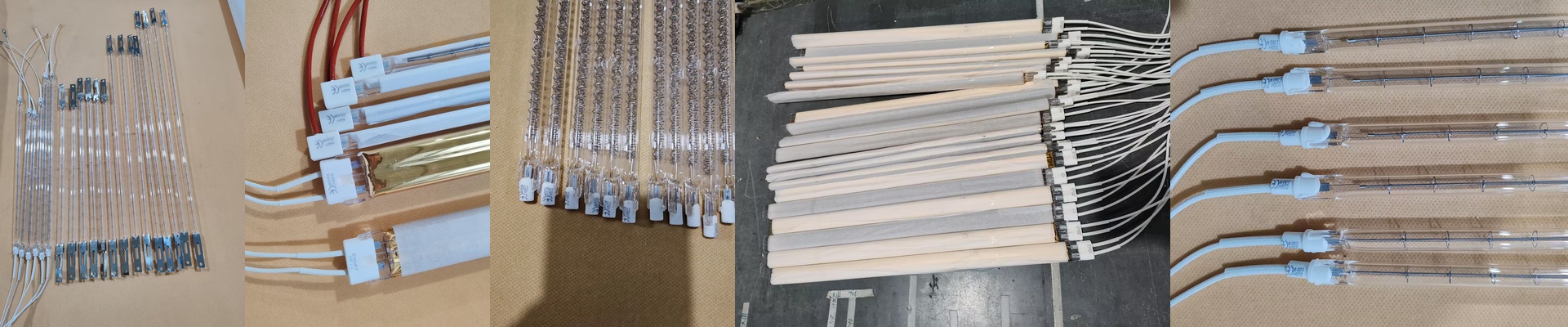
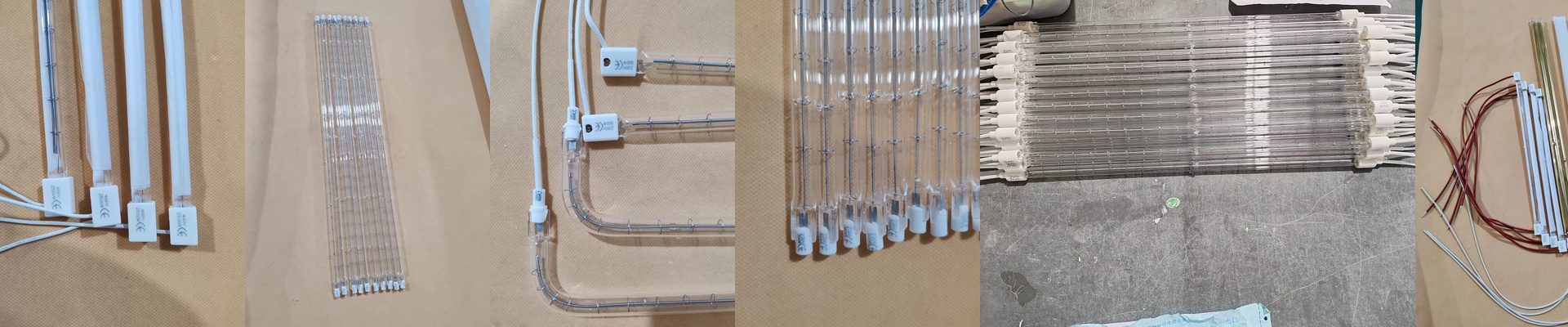
Look, we’ve all seen how the supply chain works. You buy from a trading company, they buy from a distributor, and by the time the heater hits your desk, you’re paying for three different people’s commissions. When you go straight to the factory, those markups vanish. For an engineer, that’s a win. It means you can stop compromising on specs and actually afford the high-end materials your project needs without blowing your budget. Plus, since we’re the ones actually running the machines, we can just tweak the wattage or the tube length to fit your specific setup. No “standard size” headaches. The balance of power and heat Here’s the thing about quartz lamps: it’s all about the relationship between voltage and wattage. If you want a rapid thermal response—heat that hits instantly—you go with high wattage. It’s fast. Really fast. But there’s a catch. If you cram too much power into a short tube, you’re putting a lot of stress on the quartz. If your housing isn’t built to handle that concentrated heat, you’re looking at a premature burnout. It’s a trade-off you have to get right. The nitty-gritty: Materials and Fit We use high-purity fused quartz because it doesn’t warp when things get hot and cold repeatedly. That’s the last thing you want in a production line. And then there’s the connection. Whether you’re using a standard R7s or a specialized Sk15, the fit has to be tight. A loose connection is a disaster waiting to happen—it creates arc points, which lead to voltage drops and eventually fry your socket. We obsess over the machining tolerances so you don’t have to worry about it. Putting them to work These are built for the heavy lifting—PET blowing, curing ovens, industrial drying. The shortwave radiation sinks into the material quickly, which means your cycle times drop. We build these to take a beating in 24/7 environments. Just one tip: double-check your wiring gauge. If your wire is too thin for a high-power array, you’ll lose efficiency to a voltage drop, and you’ll wonder why your heaters aren’t hitting the mark.