Can swapping your IR elements actually cut power bills by 20%?
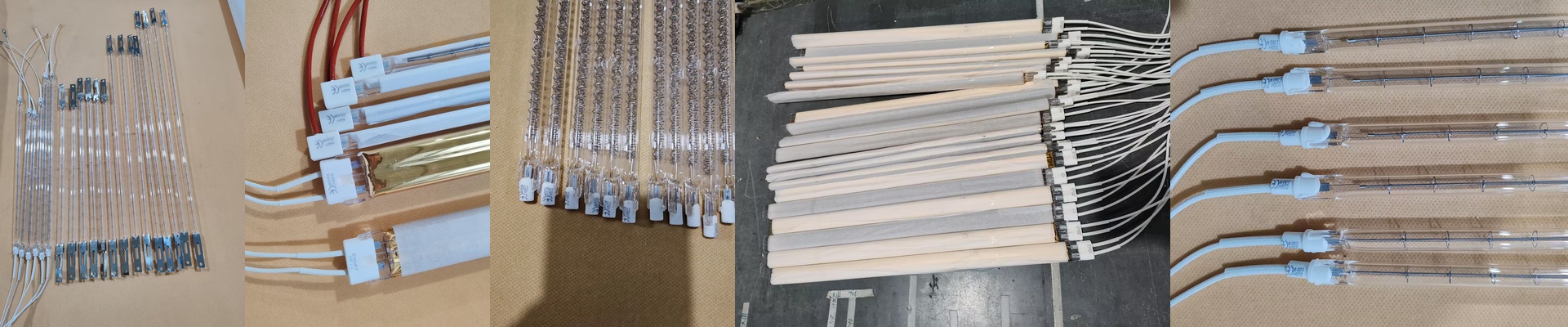
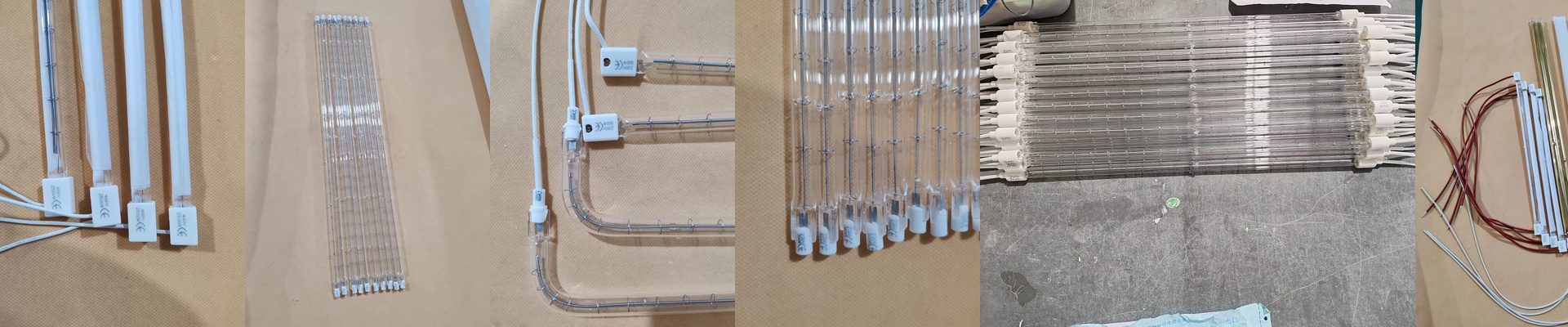
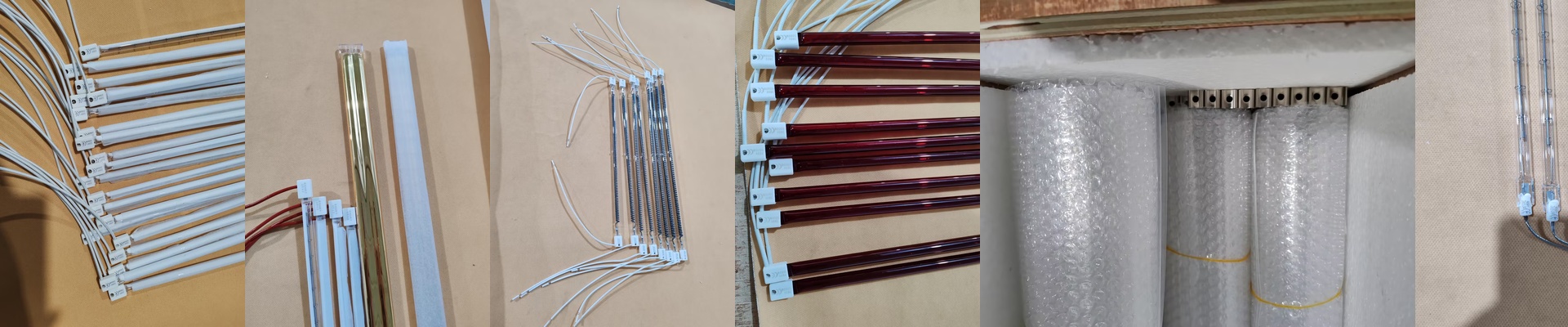
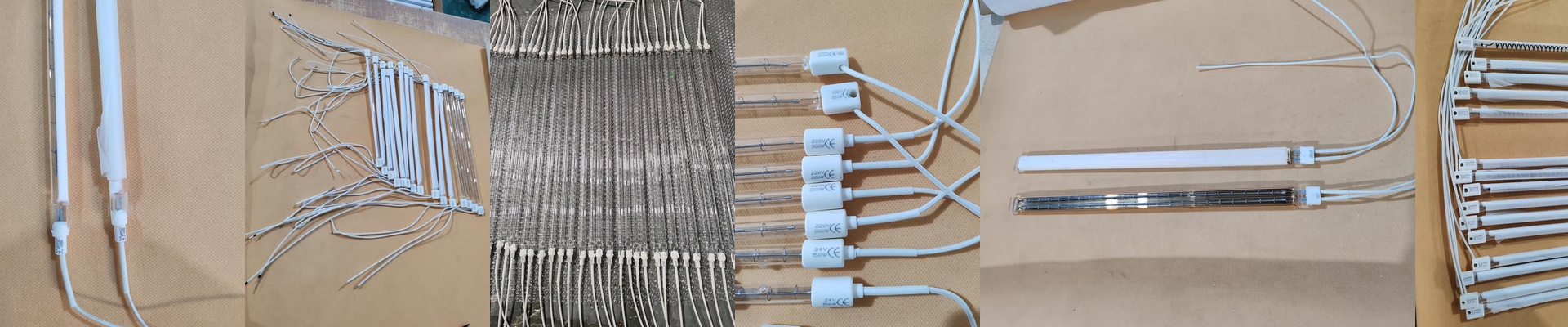
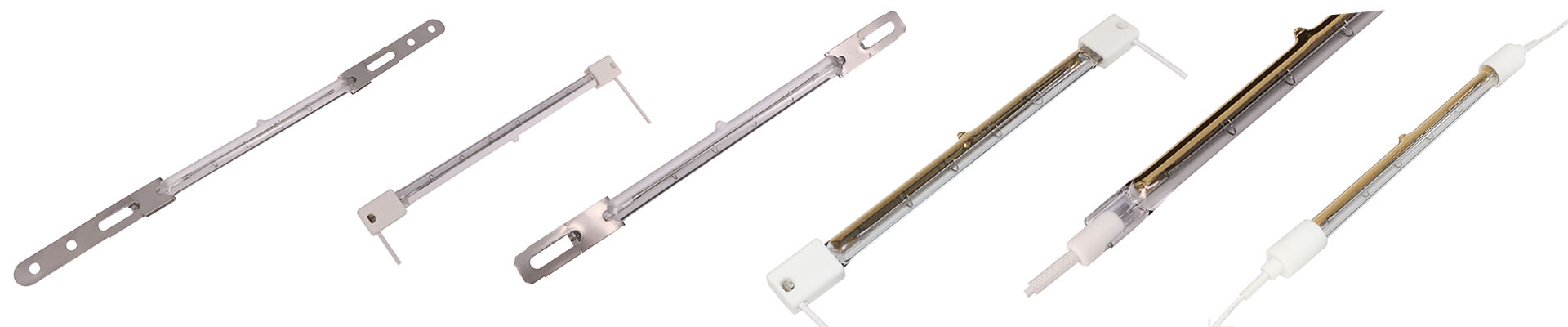
Most old plastic processing ovens are basically energy leaks. Between the convective heat loss and those ancient heating elements, you’re paying for power that never even touches your product. When we talk about retrofitting these tunnels, the big question is always: can just swapping the infrared (IR) lamps actually save 20% on the bill? Here’s the deal. Most legacy tunnels try to heat the air, hoping that the air will eventually heat the plastic. It’s slow and wasteful. We switch those out for high-density quartz IR lamps. Instead of warming the room, these lamps fire radiation directly into the plastic. You aren’t fighting the air anymore. You’re hitting the part. That means you get up to temperature faster and your steady-state power draw drops. But you can’t just grab any lamp off a shelf and expect a miracle. To actually hit that 20% mark, the wavelength has to match the specific polymer you’re running. If it’s off, the energy just bounces off the surface like a stone skipping on water. It never soaks in. We use high-purity quartz glass to make sure the heat actually gets out of the lamp. Then, it’s all about the wattage per centimeter. Get it too high? You’ll scorch the surface. Too low? Your tunnel slows down to a crawl, and your throughput dies. Now, a quick heads-up. This isn’t always a “plug and play” situation. High-wattage quartz lamps pull a lot of current. If you’re boosting the heat density, your old wiring or contactors might not be up for the job. Check your amperage ratings before you flip the switch. Nobody wants to deal with tripped breakers or, worse, melting insulation. If you’re chasing green finance or energy credits, this is probably the fastest win you can get. You get a measurable drop in kWh per unit without the nightmare of tearing out the entire oven shell. It’s a small change that makes a massive difference in the ledger.